
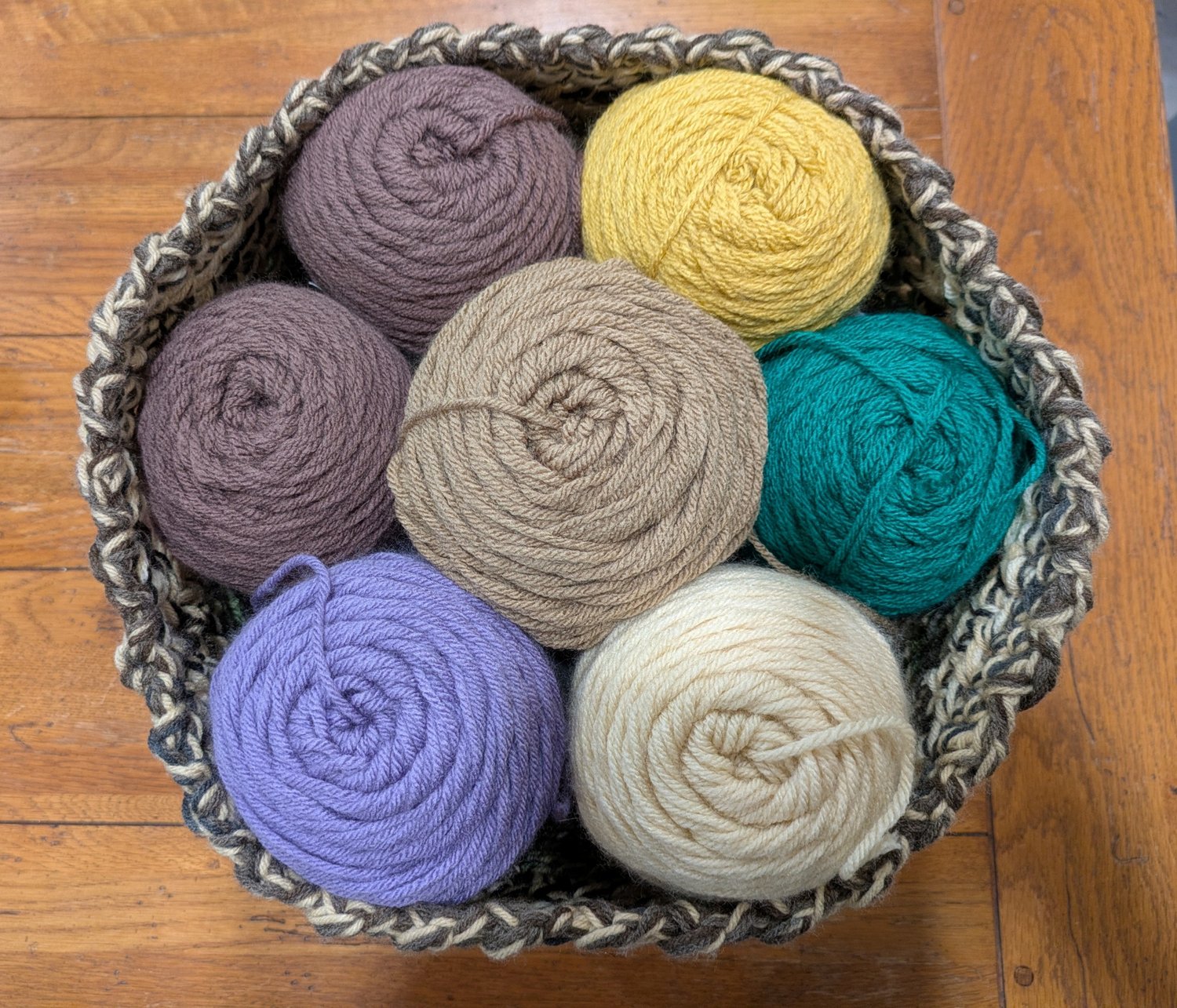
How Do I Choose Yarn for My Next Crochet Project?
Choosing yarn for a crochet project can feel overwhelming. Walk into a craft store or browse online and suddenly you’re staring at hundreds of colors, fibers, weights, textures, and brands. The good news? You do not need to know everything about yarn to make a good choice.
You just need to understand a few key things that affect how your finished project will look, feel, stretch, drape, and wear over time.
👉 Want extra help choosing yarn? Download my printable How to Choose Yarns for Different Projects PDF Reference Guide for quick crochet yarn charts, project ideas, and beginner-friendly yarn suggestions.
How to Choose the Right Yarn for Crochet Projects
Before choosing yarn, think about what you are making and how it will be used.
A hat, market bag, baby blanket, sweater, and amigurumi all need very different yarn characteristics.
Questions to Ask Before Choosing Yarn
- Does this project need stretch?
- Does it need structure?
- Should it feel soft against the skin?
- Does it need to survive frequent washing?
- Should it be lightweight or warm?
- Does stitch definition matter?
The answers will help narrow down your yarn options quickly.
📌 The printable yarn guide includes project-specific yarn suggestions for:
- Apparel
- Accessories
- Home decor
- Toys & amigurumi
Understanding Crochet Yarn Weights
Yarn weight refers to the thickness of the yarn, not how heavy the skein feels.
Different yarn weights create very different crochet fabrics.
Common Crochet Yarn Weights Explained
Lace Weight Yarn (0)
Very thin and lightweight. Often used for delicate shawls and decorative projects.
Fingering or Sock Yarn (1)
Lightweight yarn commonly used for socks, shawls, and lightweight garments.
Sport Weight Yarn (2)
Slightly thicker than fingering. Good for lighter garments and accessories.
DK or Light Worsted Yarn (3)
A popular choice for garments, hats, and beginner-friendly crochet projects.
Worsted Weight Yarn (4)
One of the most common yarn weights for crochet. Great for blankets, hats, scarves, and beginner crochet projects.
Bulky Yarn (5)
Works up quickly and creates thick, warm fabric.
Super Bulky Yarn (6)
Very thick yarn often used for fast crochet projects and cozy accessories.
👉 My printable crochet yarn reference guide includes easy-to-read yarn charts and project pairings to help simplify yarn selection.
Choosing the Best Yarn Fiber for Crochet
Fiber content affects softness, stretch, warmth, durability, drape, and ease of care.
Acrylic Yarn for Crochet
Best For
- Beginner crochet projects
- Blankets
- Hats
- Budget-friendly crochet
Pros
- Affordable
- Easy to wash
- Widely available
- Durable
- Good color variety
Cons
- Can feel less breathable
- Some acrylic yarns squeak or feel stiff
Acrylic is often a great starting point for new crocheters because it is forgiving and easy to care for.
Cotton Yarn for Crochet
Best For
- Dishcloths
- Crochet bags
- Summer tops
- Home decor
Pros
- Excellent stitch definition
- Durable
- Breathable
- Minimal fuzziness
Cons
- Less stretchy
- Can feel hard on hands and wrists
- May feel heavy in large projects
Cotton creates crisp stitches but often has less give than wool or acrylic blends.
Wool Yarn for Crochet
Best For
- Warm garments
- Crochet hats
- Winter accessories
Pros
- Warm
- Stretchy
- Excellent recovery
- Great drape
Cons
- Can be expensive
- Some wool feels scratchy
- May require hand washing
Wool tends to create stretchy, comfortable crochet fabric that holds its shape well.
Blended Yarns for Crochet
Blended yarns combine characteristics from multiple fibers.
Common Yarn Blends
- Cotton/acrylic blends
- Wool/acrylic blends
- Bamboo/cotton blends
Blends are often easier to work with because they balance softness, durability, stretch, and affordability.
Final Thoughts About Choosing Crochet Yarn
The “best” yarn depends entirely on the project, your goals, and your personal preferences.
The more you crochet, the more you’ll notice how fiber, weight, texture, and construction change the finished fabric. Over time, choosing yarn becomes much easier because you begin recognizing what works best for the kinds of projects you love making.
Start simple, pay attention to how different yarns behave, and remember: every project teaches you something new about yarn.
Comments ()