Spelling and vocabulary practice doesn't have to mean memorizing long lists of words.
Children can develop language skills through short, playful activities that encourage them to look at words, recognize patterns, remember vocabulary and think about letters.
Here are some simple ways to make spelling and vocabulary practice more enjoyable.
1. Complete the Missing Letters
One of the simplest word activities is to remove one or more letters from a familiar word and ask the child to complete it.
For example:
C _ T
The child needs to think about the missing letter and identify the word.
Activities like this encourage children to connect letters with familiar words while practicing spelling at the same time.
For more practice, explore Complete the Word, with 280 activities focused on completing missing letters.
2. Find the Correct Spelling
Give children two or more versions of a word and ask them to identify the correctly spelled one.
This turns spelling practice into a small challenge.
Instead of simply being told whether a word is correct, children need to look carefully and make their own decision.
Our Spot the Correct Spelling activity book provides 240 activities designed around this type of practice.
3. Match Words with Pictures
Pictures can make vocabulary practice much easier to understand.
Show a selection of pictures and ask children to match each one with the correct word.
This activity can be especially useful when children are learning new vocabulary because they can connect the written word with something they can recognize visually.
For more vocabulary practice, take a look at Match Words to Pictures, featuring 350 activities.
4. Create Word Categories
Take a group of words and ask children to put them into categories.
For example:
Animals
cat, dog, horse
Food
apple, bread, banana
School
book, pencil, ruler
This encourages children to think about the meaning of words rather than simply reading them.
5. Search for Hidden Words
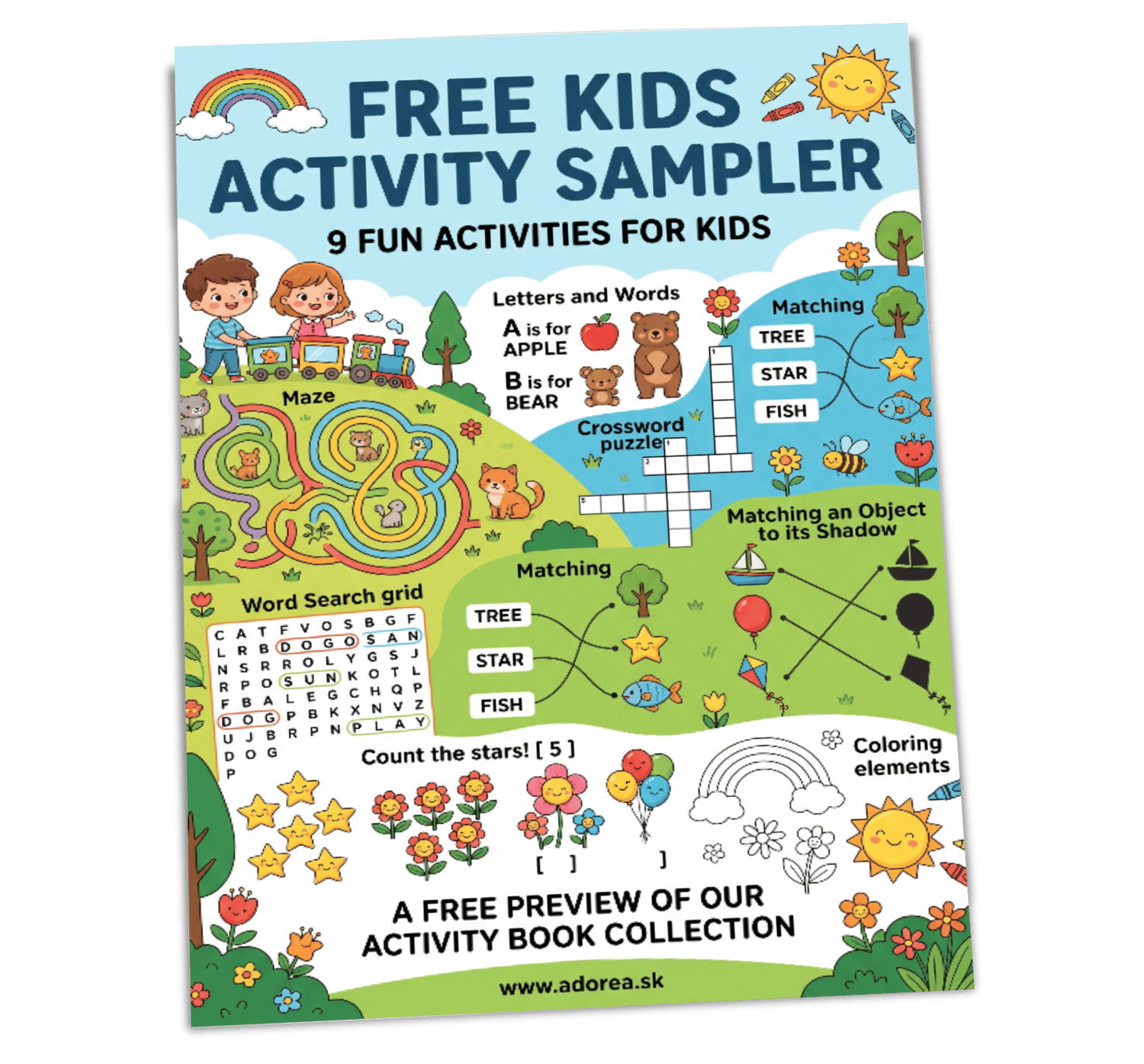
Word searches are another enjoyable way to practice vocabulary.
Children scan a group of letters looking for hidden words. This encourages visual recognition and concentration while giving them repeated exposure to written words.
You can make the activity easier or more challenging depending on the child's ability.
6. Build a Word from Letters
Write individual letters on small cards or pieces of paper.
Give your child a word to build and let them arrange the letters in the correct order.
For younger children, start with short and familiar words.
As their confidence grows, introduce longer words.
7. Use Short Daily Practice
Spelling practice doesn't have to take an hour.
Even 10–15 minutes can become a useful part of a regular routine.
The key is consistency.
A short activity that children enjoy is often easier to repeat than a long exercise that feels like a chore.
8. Let Children Choose the Activity
Giving children some choice can make learning feel more engaging.
One day they might choose a spelling challenge.
Another day they might prefer a word search or matching activity.
The goal is not to make every learning session identical. Variety can help maintain interest.
Make Spelling Practice More Enjoyable
The best spelling activities combine practice with a sense of discovery.
Children should have opportunities to look closely at words, make decisions, correct mistakes and try again.
That's why activity-based learning can be such a useful addition to everyday learning.
Explore ADOREA Word & Spelling Activities
ADOREA offers printable activities created to make vocabulary and spelling practice more enjoyable.
Explore our Popular Activity Books to discover individual word and spelling activities, including Complete the Word, Spot the Correct Spelling and Match Words to Pictures.
For families looking for even more variety, these activities can also be found together with other learning activities in our Brain Boost Bundle. Explore all our Activity Bundles to find the collection that fits your needs.
All activity books are provided as PDF and PNG files, so families can print the pages they want or open them digitally on compatible devices.
Learning new words doesn't have to feel like a test.
Sometimes, a simple activity, a pencil and a little curiosity are all you need to get started.