
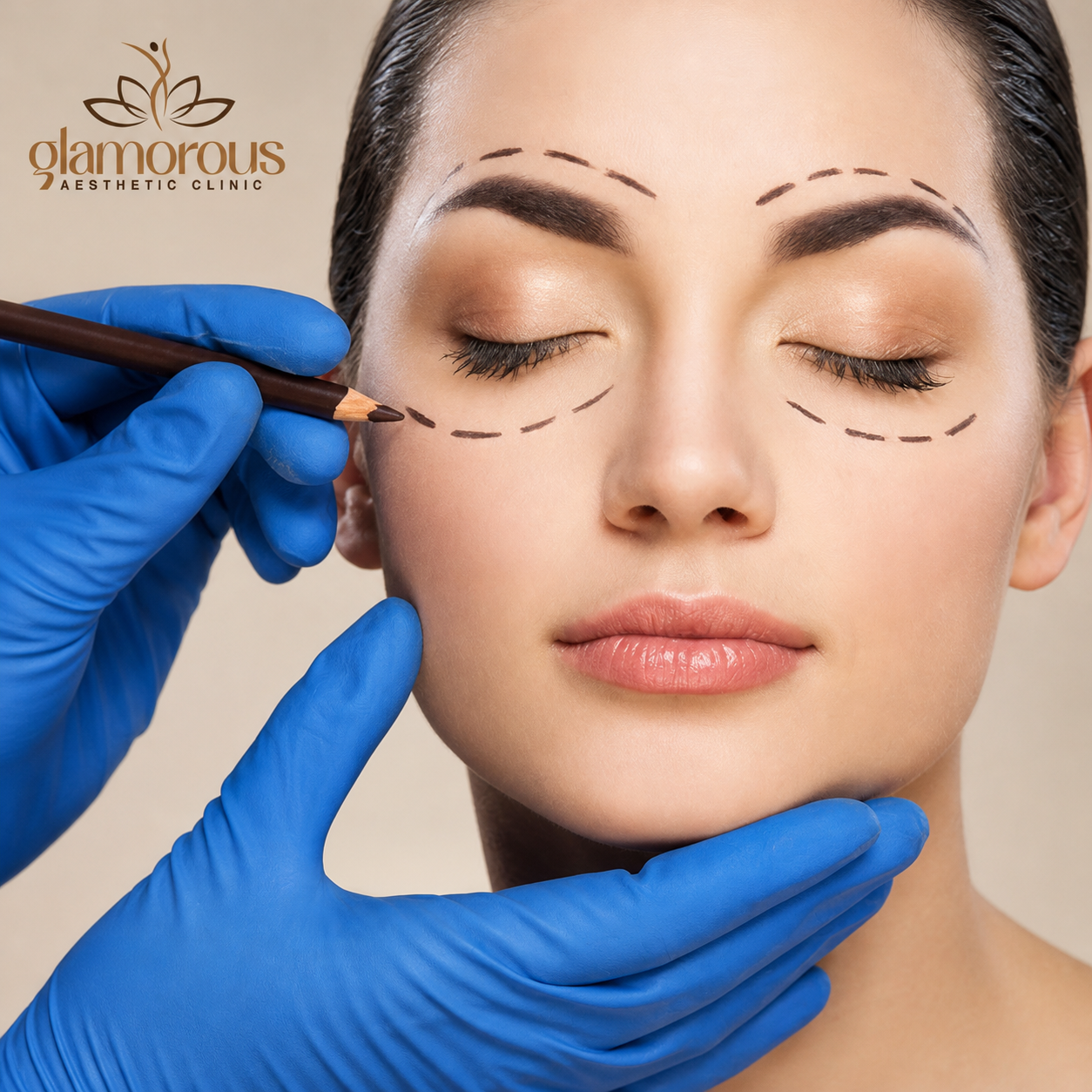
Many people consider eyelid surgery because they feel their eyes look tired, heavy or older than they actually are. The procedure can refresh the area around the eyes, but it works best when the person going into it understands what it can and cannot do. If you are researching Eyelid Surgery in Islamabad , setting realistic expectations before your consultation is one of the most important steps you can take. A clear picture of the likely outcome helps you make a confident decision and feel satisfied with the result afterwards.
What Eyelid Surgery Actually Does?
Eyelid surgery, known medically as blepharoplasty, reshapes the upper eyelids, the lower eyelids or both. In the upper lids, the surgeon typically removes a small amount of excess skin and, where needed, some fat or muscle. This can reduce the hooded look that makes the eyes appear smaller or tired. In the lower lids, the procedure often addresses puffiness caused by fat pads and loose skin that creates a bagged appearance. It is important to understand that the surgery changes the structure of the eyelids, not the whole face. It does not lift the brows, remove deep wrinkles around the eyes or erase dark circles caused by pigmentation. Crow’s feet, for example, are caused by repeated muscle movement and are usually addressed with different treatments. Knowing these limits early prevents disappointment later.
Why Expectations Matter So Much?
Satisfaction after any cosmetic procedure depends heavily on whether the result matches what the person had in mind. Two patients can have the same operation with the same technical success and feel very differently about it, simply because one expected a subtle refresh and the other expected a dramatic transformation.Eyelid surgery is usually a subtle procedure. The goal in most cases is a natural, rested look rather than an obviously altered one. People often hear friends say, “You look well rested,” rather than, “You had surgery.” If you are hoping for a completely different face, this operation alone is unlikely to deliver it.
Understanding Your Own Anatomy
The shape of your eyes, the position of your brows, the thickness of your skin and the amount of fat in your lids all influence what surgery can achieve. If your brows sit low, removing upper lid skin alone may not fully open the eye, and your surgeon may suggest addressing the brow as well. If under-eye darkness comes from the natural colour of your skin or from shadows, removing fat may not change it much.
Cultural and ethnic features also matter. Many people have a naturally different lid crease or fold, and a responsible surgeon will respect your natural features rather than imposing a single standard look. Discuss what you want to preserve as well as what you want to change.
What Recovery Looks Like?
Recovery is another area where expectations should be realistic. Right after surgery, swelling, bruising and tightness around the eyes are common. Your eyes may feel dry or slightly irritated, and your vision may be a little blurry for a short time because of ointment or swelling. Most people see the worst of the swelling in the first few days, with gradual improvement over the following weeks.You will usually be advised to rest, keep your head elevated, use cold compresses and avoid strenuous activity, heavy lifting and rubbing your eyes during the early period. Following these instructions carefully supports healing. Many people return to light routines within a week or two, though full settling of the tissues can take several weeks to a few months.The early appearance is not the final result. Eyes that look swollen or uneven on day three are not a sign that something has gone wrong. Patience is part of the process, and judging the outcome too soon often leads to unnecessary worry.
Possible Risks and Limitations
Every surgical procedure carries risks, and it is better to hear about them in advance. Possible complications include infection, bleeding, dry eyes, temporary blurred vision, asymmetry, scarring and, rarely, difficulty fully closing the eyes. Your surgeon should explain these openly, along with how they are managed.Scars from eyelid surgery are usually placed in natural creases and tend to fade well, but healing varies. Small asymmetries can also occur, since no face is perfectly symmetrical to begin with. Understanding that perfection is not a realistic target helps you appreciate a good natural result.
The effects are long lasting but not permanent. Ageing continues after surgery, and some people notice gradual changes over the years. Lifestyle factors such as sun exposure, smoking and sleep habits can also influence how the area looks over time.
Choosing the Right Surgeon and Clinic
The skill and judgement of the surgeon matter enormously, because the eyelid area is delicate and small differences affect both appearance and function. Look for a surgeon with proper qualifications, solid experience in eyelid procedures and a willingness to explain your options without pressure.
A good clinic will provide clear information about the procedure, anaesthesia, aftercare and follow-up. It should encourage questions and give you time to think rather than rush you into a decision. Ask to see before and after examples, and remember that these show what was possible for other patients, not a promise for you.
Questions Worth Asking Before You Decide
Before committing, consider asking the following. What exactly will be changed, and what will stay the same? Is the upper lid, lower lid or both the right choice for me? Would any additional treatment improve my result? What does recovery involve, and how long should I plan to rest? What are the specific risks in my case? What happens if I am not happy with the result?
Honest answers to these questions show you whether you and your surgeon share the same vision. If something is unclear, ask again until it makes sense.
Conclusion
Eyelid surgery can open up tired-looking eyes, reduce heaviness and give your face a fresher, more rested appearance, but it works best when approached with clear and balanced expectations. It is a refinement, not a complete transformation, and its success depends on your anatomy, your surgeon’s skill and your willingness to follow aftercare guidance and allow time for healing. By asking detailed questions, understanding the risks, accepting that results vary and choosing a qualified professional, you give yourself the best chance of being genuinely pleased with the outcome. If you are considering this procedure, begin with an honest consultation, share your goals openly and make your decision calmly and with full information.
Read More :
https://payrchat.com/blogs/97221/eyelid-surgery-cost-in-pakistan