
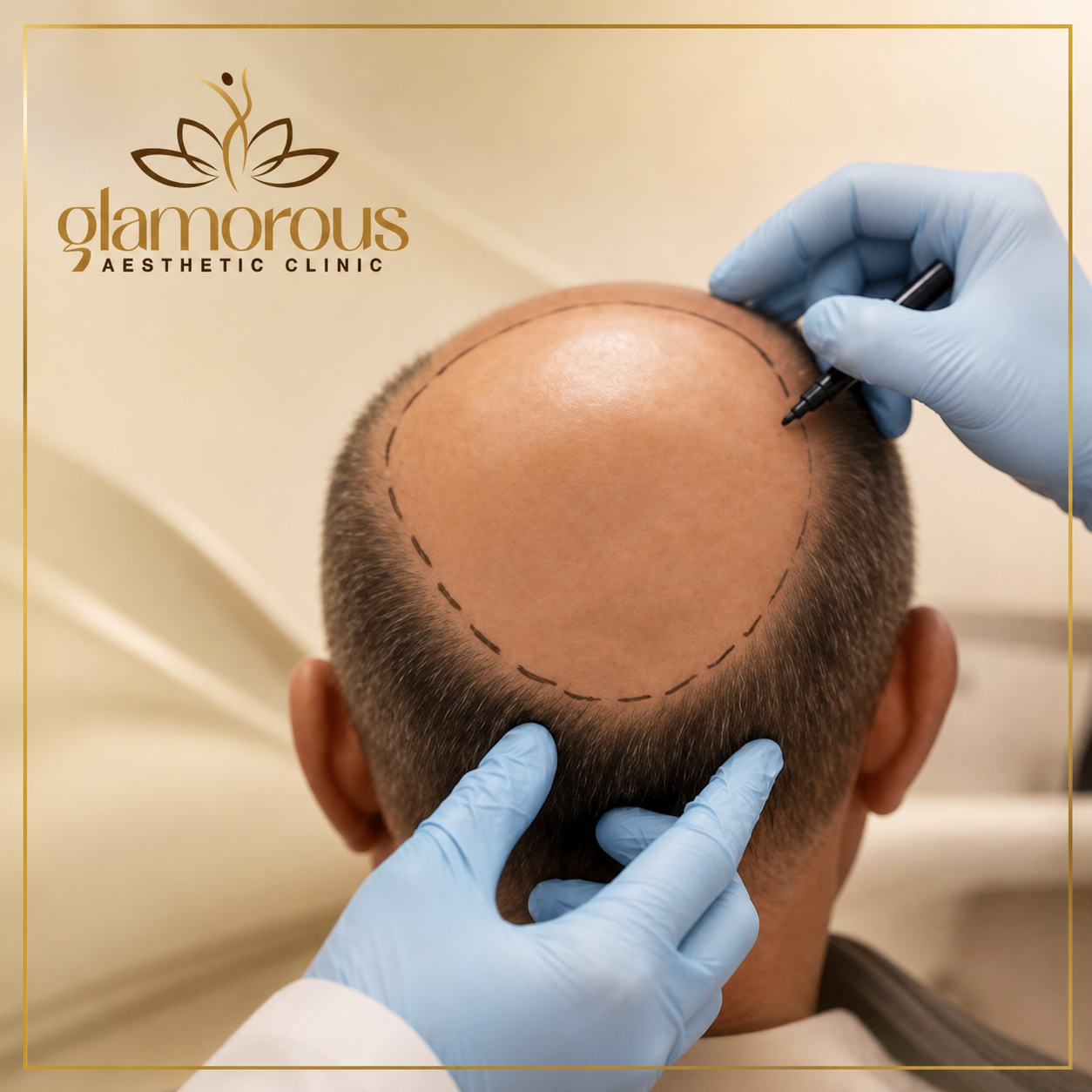
Hair restoration is a medical decision that deserves the same care as any other surgical procedure. The technique matters, but what happens before the first graft is harvested often matters more. A careful assessment determines whether surgery is appropriate, how many grafts are realistic, and how the result will age over the coming decades. Many patients researching FUE Hair Transplant in Islamabad discover that expert evaluation is the single biggest factor separating a natural, lasting outcome from a disappointing one.
What FUE Hair Transplant Means?
Follicular Unit Extraction, commonly called FUE, is a technique in which individual follicular units are removed one at a time from a donor area, usually the back and sides of the scalp. These units, which contain one to four hairs each, are then implanted into thinning or balding areas. A tiny circular punch tool is used for extraction, which leaves small dot-like marks rather than a linear scar.
Donor hair is genetically resistant to the hormone that causes pattern baldness. For this reason, hair moved from the donor zone generally continues to grow in its new location for many years.
Why Expert Assessment Comes First?
Hair loss has many causes, and not all of them respond to surgery. Pattern baldness, stress-related shedding, thyroid disorders, nutritional deficiencies, autoimmune conditions, and scalp diseases can look similar to the untrained eye. Transplanting hair into an area where the underlying cause has not been identified can waste money and lead to poor results.
An expert assessment protects you from this outcome. It confirms the diagnosis, evaluates your donor supply, and builds a plan that respects both your current needs and your future hair loss.
Hairline Design and Facial Harmony
The hairline frames the face, and its design determines whether a transplant looks natural. A hairline set too low or drawn too straight can look artificial and may not suit the patient as they age. A skilled surgeon considers facial proportions, forehead height, temple shape, and age when designing it.
Natural hairlines are slightly irregular and soft at the front, built from fine single-hair grafts. Behind this border, grafts containing two or three hairs add density. This graduated approach creates a result that looks like the hair simply grew that way.
Who Is a Suitable Candidate?
Good candidates typically have stable, healthy donor hair, a confirmed diagnosis of permanent hair loss, and realistic expectations. Men with receding hairlines or crown thinning are common candidates, and many women with localized thinning also benefit, although female hair loss often needs more careful evaluation.Those with very limited donor hair, active scalp infections, uncontrolled medical conditions, or unrealistic goals may need alternative treatment first. Very young patients with unpredictable loss are often advised to begin with medical therapy and revisit surgery later.
Benefits of FUE
FUE offers several advantages for the right patient. It avoids a linear scar, allowing short hairstyles without a visible mark. Recovery is generally comfortable, and many people resume routine activities within a few days. The technique also allows the surgeon to harvest selectively, which can be helpful when planning for future sessions or when body or beard hair is considered as a supplementary source.
When properly planned, the result is permanent in the transplanted hair and looks natural at close range.
Possible Risks and Side Effects
Common temporary effects include redness, swelling, scabbing, tightness, and numbness in the treated areas. Shedding of transplanted hairs occurs a few weeks after surgery and is a normal part of the cycle. Less commonly, patients may experience infection, folliculitis, unnatural direction of growth, or lower than expected graft survival.Poor technique or overharvesting can cause visible thinning in the donor area, which is why experience and restraint are essential.
Recovery and Growth Timeline
During the first week, mild swelling and small scabs are expected. These generally fade within ten to fourteen days when aftercare instructions are followed. Between the second and fourth week, transplanted hairs usually shed, while the follicles remain alive beneath the skin.
New growth typically appears around the third or fourth month and gradually thickens. By six to nine months, most patients see substantial improvement, and final results mature between twelve and eighteen months.
Aftercare That Protects Your Results
Avoid scratching, rubbing, or picking at the scalp. Sleep with your head slightly elevated for the first few nights, and avoid strenuous exercise, swimming, and direct sun exposure until your surgeon approves. Wash the scalp gently as instructed, since early care influences graft survival.
Healthy habits support recovery. Balanced nutrition, good hydration, adequate sleep, and avoiding smoking all contribute to healing and growth.
Alternatives and Supporting Treatments
Not everyone needs surgery. Topical minoxidil and prescribed oral medications can slow loss and improve density in early stages. Platelet-rich plasma therapy uses concentrated growth factors from your own blood to support follicle health. Low-level light therapy and nutritional correction may also help in selected cases.Scalp micropigmentation can create the appearance of density for those who are not surgical candidates, although it does not grow hair.
Choosing the Right Clinic
Look for qualified specialists with specific experience in hair restoration, a hygienic and well-equipped facility, and a clear explanation of the plan. Ask who performs the key steps, how graft numbers were estimated, and what follow-up care is included. Review before-and-after photographs taken under consistent lighting, ideally of patients with hair characteristics similar to yours.
Be cautious about guaranteed density, unusually low prices, or pressure to decide quickly, since quality work requires time, skill, and proper equipment.
Final Thoughts
FUE hair transplantation can deliver a natural, lasting improvement when it is built on accurate diagnosis, careful donor management, and thoughtful design. Expert assessment is the foundation, because it clarifies whether surgery is appropriate, how many grafts are realistic, and how to protect your results as hair loss continues to evolve. Approach the process with realistic expectations, ask detailed questions, and commit to the recovery timeline. With professional guidance and patience, you can achieve a result that looks like your own hair and supports your confidence for years to come.
Read More :