
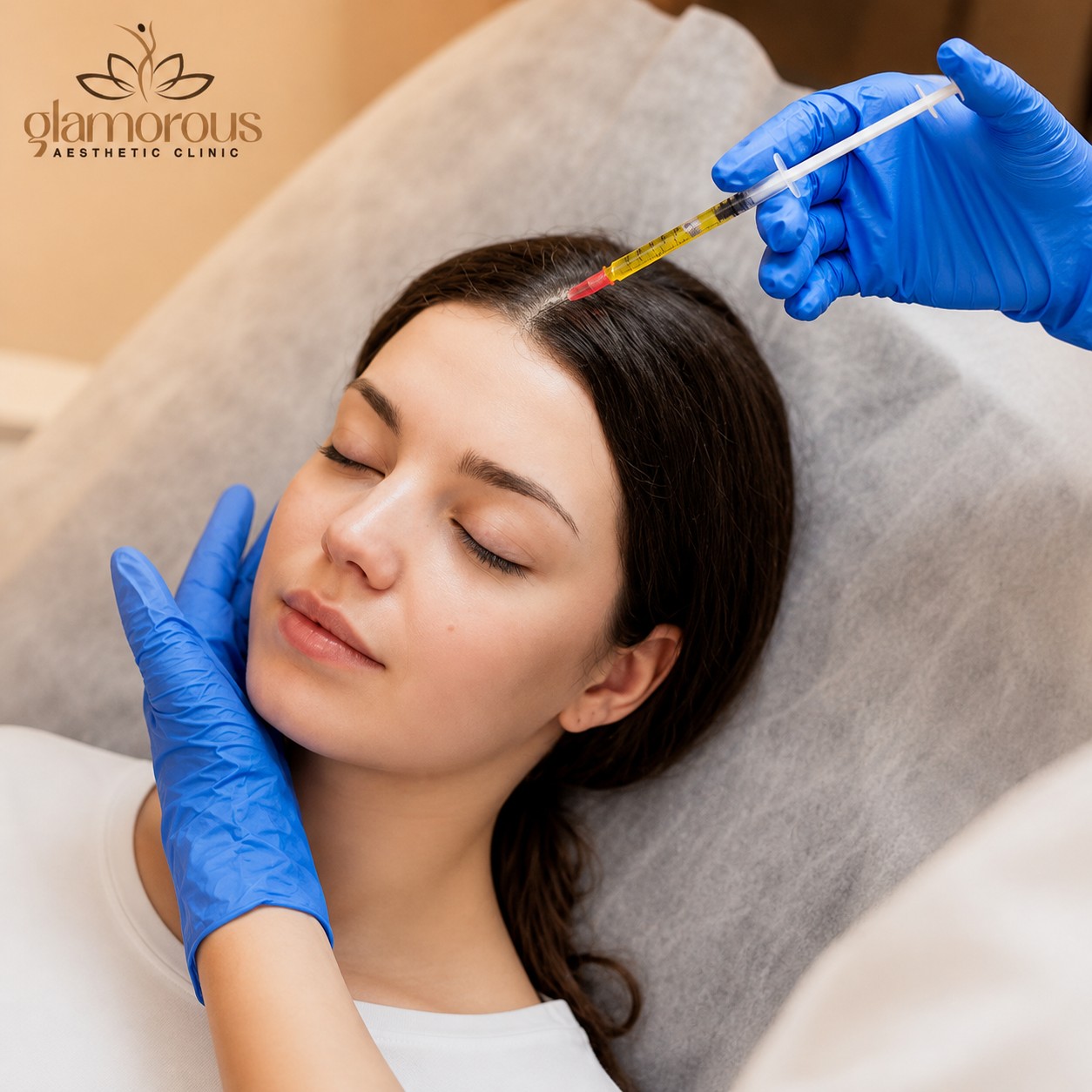
Platelet-rich plasma therapy has become one of the most talked-about options in aesthetic and regenerative care. It uses a concentrated portion of your own blood to support the skin and scalp, which appeals to people who prefer a treatment based on their body’s natural healing processes. Yet popularity does not mean it suits everyone. Before you book a session, it helps to step back and ask whether this approach matches your concerns, your health and your expectations. For anyone considering PRP in Islamabad a careful evaluation beforehand protects both your results and your wellbeing. This guide explains how to weigh the decision thoughtfully.
Understanding What PRP Treatment Is
Platelet-rich plasma therapy begins with a small blood sample drawn from your arm. The sample is placed in a centrifuge that separates its components, producing a plasma layer that is rich in platelets. Platelets contain growth factors that play a part in tissue repair and renewal. The concentrated plasma is then applied to the area being treated, either by microinjections or by being combined with a procedure such as microneedling.Because the material comes from your own body, the risk of allergic reaction to the plasma itself is low. This is one reason the treatment attracts people who want a less synthetic approach. It is important to remember, however, that low risk is not the same as no risk, and that results vary from person to person.
Look at Your Medical History and Medications
A thorough practitioner will ask about chronic illnesses, previous skin treatments, allergies, current medications and supplements. Some medicines, including anti-inflammatory drugs and blood thinners, may interfere with platelet function or increase bruising. Your doctor may advise adjusting certain products before treatment, but you should never stop prescribed medication without medical guidance.
If you are managing a condition such as diabetes, a thyroid disorder or a hormonal imbalance, mention it, since these can influence hair and skin health and may need to be addressed alongside any aesthetic treatment. In some cases of hair thinning, for instance, blood tests may reveal an underlying cause that PRP alone will not fix.
Understand the Potential Benefits
When PRP is a good match, patients often hope for gradual improvements. For skin, these can include a fresher appearance, better tone and texture, and a softer look to fine lines. For hair, the aim is usually to support existing follicles, reduce shedding and improve the thickness of thinning areas over time.
Results tend to develop gradually rather than overnight, and most plans involve more than one session spaced several weeks apart. Maintenance visits may be recommended later to help sustain improvements. Because every body responds differently, no practitioner can guarantee a specific result, and you should be cautious of any clinic that does.
Be Realistic About Limitations
PRP is not a replacement for surgery, and it cannot produce the dramatic tightening of a facelift or the density of a hair transplant. Deep wrinkles, significant skin laxity and advanced scarring generally need other approaches. Hair loss caused by scarring conditions or very long-standing baldness may not respond at all.Cost and time are also part of the evaluation. A course of treatments requires commitment, and you should be comfortable with the schedule and the investment before beginning. If you expect instant, permanent change, PRP may leave you disappointed.
Explore Alternatives Before Deciding
A fair evaluation includes looking at other options. For skin concerns, alternatives may include chemical peels, microneedling without plasma, laser resurfacing, hydrating facials and prescription skincare. For hair thinning, options include topical treatments, oral medications, nutritional support and, in suitable cases, hair transplantation. Sometimes PRP works best in combination with another treatment, and a specialist can explain whether a combined plan makes sense for you.
Comparing options helps you avoid choosing a treatment simply because it is fashionable. The right choice is the one that fits your concern, your budget and your tolerance for downtime.
Preparing Yourself for the Decision
Once you have gathered information, reflect on whether the treatment fits your lifestyle. Consider how much downtime you can accept, whether you can attend follow-up sessions and whether you are comfortable with needles and a blood draw. If you are planning around a major event, remember that redness or bruising could still be visible in the first days.It also helps to remain patient. If you decide to go ahead, follow all pre-treatment and aftercare instructions carefully, protect your skin from strong sun and avoid products that may irritate the area in the early recovery period.
Conclusion
Deciding whether PRP treatment is right for you comes down to honest self-assessment and professional guidance. Define your goal, understand your health background, learn the benefits and limits and compare alternatives before committing. A qualified practitioner who examines you in person, explains the risks clearly and sets realistic expectations is your best ally in making a confident choice. PRP can be a valuable option for many people with suitable concerns, but it works best when chosen deliberately rather than impulsively. If you are considering it, book a consultation, ask detailed questions and let the answers guide your decision.
Read More :
https://medium.com/@glamorousclinic8/is-prp-therapy-a-suitable-option-for-your-hair-or-skin-concerns-0a2cd140664d