
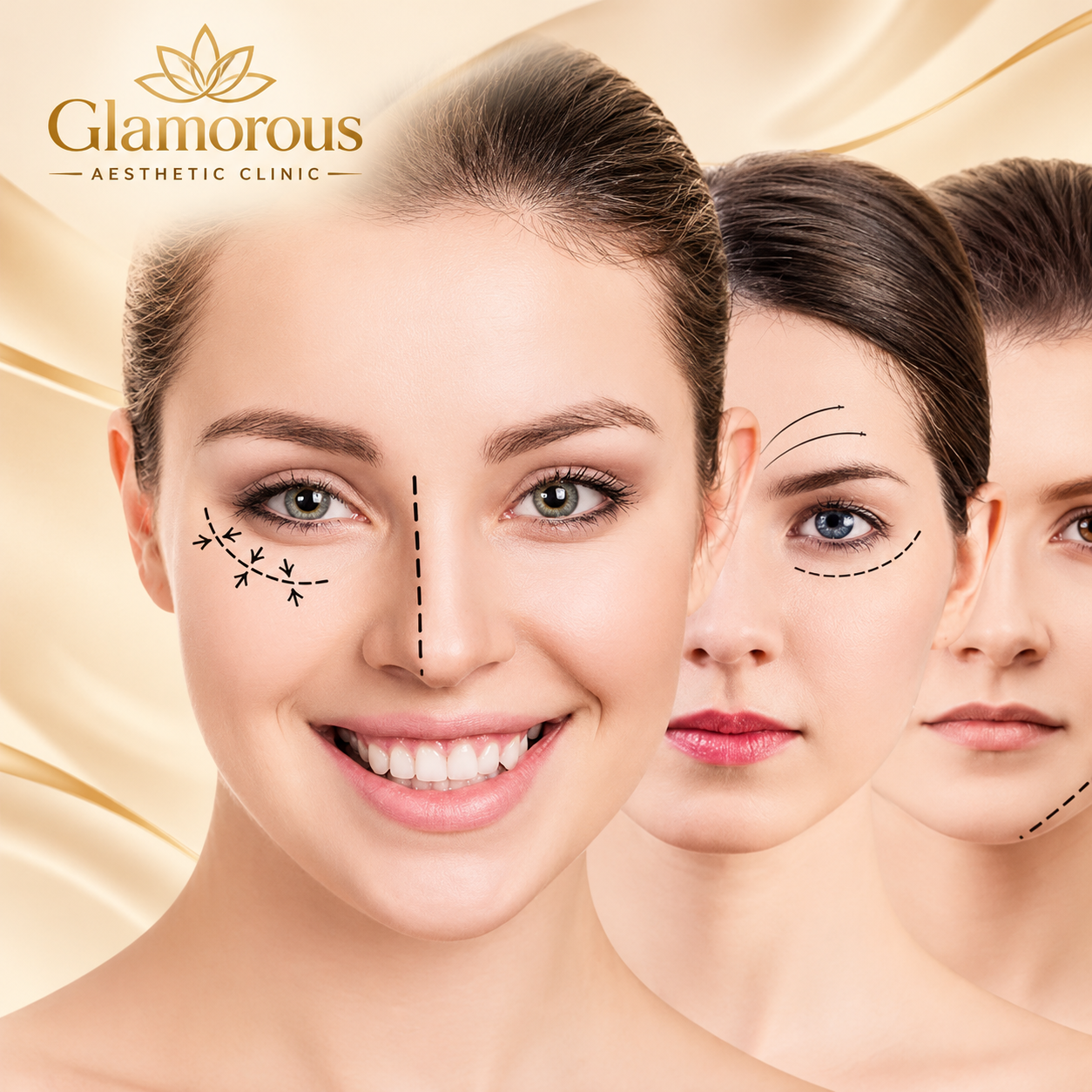
Everyone carries a private picture of how they would like to look. For some it is a smoother jawline, for others a softer nose, a lifted brow, or a more youthful neck. These wishes are personal and rarely match what anyone else wants. Many people exploring Makeover cosmetic surgery in Islamabad are looking for a way to turn that private picture into reality without losing their own identity. The best procedures today are no longer built around one fixed standard of beauty. Instead, they begin with the patient’s goals, face, body, and lifestyle. A good plan listens first, then shapes the surgery around the person, not the other way around.

Starting With a Personal Consultation
The consultation is where individual preferences take shape. The surgeon reviews the patient’s concerns, examines the areas of interest, and discusses medical history. Patients are encouraged to describe their goals in their own words and to bring reference photos that show what appeals to them.
These photos are not meant to be copied exactly. They help the surgeon understand the style, proportion, and level of change the patient has in mind. From there, the surgeon explains what suits the patient’s natural structure and what may not.
Combining Procedures for a Complete Result
A makeover often means more than one procedure. Some patients choose to refine the nose and lift the eyelids together, while others combine body contouring with facial work. Planning these steps as a single program can create a more balanced overall result than treating each concern on its own.
Combined planning also saves time, since recovery periods can overlap. However, not every combination is safe or sensible for every person. The surgeon weighs the total length of surgery, the patient’s health, and the demands of recovery before suggesting a plan..
Adjusting the Degree of Change
One of the greatest strengths of modern cosmetic surgery is control over how much change takes place. A patient who wants a gentle improvement can choose small adjustments, while someone seeking a stronger transformation can plan more extensive work. The level of change is a matter of personal taste.
Surgeons often suggest starting conservatively, since further refinements are possible later if the patient desires them. This step-by-step thinking protects patients from results that feel too sudden or too heavy.
Technology That Helps You Visualize
Digital imaging allows patients to preview possible outcomes before surgery. By adjusting an image on screen, they can see how different options might look and discuss preferences with greater clarity. This makes the conversation more concrete and reduces misunderstanding.
These previews are helpful guides, though they cannot promise exact results. Healing, skin type, and bone structure all influence the final outcome, and an honest surgeon will make this clear.
Setting Realistic Expectations
Satisfaction depends heavily on expectations. Patients who understand what surgery can and cannot do tend to feel happier with their results. A surgeon should explain the likely outcome, the limits imposed by anatomy, and the time needed for healing.
Surgery can refine and enhance, but it cannot create a different person. Clear, open talk about this from the beginning keeps hopes grounded and builds trust.
Safety and Emotional Readiness
Personal preference must always sit alongside safety. A responsible surgeon checks that the patient is physically healthy and emotionally ready. The decision should come from the patient’s own wishes, not from pressure by others or from short-lived trends.
Taking time to think, ask questions, and compare options is part of a wise decision. A good surgeon welcomes this and never rushes the process.
Recovery That Fits Your Life
Recovery plans can also be adapted to personal circumstances. Work schedules, family duties, and upcoming events all influence when a patient chooses to have surgery. Surgeons help plan the timing so that healing happens in comfort and privacy.
Following aftercare instructions closely supports a smooth recovery. Rest, gentle care, and regular follow-up visits all help the results settle well over the following months.
Choosing a Surgeon Who Listens
The most important factor in a personalized result is the surgeon. Patients should look for a qualified professional with solid training, experience across different procedures, and before and after photos that show natural, varied outcomes. A surgeon who delivers the same look to every patient is not truly supporting individual preference.Good communication, honesty, and respect for the patient’s voice are the signs of the right match.
Conclusion
Cosmetic surgery supports individual aesthetic preferences when it begins with the patient rather than a fixed idea of beauty. Through careful consultation, flexible planning, control over the degree of change, and respect for natural identity, a makeover can reflect personal taste while staying safe and realistic. With an experienced surgeon, honest expectations, and patience during recovery, the result can be a look that feels authentic, balanced, and truly your own.