
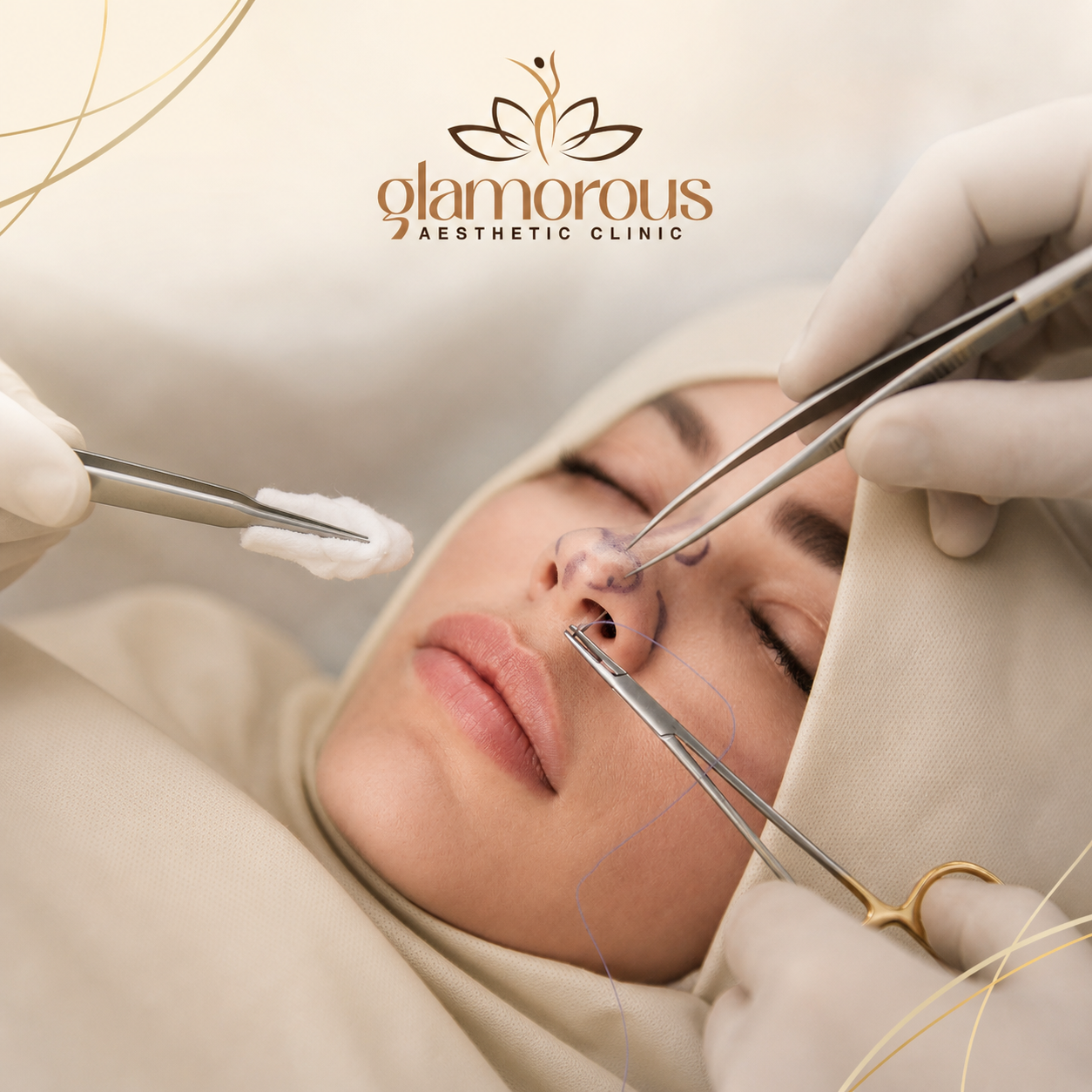
Rhinoplasty changes the structure of the nose, and in most cases those structural changes are intended to be permanent. Bone and cartilage that have been reshaped do not simply return to their original form. Even so, the nose is a living part of the face, and it continues to change with time, as every other feature does. For anyone researching Rhinoplasty in Islamabad understanding the difference between a lasting result and a frozen one is one of the most useful things to learn before booking a consultation.
Permanent Changes in a Changing Face
When a surgeon removes a hump, narrows the bridge, or refines the tip, the underlying framework is altered. That is why rhinoplasty is generally described as a long-lasting procedure, unlike a temporary treatment that fades Permanent does not mean unchanging, however. Faces age. Skin loses elasticity, soft tissue shifts, and cartilage can gradually weaken. A nose that looks excellent at thirty may look slightly different at fifty, in the same way that a natural, unoperated nose would. The surgery does not stop the clock. It resets the starting shape, and time continues from there.
The First Year: Where the Final Shape Emerges
Many patients assume the result is visible once the bandage or splint comes off. In reality, the first year is a long process of settling .Swelling is the main reason. After surgery, the nose swells, and although the most noticeable puffiness fades within weeks, subtle swelling, especially around the tip, can linger for many months. As it resolves, the nose slowly becomes more defined. Thicker skin tends to hold swelling longer than thinner skin, so timelines differ from person to person. For this reason, judging the outcome too early can be misleading. Surgeons usually advise patients to wait about a year before drawing firm conclusions about the final appearance, and some changes may continue to refine beyond that point. Patience during this phase is part of the process.
Factors That Influence How Long Results Last?
No two noses heal in exactly the same way. Several factors affect how well the outcome holds up over the years.
Skin thickness and quality. Thin skin may reveal small irregularities more easily, while thick skin may soften definition. Skin also responds differently to healing and aging.
Cartilage strength. Some people have naturally firm cartilage, while others have softer, more flexible support. A surgeon may reinforce the structure to help it keep its shape.
Surgical technique. The planning and method used can influence stability. Techniques that preserve and support the nose's natural framework are generally intended to promote long-term balance.
Individual healing. The body forms scar tissue in its own way. Some patients heal very smoothly, while others experience more tissue response that may need monitoring.
Age at surgery. A mature, fully developed nose generally gives a more predictable foundation than a nose that is still growing, which is why surgeons usually wait until facial growth is complete.
Lifestyle Habits That Protect Your Results
The surgery is only part of the story. Daily habits during and after recovery can support the outcome.
Following post-operative instructions carefully matters most in the early weeks. This usually includes avoiding pressure on the nose, protecting it from knocks, and attending follow-up visits. Sun protection also helps, since sun exposure can darken healing skin and contribute to long-term skin damage. Not smoking supports healthy circulation and tissue healing, and a balanced lifestyle supports overall skin health. None of these habits guarantee a particular result, but they give the nose the best conditions to heal and settle well.
Can a Rhinoplasty Result Change Over Time?
Yes, gradually, and usually in subtle ways. A few common reasons include:
Natural aging. As skin thins and tissues descend, the tip may appear to drop slightly with the years. This happens to unoperated noses as well.
Scar tissue behavior. Scar tissue can contract or thicken in some patients, which may slightly alter contours.
Trauma. A significant injury to the nose can affect the structure, whether or not surgery was previously performed.
Weight changes. Significant weight gain or loss can alter the soft tissues of the face and change how the nose is perceived.
Most of these changes are small and not noticeable to others. Still, it is worth knowing they exist so that your expectations remain realistic.
When a Revision Might Be Considered
A small proportion of patients consider a second procedure, known as revision rhinoplasty. Reasons may include persistent breathing difficulty, visible asymmetry, or contour concerns that develop during healing. Revision surgery is generally more complex than a first procedure, because scar tissue and altered anatomy are already present. For that reason, revision is typically not considered until the nose has fully healed, which often means waiting at least a year. A careful discussion with an experienced surgeon helps determine whether a further procedure is appropriate, or whether the nose simply needs more time to settle.
Breathing and Function Over the Long Term
Appearance is not the only measure of a successful result. The nose also has to work well. Patients who undergo surgery to correct a deviated septum or other breathing problems often want to know whether the improvement will last. Functional improvements are generally intended to be durable, but they depend on accurate diagnosis and a well-planned technique. Anyone who notices new or recurring breathing problems after healing should raise them with their surgeon rather than waiting, as they can often be assessed and managed.
Questions Worth Asking at Your Consultation
A good consultation gives you room to ask direct questions about durability. Consider asking:
How might my skin type and cartilage affect my long-term result?
What does the surgeon expect the healing timeline to look like for my particular nose?
How are results monitored at follow-up appointments?
What is the clinic's approach if a concern arises after healing?
Honest answers, including honest acknowledgment of uncertainty, are a sign of a trustworthy practice. Be cautious of anyone who promises a perfect outcome that will never change.
Choosing Realistic Expectations
The most satisfied patients are usually those who understand what surgery can and cannot do. Rhinoplasty can refine a nose and bring it into better harmony with the face, and the improvement is meant to last for many years. It cannot prevent aging, guarantee flawless symmetry, or produce an identical result for every person.
Thinking of the result as a lasting improvement rather than a fixed, permanent snapshot helps keep expectations grounded. That mindset also makes it easier to appreciate the nose as it matures naturally with you.
Conclusion
Rhinoplasty is designed to create lasting structural change, and for most patients the improvement endures for many years. The final shape takes about a year to emerge, and the nose will continue to age gently in step with the rest of the face. Skin type, cartilage strength, surgical technique, healing, and lifestyle all play a part in how well a result holds up. If you are exploring Rhinoplasty in Islamabad, the best foundation for a satisfying long-term outcome is a thorough consultation, clear and honest communication with your surgeon, and realistic expectations about the road ahead.
Read More :
https://www.articleted.com/feature/1249424