
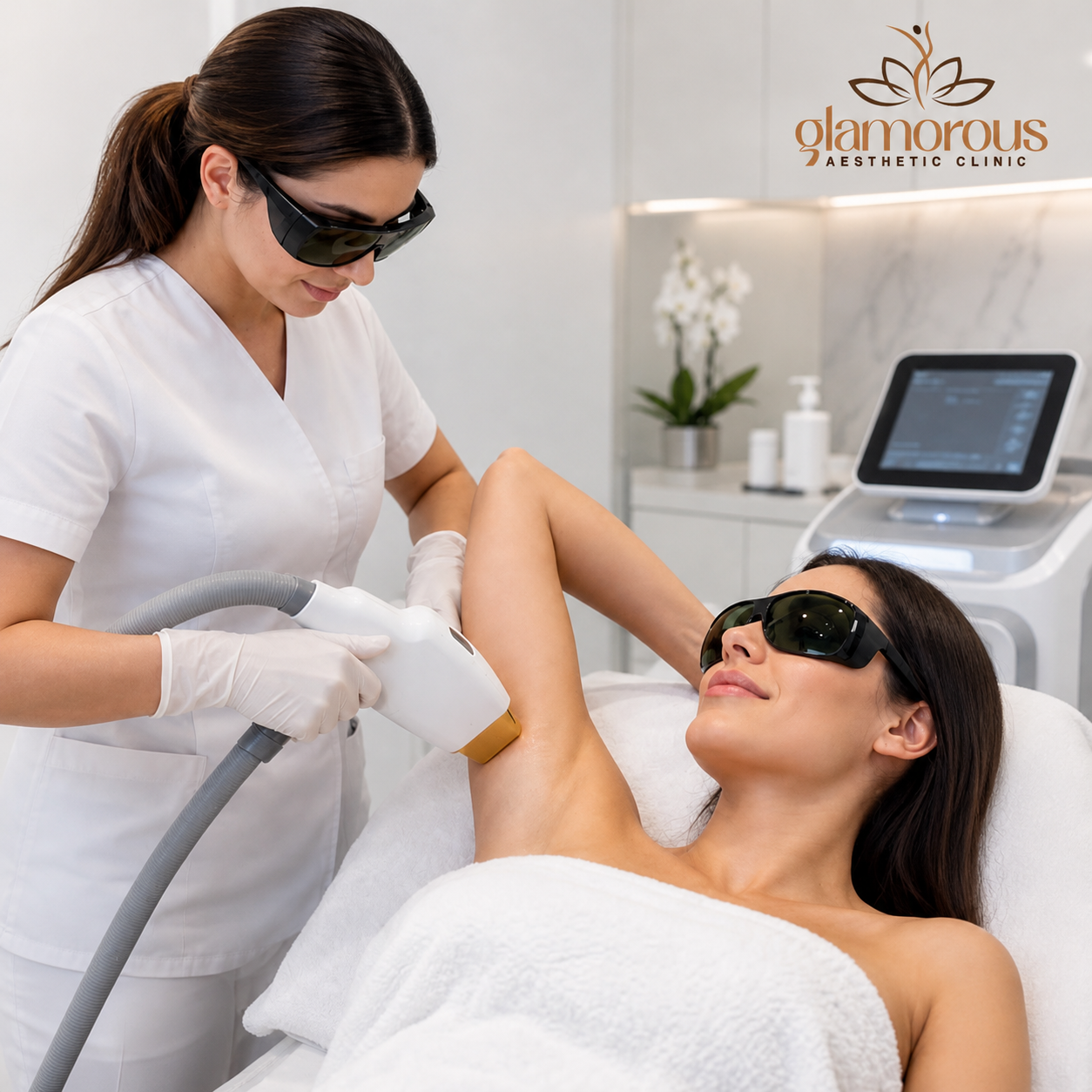
Anyone who has spent years shaving, waxing, or plucking knows how tiresome the cycle can be. Ingrown hairs, irritation, stubble by evening, and the constant expense of salon visits all add up. Laser technology offers a longer-term way to reduce unwanted hair by targeting the pigment inside each follicle. For anyone researching Laser Hair Removal in Islamabad one of the first things to understand is that not all lasers are the same. Different devices use different wavelengths, and choosing the right one for your skin tone and hair type makes a major difference in safety and results.
Why the Type of Laser Matters?
The ideal laser depends on the contrast between hair color and skin color, since the beam targets pigment. Dark hair on light skin is the easiest scenario, because the follicle absorbs far more energy than the skin does. When skin is darker, it contains more melanin too, which increases the risk of burns, pigmentation changes, and blistering if the wrong device or settings are used.
Choosing a laser matched to your skin type protects you from complications and improves the chance of lasting reduction. This is why a professional assessment before treatment is essential rather than optional.
Alexandrite Laser
The alexandrite laser operates at a wavelength of around 755 nanometers and is known for its speed and effectiveness. It covers large areas quickly, making it popular for legs, back, and chest. It works best on lighter to medium skin tones with dark hair, since its shorter wavelength is more strongly absorbed by melanin in the skin as well as the hair.
Because of this, it is generally less suitable for darker complexions. Many modern alexandrite devices include advanced cooling to improve comfort, and treatment sessions tend to be relatively fast.
Diode Laser
The diode laser typically works at wavelengths between 800 and 810 nanometers. It penetrates somewhat deeper than alexandrite, which makes it effective for coarse, dark hair and suitable for a wider range of skin tones, including many medium and olive complexions.
Diode technology has become increasingly common in clinics because it balances efficiency, comfort, and versatility. Newer systems use gentle, gliding motions and strong cooling, which may reduce discomfort compared with older devices. Results are usually good with a series of sessions, and it remains one of the most widely used options worldwide.
Nd:YAG Laser
The Nd:YAG laser uses a longer wavelength of 1064 nanometers, which bypasses much of the melanin in the upper skin layers and reaches deeper follicles. This characteristic makes it the preferred choice for darker skin tones, as it lowers the risk of pigment-related side effects.
The trade-off is that it can be less effective on fine or light-colored hair, and some people find it slightly more uncomfortable. It also tends to require more sessions for comparable reduction. Even so, for deeper skin tones it is often the safest and most reliable laser option.
Ruby Laser
The ruby laser was one of the earliest lasers used for hair removal, operating at roughly 694 nanometers. It is strongly absorbed by melanin, so it works only on very fair skin with dark hair. Because it treats more slowly and is less suitable for tanned or darker skin, it is rarely used today. Newer technologies have largely replaced it for most patients.
Intense Pulsed Light Devices
Intense pulsed light, often called IPL, is not technically a laser. Instead of a single focused wavelength, it emits a broad spectrum of light that is filtered to target pigment. IPL devices are commonly used in beauty salons and sold for home use, partly because they are less expensive.
However, IPL is generally less precise and often less effective than true laser systems, and may require more sessions with more modest results. Used improperly, it can also cause burns or pigmentation problems, particularly on darker skin. Professional laser systems operated by trained practitioners usually deliver better, more predictable outcomes.,
Possible Risks and Side Effects
Most side effects are mild and temporary, including redness, swelling, tingling, and a sensation similar to a rubber band snapping against the skin. Less common effects include blistering, burns, crusting, and changes in skin pigmentation, which are more likely when the wrong laser, incorrect settings, or inexperienced operators are involved.Tanned skin increases risk, so avoid sun exposure before and after treatment. Certain medications, skin conditions, and a history of cold sores in the treated area should be discussed with your practitioner beforehand.
Preparing for Your Sessions
Shave the area a day before treatment, but do not wax, pluck, or thread for several weeks beforehand, since the follicle root must remain intact for the laser to target it. Avoid tanning, self-tanners, and strong exfoliants before your appointment. Arrive with clean skin free of creams, perfumes, or deodorant on the treatment area.
Aftercare Tips
After treatment, soothe the skin with cool compresses and gentle moisturizers if recommended. Avoid hot showers, saunas, vigorous exercise, and harsh skin products for a day or two. Use sunscreen daily on treated areas that are exposed, and avoid picking or scratching. Shedding of treated hairs over the following weeks is normal and does not mean new growth.
Choosing a Professional Clinic
Look for trained practitioners, modern FDA-style approved or reputable devices, clean facilities, and a proper consultation. Ask which laser will be used and why it suits your skin. Be cautious of unusually low prices, pressure to buy large packages, or promises of guaranteed permanent results, as quality equipment and expertise carry real costs.
Conclusion
Several lasers are used for hair removal, including alexandrite, diode, Nd:YAG, and the older ruby laser, along with IPL devices that work differently. Each has strengths and limitations, and the best choice depends on your skin tone, hair color, and hair thickness. A professional assessment, realistic expectations, and proper aftercare all contribute to safe, lasting results. Instead of chasing the cheapest option or the newest gadget, prioritize a qualified practitioner and technology matched to your needs. With the right laser and consistent treatment, you can enjoy smoother skin and a far less demanding routine.