
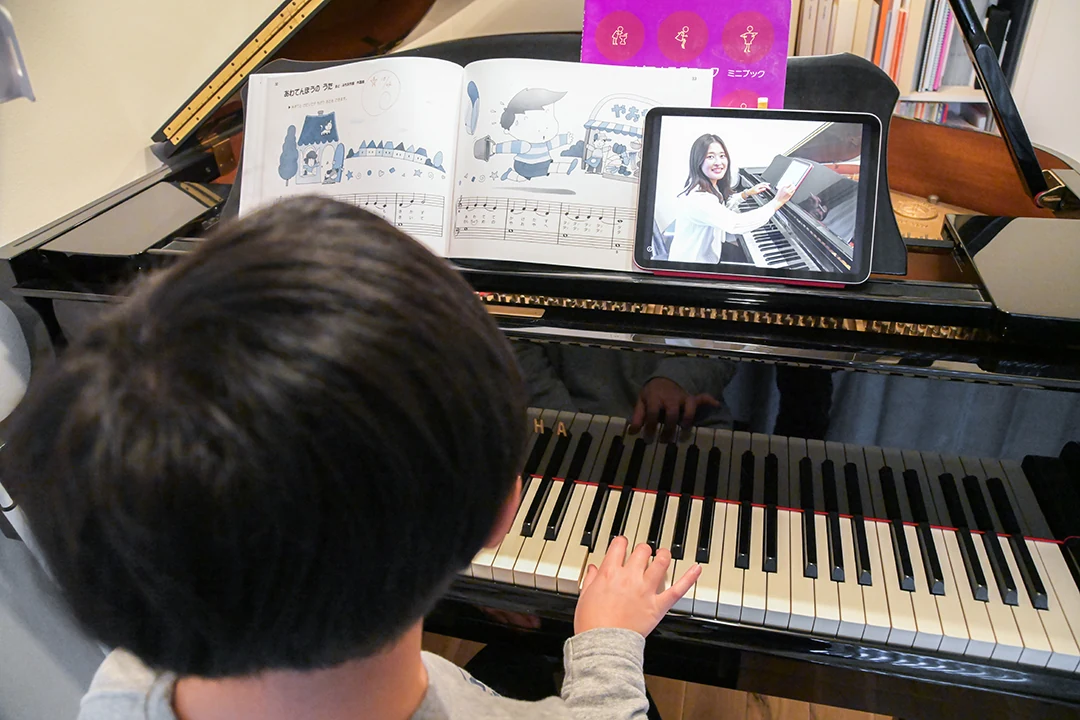
Learning the piano has become more accessible than ever. You no longer need to travel to a music school or arrange every lesson around a teacher’s schedule. With online piano lessons, beginners and experienced players can build their skills from home while choosing a learning style that fits their goals, routine, and budget.
For many learners, the biggest question is not whether online lessons work, but how to make them effective. The right approach, ピアノ オンラインレッスン consistent practice, and a suitable learning platform can make the difference between simply watching lessons and actually improving as a musician.
How Online Piano Lessons Work
Online piano lessons can take several forms. Some programs offer live video sessions with an instructor, allowing students to receive real-time feedback on technique, timing, and posture. Others provide recorded lessons that students can follow whenever they have time.
Live lessons often feel closer to traditional piano classes because the teacher can correct mistakes immediately. A student who is pressing keys incorrectly, using poor hand position, or struggling with rhythm can receive guidance before those habits become difficult to change.
Recorded courses offer more flexibility. They allow learners to pause difficult sections, repeat exercises, and practice at their own speed. This format can be helpful for people with busy schedules who cannot commit to a fixed weekly appointment.
Why Many Students Choose Online Piano Learning
One of the biggest advantages of learning piano online is convenience. A student can practice in their own space without spending time commuting. This is especially useful for adults balancing work, family responsibilities, or other commitments.
Online lessons also give learners access to a wider range of teaching styles. Someone interested in classical piano may look for a different instructor than someone who wants to play pop songs, film music, or create their own compositions.
Another benefit is the ability to review material repeatedly. In a traditional lesson, students may forget parts of a conversation or demonstration after leaving the classroom. Online resources make it easier to revisit explanations and strengthen understanding.
What Beginners Should Expect When Starting Piano Online
A new piano student should begin with the fundamentals rather than immediately trying to play complex songs. Good lessons usually introduce basic concepts such as reading sheet music, understanding rhythm, learning scales, and developing proper finger movement.
A common mistake among beginners is focusing only on learning songs. Playing familiar melodies can be motivating, but technique is what allows a player to improve over time. Simple exercises that develop coordination and accuracy are an important part of the learning process.
Students should also expect gradual progress. Piano skills develop through regular practice, and short, focused sessions are often more productive than occasional long practice periods.
Choosing the Right Online Piano Lessons
The best learning option depends on what a student wants to achieve. Someone learning for personal enjoyment may prefer a relaxed program focused on popular songs and basic skills. A student preparing for exams or serious musical study may need structured lessons with detailed feedback.
Before choosing a course, it helps to consider the teaching approach, lesson format, difficulty level, and whether the material matches personal goals. A good program should explain concepts clearly instead of simply showing which keys to press.
It is also worth checking whether lessons include areas beyond playing notes, such as music theory, ear training, and practice guidance. These skills help students become more independent musicians.
Making Progress With Online Piano Practice
Consistency is one of the most important factors in learning piano. Setting aside regular practice time helps build muscle memory and keeps new concepts fresh.
A productive practice session usually has a clear purpose. Instead of playing randomly, students can focus on a specific challenge, such as improving a difficult passage, practicing a rhythm pattern, or strengthening finger control.
Recording practice sessions can also be useful. Listening back allows students to notice timing issues or mistakes they may not recognize while playing.
Is Learning Piano Online Right for You?
Online piano lessons can be a practical choice for anyone who values flexibility and personalized learning. They provide access to instruction without many of the limitations of traditional classes, while still requiring commitment and regular effort from the student.
For beginners, the most important step is choosing a learning method that feels manageable and enjoyable. With patience, consistent practice, and the right guidance, online piano learning can become a rewarding way to develop musical skills from anywhere.