

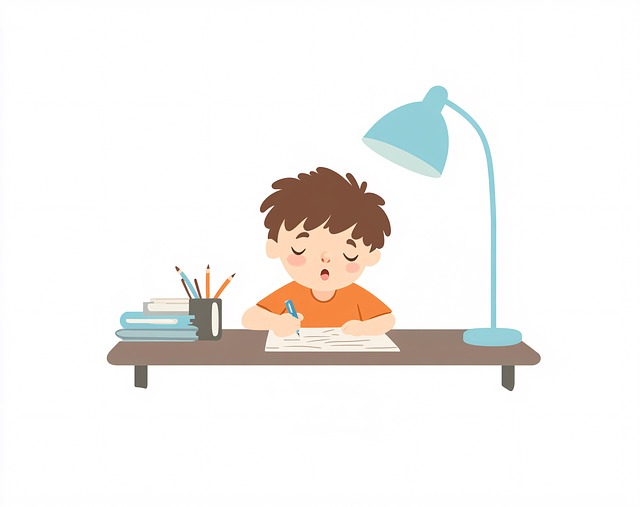
Coloring, drawing, and creative play are often seen as simple activities meant to keep children busy. In reality, they are powerful learning tools that support a child’s cognitive, emotional, and social development. Through creative expression, children learn about themselves, the world around them, and how to communicate long before they master words.
🎨 Creativity as a Learning Tool
When a child colors or draws, they are making choices—selecting colors, shapes, and ideas. These small decisions help develop problem-solving skills and independent thinking. Creative play encourages children to explore possibilities, experiment freely, and learn that there is more than one right answer.
✋ Developing Fine Motor Skills
Holding crayons, pencils, or paintbrushes strengthens the small muscles in a child’s hands and fingers. These fine motor skills are essential for later tasks such as writing, cutting, and self-care activities. Repeated creative activities improve hand-eye coordination and control in a natural, enjoyable way.
🧠 Supporting Brain Development
Creative activities stimulate multiple areas of the brain at once. While drawing, children use memory, focus, imagination, and emotional awareness. Research shows that learning through play helps children retain information more effectively than passive learning methods, especially in early childhood.
💬 Emotional Expression Without Words
Not all children can easily explain how they feel. Through art and creative play, they express emotions they may not yet have the words for. A drawing can reflect happiness, curiosity, fear, or frustration. When adults observe and acknowledge these expressions, children feel understood and emotionally supported.
🤝 Building Confidence and Self-Esteem
Completing a drawing or creating something from imagination gives children a sense of achievement. When their efforts are appreciated without judgment, children develop confidence in their abilities and ideas. This confidence supports resilience and a willingness to try new challenges.
🌱 The Role of Parents and Educators
Adults play an important role by providing time, space, and simple materials for creative play. Allowing children to lead the activity—without correcting or directing—encourages independence and self-expression. The goal is not perfection, but exploration and enjoyment.
Conclusion
Coloring, drawing, and creative play are essential parts of childhood learning. They support brain development, emotional well-being, and lifelong skills such as creativity, focus, and confidence. By valuing and encouraging these activities, parents and educators help children build a strong foundation for future learning and personal growth.