
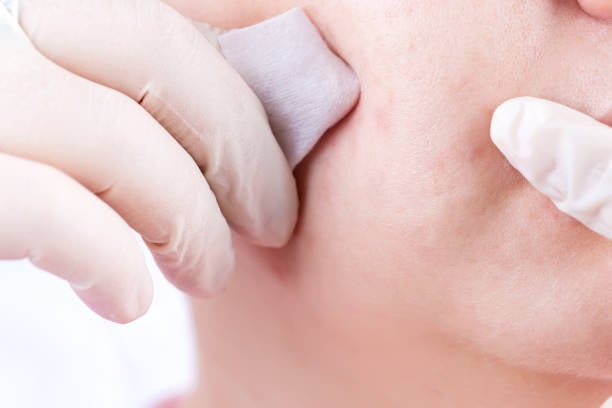
Buccal fat removal is a cosmetic procedure designed to create a more defined facial appearance by reducing the fat pads located in the lower cheeks. For people who feel their cheeks look naturally full or rounded, this treatment may offer a way to achieve a more sculpted facial contour. Understanding the procedure, its suitability, and the recovery process can help you make an informed decision about your aesthetic goals.
When exploring facial contouring options, many people also search for buccal fat removal cost near me to understand the treatment options available in their area. However, choosing a clinic should involve more than convenience alone. It is important to understand the procedure, potential risks, expected results, and the qualifications of the healthcare professional performing it before deciding whether buccal fat removal is right for you.
What Is Buccal Fat Removal?
Buccal fat removal is a cosmetic surgical procedure that reduces a portion of the buccal fat pads, which are located deep within the cheeks. These fat pads contribute to the natural fullness of the mid and lower face. By carefully removing some of this fat, a qualified surgeon may help create a more defined transition between the cheeks and jawline.
The procedure is generally intended for individuals whose cheek fullness is partly caused by prominent buccal fat pads. It does not remove all facial fat or address every cause of a round face. Facial structure, genetics, skin quality, and overall body composition can all influence the appearance of the cheeks.
Who Is a Suitable Candidate for Buccal Fat Removal?
Understanding Your Facial Structure
Suitable candidates are generally healthy adults who have persistent cheek fullness and realistic expectations about what surgery can achieve. A consultation helps determine whether buccal fat pads contribute significantly to the appearance of the face and whether reducing them is likely to produce a balanced result.
When the Procedure May Not Be Appropriate
Buccal fat removal may not be suitable for people with naturally narrow faces, limited cheek volume, or a tendency to develop facial hollowing with age. Removing too much fat can make the face appear gaunt over time. Individuals with certain medical conditions or healing concerns may also require additional assessment before considering surgery.
How Does the Treatment Journey Work?
Initial Consultation and Facial Assessment
The treatment journey begins with a detailed consultation. A qualified healthcare professional evaluates your facial proportions, medical history, skin condition, and aesthetic goals. You can discuss your concerns, ask questions about the procedure, and learn whether alternative treatments may better suit your needs.
This assessment is essential because facial contouring should preserve natural proportions rather than simply remove as much fat as possible.
Understanding the Surgical Procedure
Buccal fat removal is commonly performed through a small incision inside the mouth, allowing the surgeon to access the buccal fat pad without creating an external facial scar. The surgeon removes an appropriate amount of fat and closes the incision with sutures.
The procedure is often performed using local anesthesia, although the anesthesia approach depends on the individual case and clinical plan. Your healthcare professional will explain the process, preparation requirements, and potential complications before treatment.
Recovery and Aftercare Following Buccal Fat Removal
What to Expect During Recovery
Mild swelling, bruising, tenderness, and discomfort can occur after surgery. Swelling may initially make it difficult to appreciate the final facial contour. As healing progresses over the following weeks and months, the results become easier to assess.
Recovery varies between individuals, so it is important to follow your surgeon's instructions rather than compare your progress with someone else's experience.
Essential Aftercare Tips
Maintaining good oral hygiene is particularly important because the incision is inside the mouth. Follow instructions regarding mouth rinses, prescribed medication, diet, and activity restrictions. Soft foods may be recommended during the early recovery period, and strenuous exercise should be avoided until your surgeon confirms that it is appropriate to resume.
Contact your healthcare provider promptly if you experience increasing pain, worsening swelling, fever, pus, or other signs of infection.
What Results Can You Expect?
Buccal fat removal aims to create a more contoured cheek appearance while maintaining natural facial balance. However, results differ according to individual anatomy and the amount of fat removed. The procedure is not a substitute for weight management, and it cannot guarantee a particular facial shape.
Because facial fat naturally decreases with age, conservative treatment planning is important. Buccal fat removal is also a surgical procedure, so its effects should be considered carefully before making a decision.
Frequently Asked Questions
Is buccal fat removal a permanent procedure?
The removed fat cells do not grow back in the same way, so the reduction is generally long-lasting. However, aging, weight changes, and other factors can affect your facial appearance over time.
Is buccal fat removal painful?
Anesthesia helps manage discomfort during the procedure. Some soreness and swelling are common afterward, and your healthcare provider can recommend appropriate pain management.
Will buccal fat removal leave visible scars?
The incision is usually made inside the mouth, so there is generally no visible external facial scar. Internal healing still requires proper care and monitoring.
How long does it take to see the final results?
Initial swelling may improve within a few weeks, but the final contour can take several months to become apparent. Your individual healing timeline may vary.
Can everyone benefit from buccal fat removal?
No. People with naturally slim cheeks or limited facial fat may be at greater risk of an overly hollow appearance. A professional assessment helps determine whether the procedure is appropriate.
Begin Your Facial Contouring Journey
If you are considering buccal fat removal, take time to understand the procedure, evaluate your expectations, and seek advice from a qualified healthcare professional. Enfield Royal Clinic can be your starting point for exploring facial contouring options and discussing your aesthetic goals. Arrange a consultation to learn about your suitability, treatment planning, recovery expectations, and the safest approach for achieving a naturally balanced appearance.