
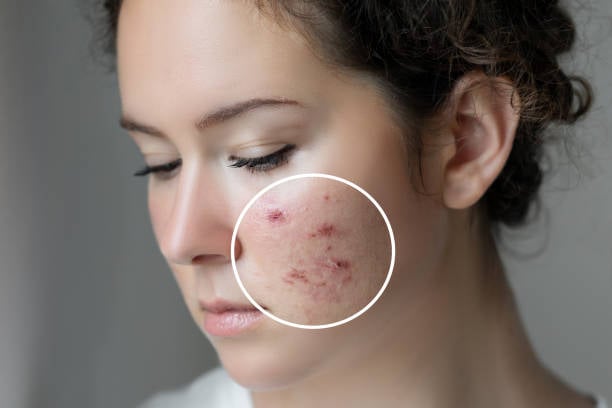
Acne may disappear, but the dark spots it leaves behind can remain for months, making the skin look uneven and affecting overall confidence. These marks, commonly known as post-acne pigmentation, develop when inflammation triggers excess melanin production in the skin. Fortunately, modern dermatological treatments offer several ways to improve their appearance. Laser Acne Scar Treatments in Riyadh are an option for people looking to reduce stubborn post-acne marks, improve skin tone, and achieve a smoother-looking complexion. However, the right treatment depends on the type of pigmentation, skin condition, and individual needs.
If you are exploring treatments for face laser acne scars, it is important to understand that dark spots and actual acne scars are not the same. Dark spots are usually flat areas of discoloration, while acne scars involve changes in skin texture, such as depressions or raised areas. Laser treatments can target certain types of pigmentation and may also improve some textural scars, depending on the technology used. A professional skin assessment helps determine which approach is appropriate.
How Do Post-Acne Dark Spots Develop?
Post-acne dark spots often appear after pimples, inflamed breakouts, or deeper acne lesions heal. During inflammation, the skin may produce additional melanin, leaving behind brown, dark brown, or sometimes greyish marks. This condition is commonly called post-inflammatory hyperpigmentation.
Sun exposure can make these marks more noticeable and slow their improvement. Picking, squeezing, or scratching acne lesions may also increase inflammation and contribute to persistent discoloration. Although some spots fade naturally, others can remain for several months or longer.
Difference Between Acne Marks and Acne Scars
Acne marks mainly affect skin colour without changing its surface texture. In contrast, acne scars develop when the skin's healing process affects collagen production. Understanding this difference is essential because pigmentation treatments and scar-removal procedures may require different laser technologies.
Can Laser Treatments Reduce Post-Acne Dark Spots?
Yes, certain laser treatments can help improve post-acne pigmentation by targeting excess pigment or encouraging skin renewal. Depending on the technology, laser energy may break down concentrated pigment particles or stimulate controlled skin regeneration.
The treatment selected depends on the depth and colour of the spots, your skin tone, and whether you have additional concerns such as uneven texture or active acne. Not every laser is suitable for every skin type, so professional assessment is important before starting treatment.
How Laser Technology Works
Pigment-targeting lasers deliver controlled energy to areas containing excess melanin. The body's natural processes gradually remove the affected pigment particles, helping the skin develop a more even appearance.
Other laser technologies work by creating controlled treatment zones in the skin, encouraging collagen production and supporting natural renewal. These approaches may be useful when pigmentation occurs alongside certain types of acne scarring.
Which Laser Treatments Can Help With Acne Pigmentation?
Different laser technologies address different skin concerns. The choice depends on whether the primary problem is surface pigmentation, deeper discoloration, or textural damage.
Q-Switched Laser Treatment
Q-switched lasers are designed to target pigment within the skin using short pulses of energy. They may help improve selected types of post-acne pigmentation by breaking pigment into smaller particles that the body can gradually clear.
Fractional Laser Treatment
Fractional lasers create microscopic treatment zones that stimulate the skin's natural healing response. They are commonly considered for uneven texture, certain acne scars, and overall skin rejuvenation. Their suitability for pigmentation depends on the individual's skin condition and the specific laser technology.
Pico Laser Treatment
Pico lasers use extremely short pulses to target pigment. They may be considered for certain forms of stubborn discoloration and uneven skin tone. The appropriate settings and treatment approach are particularly important for people with darker skin tones.
What Should You Expect During and After Laser Treatment?
Laser treatment generally begins with a skin consultation to identify the type of pigmentation and determine whether laser therapy is suitable. During the procedure, protective eyewear is provided, and the treatment area is carefully addressed using the selected technology.
After treatment, temporary redness, mild swelling, sensitivity, or changes in pigmentation may occur. Recovery varies according to the laser used and individual skin response.
Essential Aftercare for Better Results
Protecting your skin from sunlight is especially important after laser treatment. Broad-spectrum sunscreen helps reduce the risk of further pigmentation. You should also follow the recommended skincare routine, avoid picking or scrubbing the treated area, and temporarily discontinue irritating skincare products when advised.
Results are gradual, and some individuals may require multiple sessions. Following professional aftercare instructions helps support recovery and maintain improvements.
Is Laser Treatment Suitable for Every Skin Type?
Laser treatment is not suitable for everyone, and the right approach depends on individual skin characteristics. People with darker skin tones may have a greater risk of developing post-inflammatory pigmentation after certain laser procedures. Therefore, selecting appropriate technology and treatment settings is essential.
Individuals with active acne, skin infections, recent tanning, or certain skin conditions may need to address these concerns before proceeding. A qualified professional can evaluate your skin and recommend a suitable treatment plan.
Frequently Asked Questions
Can laser treatments completely remove post-acne dark spots?
Laser treatments can significantly improve certain types of post-acne pigmentation, but complete removal cannot be guaranteed. Results depend on pigmentation depth, skin type, and treatment response.
How many laser sessions are needed for acne pigmentation?
The number of sessions varies depending on the severity of discoloration and the laser technology used. Some people notice improvement after a few sessions, while others may require additional treatments.
Are laser treatments safe for darker skin tones?
Certain laser technologies can be used on darker skin tones, but careful assessment and appropriate settings are essential. An unsuitable laser or aggressive treatment may increase pigmentation.
Can laser treatments improve acne scars and dark spots together?
Some laser technologies can address both pigmentation and textural irregularities. However, the treatment plan depends on whether the primary concern is discoloration, depressed scars, or a combination of both.
Does post-acne pigmentation return after laser treatment?
Treated pigmentation may improve, but new dark spots can develop if acne, inflammation, or excessive sun exposure continues. Consistent skincare and sun protection help maintain results.
Book Your Skin Consultation at Enfield Royal Clinic
If post-acne dark spots are affecting your confidence, exploring suitable treatment options can be a positive step towards healthier-looking skin. At Enfield Royal Clinic, you can discuss your pigmentation concerns and receive a professional skin assessment to determine whether laser treatment is appropriate for your needs. Book your consultation and take the first step towards a more even and refreshed complexion.