
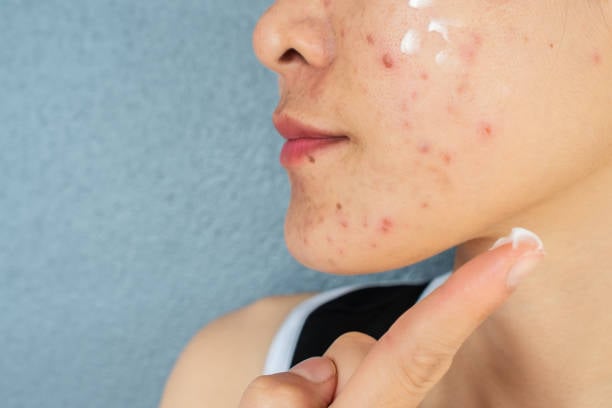
Acne is one of the most common skin concerns, affecting people of different ages and skin types. From blackheads and whiteheads to inflamed pimples and clogged pores, acne can influence both skin appearance and confidence. Although a consistent skincare routine is essential, professional facial treatments may offer additional support by cleansing the skin, removing surface impurities, and improving its overall appearance. Understanding which treatments are suitable for acne-prone skin can help you make informed decisions about your skincare journey.
If you are exploring Acne Treatment in Riyadh, professional facials may be a useful addition to your skincare routine when selected according to your skin type and acne severity. A qualified acne treatment clinic can assess your skin, identify potential triggers, and recommend appropriate treatments. While facials can help manage certain forms of acne, they are not a guaranteed cure, and some types of acne require medical treatment for effective, long-term control.
How Do Professional Facials Help With Acne?
Professional facials are designed to cleanse, exfoliate, and support the skin's natural renewal process. For individuals with mild acne, certain facials may help reduce pore congestion, remove excess surface oil, and improve skin texture. The results depend on the treatment method, the condition of the skin, and the products used.
Deep Cleansing and Unclogging Pores
Deep-cleansing facials help remove dirt, excess oil, makeup residue, and dead skin cells from the skin's surface. These impurities can contribute to clogged pores, which are associated with blackheads and whiteheads. Gentle cleansing may help maintain clearer-looking skin, especially when combined with appropriate daily skincare.
Gentle Exfoliation
Some professional facials incorporate mild exfoliation to remove accumulated dead skin cells. Depending on the ingredients and technique, exfoliation may improve skin smoothness and help reduce the appearance of clogged pores. However, aggressive exfoliation can irritate acne-prone skin and worsen inflammation, so the treatment must be selected carefully.
Improving Skin Texture
Acne can leave skin looking uneven, particularly when clogged pores and surface roughness are present. Suitable facial treatments may temporarily improve smoothness and hydration. However, deep acne scars and persistent dark marks generally require a more targeted approach than a standard facial.
Which Facial Treatments Are Suitable for Acne-Prone Skin?
Not every facial is appropriate for acne-prone skin. The most suitable option depends on whether your primary concern is clogged pores, excess oil, inflammation, or post-acne discoloration.
Acne-Focused Cleansing Facials
These facials focus on gentle cleansing and may include carefully performed extractions for certain blackheads and whiteheads. Extractions should be carried out by a trained professional because squeezing lesions incorrectly can increase inflammation, infection risk, and scarring.
Chemical Exfoliation Facials
Some professional treatments use ingredients such as salicylic acid to help exfoliate the skin and address clogged pores. Salicylic acid can be helpful for mild comedonal acne, but stronger formulations may cause dryness or irritation. A skin assessment helps determine whether this approach is appropriate.
Hydrating and Soothing Facials
Acne-prone skin can become dry or irritated, particularly when using acne medications. Gentle, non-comedogenic moisturising products may support the skin barrier without unnecessarily clogging pores. Soothing facials may improve comfort, although they do not directly treat every cause of acne.
Are Professional Facials Enough to Treat Acne?
Professional facials can complement a skincare routine, but they are not a substitute for evidence-based acne treatment when breakouts are persistent or severe. Mild acne may respond to suitable over-the-counter products, while moderate or severe acne may require prescription treatments recommended by a qualified healthcare professional.
Deep, painful nodules, recurring cysts, and acne that leaves scars should be medically assessed. Delaying appropriate treatment can increase the likelihood of permanent scarring. It is also important to avoid picking pimples or combining multiple exfoliating treatments without professional guidance.
For the best results, combine suitable professional care with gentle cleansing, non-comedogenic moisturiser, daily broad-spectrum sunscreen, and acne products appropriate for your skin. Consistency is essential because acne usually improves gradually rather than overnight.
What to Expect During an Acne Facial
A professional appointment typically begins with a skin assessment and discussion of your concerns, current skincare products, and any acne medications you use. The practitioner then selects an appropriate cleansing and treatment approach based on your skin's condition.
Depending on your needs, the session may include gentle exfoliation, limited extractions, and moisturising products. Some redness or sensitivity can occur afterward, particularly with exfoliating treatments. Your practitioner should explain suitable aftercare and advise you when to resume active skincare ingredients.
Frequently Asked Questions
Can professional facials completely clear acne?
Professional facials may help improve mild acne and clogged pores, but they cannot guarantee complete clearance. Persistent or severe acne often requires a dedicated medical treatment plan.
How often should I get a facial for acne?
The ideal frequency depends on your skin type, acne severity, and treatment method. A skincare professional can recommend an appropriate schedule while avoiding excessive exfoliation or irritation.
Can facials make acne worse?
Yes. Harsh products, aggressive exfoliation, unsuitable oils, and improper extractions can worsen breakouts. Choosing a treatment designed for acne-prone skin helps reduce these risks.
Are professional facials suitable for sensitive skin?
Some gentle facials may be suitable, but sensitive skin requires careful product selection. Inform your practitioner about irritation, allergies, and any medications you use before treatment.
When should I seek medical treatment instead of a facial?
Seek professional medical advice if acne is painful, severe, persistent, or causing scars. A healthcare professional can assess the condition and recommend treatments that address its underlying causes.
Book Your Acne Consultation
Achieving clearer, healthier-looking skin begins with understanding your individual skin concerns. At Enfield Royal Clinic, you can explore suitable skincare options and discuss your goals with a qualified professional. Book a consultation to receive personalised guidance on managing acne, choosing appropriate treatments, and building a skincare routine that supports your skin's long-term health.