
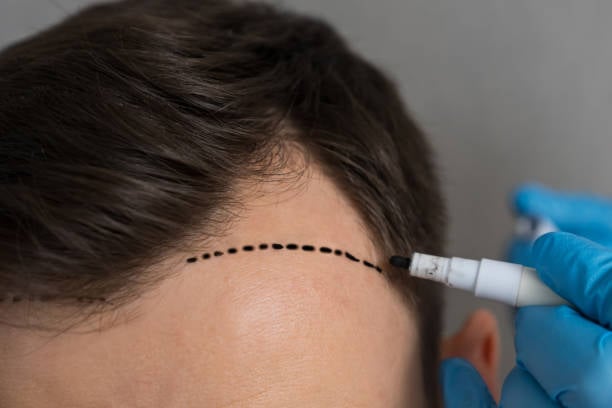
Hair loss can affect confidence and appearance, leading many individuals to explore advanced restoration options. One of the most searched topics is How much does 5000 grafts Hair Transplant Cost in Riyadh?, but many people are equally concerned about the effectiveness, safety, and results of a large-scale hair transplant. Unfortunately, misinformation often creates unnecessary fear and confusion. Understanding the facts behind common myths can help you make an informed decision and feel more confident about the treatment process.
If you are researching Hair Transplant Price for 5000 Grafts in Riyadh, it is equally important to separate facts from fiction. Large-scale hair transplantation has evolved significantly over the years, thanks to modern techniques and improved technology. Today, qualified specialists use advanced methods to achieve natural-looking outcomes while prioritizing patient safety and long-term hair growth.
Understanding Large-Scale Hair Transplants
A large-scale hair transplant generally involves transplanting thousands of healthy hair grafts from a donor area to regions experiencing significant hair loss. This approach is often recommended for individuals with advanced baldness or extensive thinning. The procedure is carefully planned to ensure balanced coverage, natural hairline design, and optimal graft survival.
Every treatment plan is customized according to the patient's hair characteristics, scalp condition, and aesthetic goals. Modern procedures focus on maximizing density while preserving the donor area for future needs if required.
Common Myths About Large-Scale Hair Transplants
Myth 1: A 5000-Graft Hair Transplant Is Unsafe
One of the biggest misconceptions is that transplanting 5000 grafts is dangerous. In reality, patient safety depends on careful planning, proper medical evaluation, and the use of advanced surgical techniques. Experienced professionals assess donor hair availability, scalp health, and overall suitability before recommending a large graft session.
When performed under appropriate medical standards, a large-scale hair transplant can be both safe and effective.
Myth 2: The Results Always Look Unnatural
Many people still believe that hair transplants produce obvious or artificial-looking results. This myth comes from outdated procedures performed years ago. Modern hair transplantation techniques focus on creating a natural hairline, proper graft placement, and realistic hair density.
The angle, direction, and spacing of each graft play an important role in ensuring that the final appearance blends naturally with existing hair.
Myth 3: More Grafts Always Mean Better Results
While a higher graft count can provide greater coverage, success is not determined by numbers alone. Proper distribution of grafts is more important than simply transplanting as many as possible.
A well-designed treatment plan considers facial features, existing hair density, donor hair quality, and long-term hair restoration goals. Strategic placement often produces better outcomes than excessive graft implantation.
Myth 4: Recovery Takes Several Months Before You Can Resume Daily Activities
Many individuals assume they will need a long recovery period after a large-scale transplant. In reality, most patients return to their normal routines within a relatively short time, although complete healing and hair growth require patience.
Following post-procedure instructions helps support healing, protect newly transplanted grafts, and encourage healthy hair growth over the following months.
Myth 5: Hair Transplants Deliver Instant Results
Another common misunderstanding is that new hair begins growing immediately after the procedure. Hair restoration is a gradual process. Initially, transplanted hairs may shed before entering a natural growth cycle.
Visible improvements usually develop progressively, with hair becoming thicker and fuller over time. Patience is essential for achieving the best possible outcome.
Why Modern Hair Transplants Are More Reliable
Advancements in hair restoration have transformed the entire procedure. Improved extraction methods, precise graft implantation, and enhanced planning techniques contribute to higher graft survival rates and more natural-looking results.
Digital assessment tools and personalized treatment planning also help specialists determine the ideal number of grafts required while maintaining the health of the donor area.
Who May Benefit from a Large-Scale Hair Transplant?
Individuals experiencing advanced hair loss, extensive thinning, or large bald areas may be suitable candidates for a high-graft hair transplant. Good overall health, realistic expectations, and adequate donor hair are important factors that influence treatment suitability.
A detailed consultation allows specialists to evaluate your scalp, discuss your goals, and create a personalized treatment strategy that supports long-term success.
Tips for Achieving the Best Results
Successful hair transplantation goes beyond the procedure itself. Following aftercare instructions, protecting the scalp during healing, attending follow-up appointments, and maintaining a healthy lifestyle all contribute to better hair growth.
It is also important to have realistic expectations and understand that final results develop gradually over several months as transplanted follicles mature naturally.
Frequently Asked Questions
Q: Is a 5000-graft hair transplant suitable for everyone?
A: No. Suitability depends on the extent of hair loss, donor hair availability, scalp condition, and an individual medical assessment.
Q: Will people be able to tell that I had a hair transplant?
A: Modern techniques are designed to create natural-looking results, making the transplanted hair blend seamlessly with your existing hair.
Q: Does transplanted hair require special maintenance?
A: Once the transplanted hair grows fully, it can generally be washed, trimmed, and styled like natural hair while following healthy hair care practices.
Q: How long does it take to see noticeable hair growth?
A: Hair growth develops gradually over several months, with continued improvement as the transplanted follicles mature.
Q: Can transplanted hair fall out again?
A: Transplanted hair is typically taken from areas resistant to hair loss, making it more likely to continue growing for the long term with proper care.
Book Your Consultation with Enfield Royal Clinic
If you are considering a large-scale hair restoration procedure and want reliable guidance based on your individual needs, Enfield Royal Clinic offers personalized consultations to help you understand your options. A comprehensive assessment can determine your suitability for treatment, answer your questions, and create a customized hair restoration plan designed to achieve natural, long-lasting results.