
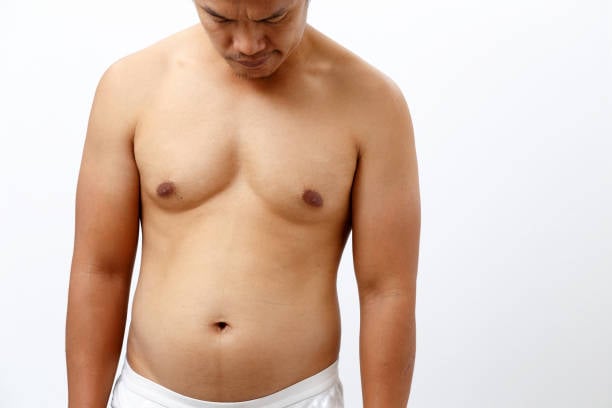
Gynecomastia is a condition involving the development of excess breast tissue in males, which can affect the appearance of the chest and sometimes cause emotional discomfort. With modern cosmetic surgery techniques, men can explore effective approaches for creating a flatter, more proportionate chest. Gynecomastia Surgery in Riyadh has become an option for individuals seeking personalized treatment based on their chest structure, tissue composition, and aesthetic goals.
Understanding the available approaches can help patients make informed decisions before treatment. Gynecomastia surgery in Riyadh(جراحة التثدي في الرياض) may involve addressing excess glandular tissue, fatty deposits, or a combination of both, depending on the individual’s needs. A professional assessment is important because every case is different, and the most suitable surgical approach depends on the amount and type of tissue present.
Understanding Gynecomastia
What Causes Male Breast Enlargement?
Gynecomastia can develop when there is an imbalance between estrogen and testosterone levels. Hormonal changes, certain medications, weight fluctuations, underlying health conditions, and natural stages of development may contribute to enlarged male breast tissue. In some individuals, the condition may persist despite lifestyle changes, making surgical treatment a consideration.
How Gynecomastia Can Affect Confidence
Although gynecomastia is generally a physical concern, its impact can extend beyond appearance. Some men may feel uncomfortable wearing fitted clothing, participating in sports, swimming, or social activities. Improving chest contours can help create a more balanced appearance and may contribute to greater confidence.
Exploring Gynecomastia Surgery Options
Liposuction-Based Treatment
When excess fat contributes significantly to chest fullness, liposuction may be considered. This technique uses small access points to remove unwanted fatty deposits and refine the contours of the chest. It can be particularly useful when the primary concern is localized fat rather than dense glandular tissue.
Glandular Tissue Removal
Some cases involve firm glandular tissue beneath the nipple area. When this tissue is responsible for breast enlargement, surgical removal may be considered. This approach focuses on reducing persistent tissue that may not respond to exercise or conventional weight-management efforts.
Combined Surgical Approaches
In some patients, both fatty deposits and glandular tissue contribute to the appearance of enlarged breasts. A combination of techniques may therefore be appropriate. The objective is to address the different components contributing to chest fullness while maintaining natural-looking proportions.
What to Expect During the Treatment Journey
Initial Assessment and Planning
A consultation typically begins with an evaluation of the chest, medical history, skin quality, and overall treatment goals. The amount and type of tissue present can help determine which approach may be most appropriate. A personalized plan allows treatment to be tailored to the individual rather than relying on a single technique for every patient.
Recovery and Results
Recovery can vary depending on the treatment approach and the extent of correction required. Patients may experience temporary swelling, bruising, or sensitivity following surgery. Following postoperative instructions carefully can support healing and help the chest gradually settle into its improved contours.
Choosing the Right Approach
Why Personalized Treatment Matters
There is no single solution that is suitable for every case of gynecomastia. Factors such as skin elasticity, tissue composition, chest shape, and personal expectations all play a role in treatment planning. A personalized approach can help achieve results that complement the patient’s natural body proportions.
Supporting Long-Term Results
Maintaining a stable weight and following healthy lifestyle habits can help support the appearance achieved after treatment. While surgery can address excess tissue and improve chest contours, maintaining realistic expectations and following professional aftercare guidance remain important parts of the overall process.
Frequently Asked Questions
Is gynecomastia surgery suitable for every man?
Not necessarily. Suitability depends on factors such as overall health, the cause and severity of breast enlargement, skin quality, and individual treatment goals. A professional consultation can determine whether surgery is appropriate.
Can gynecomastia surgery address both fat and glandular tissue?
Yes, depending on the individual case, treatment may involve addressing fatty deposits, glandular tissue, or both. The appropriate approach is determined after evaluating the composition of the enlarged chest area.
How long does recovery from gynecomastia surgery take?
Recovery varies between individuals and depends on the technique used and the extent of treatment. Swelling and bruising may occur initially, while the final contours can become more apparent as healing progresses.
Will gynecomastia surgery create a natural-looking chest?
The goal of treatment is generally to create a flatter, more proportionate chest while maintaining natural contours. Personalized surgical planning can help ensure the result complements the individual’s body structure.
When should someone consider treatment for gynecomastia?
Men who have persistent chest enlargement and feel that it affects their confidence or appearance may consider seeking a professional assessment. Understanding the underlying cause and available options is an important first step.
Begin Your Consultation
If persistent chest enlargement is affecting your confidence or making you uncomfortable with your appearance, a personalized consultation can help you understand your options. Enfield Royal Clinic (عيادة إنفيلد الملكية)provides a professional setting where patients can discuss their concerns, explore suitable treatment approaches, and receive guidance based on their individual needs.