
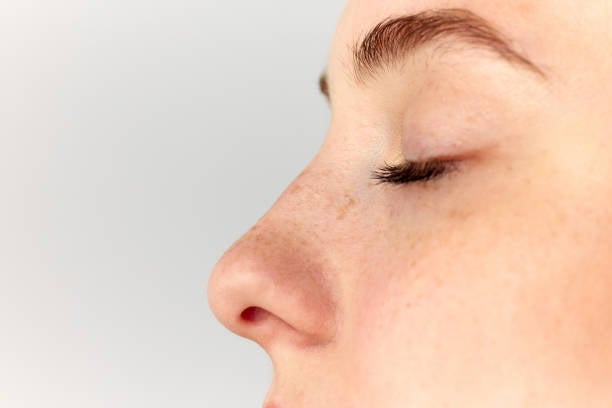
Rhinoplasty is a surgical procedure that reshapes the nose to improve its appearance, address structural concerns, or support better breathing. Proper aftercare is essential for a comfortable recovery and the best possible outcome. Knowing how to protect your nose, manage swelling, and follow your surgeon’s instructions can make the healing process smoother. Whether you have undergone minor nasal adjustments or more extensive surgery, taking the right precautions helps protect the healing tissues and supports long-term results.
For individuals researching Rhinoplasty in Riyadh, understanding the recovery process is an important part of preparing for surgery. Many people also search for nose surgery in saudi arabia price while exploring their options, but recovery care deserves equal attention. Following professional guidance, attending scheduled follow-up appointments, and allowing your nose sufficient time to heal can help you approach your recovery with greater confidence.
Follow Your Surgeon’s Postoperative Instructions
Every rhinoplasty procedure is different, so your aftercare plan should be tailored to your surgical technique and individual needs. Your surgeon may provide instructions regarding medication, cleaning, dressing changes, and follow-up visits. Follow these recommendations carefully rather than relying on general advice or information from unverified sources.
Do not remove a nasal splint, alter dressings, or apply products around the surgical area unless your medical team has instructed you to do so. If you have questions about your recovery, contact your healthcare provider for personalized guidance.
Keep Your Head Elevated
Reduce Swelling and Bruising
Swelling and bruising around the nose and eyes are common after rhinoplasty. Keeping your head elevated, especially while sleeping, may help reduce fluid accumulation and improve comfort during the early recovery period.
Use pillows to support your head and upper body, or follow your surgeon’s advice about sleeping in a reclined position. Avoid sleeping face down or placing pressure on your nose. Although initial swelling often improves over the first few weeks, subtle swelling can remain for several months as the tissues gradually settle.
Protect Your Nose From Accidental Injury
Avoid Pressure on the Surgical Area
Your nose needs time to heal after surgery, making protection particularly important during the initial recovery period. Avoid touching, squeezing, rubbing, or pressing the nose unnecessarily. Be careful when changing clothes, washing your face, or moving around crowded spaces.
Wear glasses only as advised by your surgeon because their weight may place pressure on the healing nasal bridge. If you normally wear glasses, ask your medical team about suitable alternatives during recovery.
You should also avoid contact sports, strenuous exercise, and activities that could result in accidental facial injury until your surgeon confirms that it is safe to resume them.
Maintain Gentle Nasal Hygiene
Clean the Nose Carefully
Keeping the surgical area clean can support healing and reduce irritation. However, the correct cleaning method depends on the procedure performed and your surgeon’s instructions.
Use only recommended saline sprays, cleaning solutions, or ointments. Do not insert cotton swabs, tissues, or other objects into your nostrils unless specifically instructed by your healthcare provider. Avoid forceful nose blowing during the period recommended by your surgeon.
If you experience crusting, unusual discharge, or persistent discomfort, consult your medical team before attempting additional cleaning methods.
Eat Well and Stay Hydrated
A balanced diet provides nutrients that support the body's natural healing process. Include protein-rich foods, vegetables, fruits, and other nutrient-dense options in your meals. Drink sufficient water unless your healthcare provider has advised you to restrict fluids.
Avoid smoking and nicotine products during recovery because they can impair circulation and interfere with wound healing. Alcohol may also be unsuitable when you are taking certain medications. Ask your healthcare provider when it is safe to resume drinking alcohol or using any supplements.
Understand What to Expect During Recovery
Be Patient With the Healing Process
Recovery after rhinoplasty occurs gradually. Bruising and swelling are generally more noticeable during the early stages, while the nose continues to refine as the tissues heal. The exact timeline depends on the extent of surgery, individual healing patterns, and other medical factors.
Avoid judging your final results too early. Follow-up appointments allow your surgeon to assess healing, address concerns, and advise you about returning to your usual activities.
Frequently Asked Questions
How long does it take to recover after rhinoplasty?
Many patients return to light daily activities within one to two weeks, depending on their recovery and the nature of their work. Swelling may take several months to settle, and final results can take a year or longer to become apparent.
Can I wash my face after rhinoplasty?
You can usually clean parts of your face gently, but you must protect the nose, splint, and dressings from water as directed by your surgeon. Ask your medical team when normal washing can resume.
When can I exercise after nose surgery?
Light activities may be resumed gradually when your surgeon approves them. Strenuous exercise, heavy lifting, and contact sports should be avoided until you receive medical clearance.
Is swelling normal after rhinoplasty?
Yes, swelling is expected after surgery and usually decreases gradually. However, sudden or worsening swelling, severe pain, fever, or unusual discharge should be reported to your healthcare provider.
When should I contact my surgeon after rhinoplasty?
Contact your surgeon if you experience increasing pain, persistent bleeding, fever, worsening redness, or symptoms that concern you. Seek urgent medical attention for difficulty breathing, heavy bleeding, or sudden changes in vision.
Book Your Rhinoplasty Consultation at Enfield Royal Clinic
Proper aftercare is an important part of achieving a safe recovery and satisfactory results after nose surgery. At Enfield Royal Clinic, patients can seek professional guidance about rhinoplasty, preparation, recovery expectations, and postoperative care. Arrange a consultation to discuss your goals, understand the procedure, and receive personalized recommendations for your needs.