
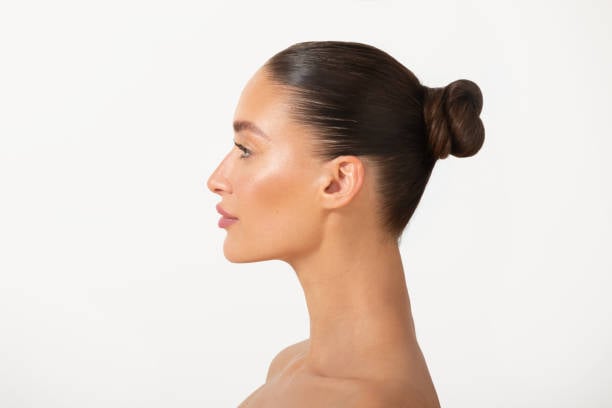
Choosing the right clinic is one of the most important steps when considering a nose reshaping procedure. Rhinoplasty can help improve nasal appearance, facial balance, and, in some cases, breathing function. However, achieving satisfactory results begins with selecting a qualified medical team and a clinic that prioritizes patient safety. Understanding what to look for can help you make an informed decision and feel more confident throughout your treatment journey.
When researching Rhinoplasty in Riyadh, patients should look beyond attractive advertisements and focus on professional qualifications, hygiene standards, consultation quality, and personalized treatment planning. Individuals interested in a nose job for men in riyadh should also choose a clinic that understands male facial anatomy and aims to maintain natural proportions. A safe approach considers each patient's unique features, expectations, and medical needs rather than promising identical results for everyone.
Check the Qualifications and Experience of the Medical Team
The qualifications of the medical professional performing rhinoplasty should be a primary consideration. Choose a properly licensed surgeon with relevant training and experience in nasal surgery. It is important to verify professional credentials through the appropriate Saudi healthcare authorities and ask about experience with procedures similar to the one you are considering.
A qualified professional should explain the available surgical techniques, potential benefits, limitations, and possible complications. They should also discuss whether your goals are realistic and recommend an appropriate approach based on your nasal structure and overall health.
Evaluate the Clinic's Hygiene and Safety Standards
A safe rhinoplasty clinic should maintain strict infection prevention protocols and appropriate medical facilities. If surgery is planned, ask whether the procedure will take place in an authorized surgical facility with suitable monitoring equipment, anesthesia support, and emergency arrangements.
The clinic should follow applicable healthcare regulations and maintain clear procedures for patient assessment, surgical preparation, and postoperative care. You should feel comfortable asking questions about sterilization, anesthesia safety, and how complications would be managed.
Review Before-and-After Results Carefully
Before-and-after photographs can help you understand a surgeon's aesthetic approach and the range of results that may be possible. Look for examples involving patients with similar nasal features, facial proportions, and treatment goals.
However, photographs should be viewed carefully. Lighting, camera angles, facial expressions, and image editing can affect how results appear. Photographs cannot guarantee that you will achieve the same outcome. During your consultation, ask the surgeon to explain what changes may be realistic for your individual anatomy.
Understand the Consultation Process
Discuss Your Goals and Expectations
A professional consultation should give you enough time to explain what you want to change about your nose. Whether your concerns involve a nasal hump, a wide nasal tip, asymmetry, or breathing difficulties, your provider should listen carefully and assess your needs.
Review Your Medical History
Your medical history, current medications, allergies, previous nasal procedures, and breathing concerns can influence treatment planning. Share this information honestly so the medical team can evaluate your suitability and identify potential risks.
Ask About Recovery and Follow-Up Care
Before making a decision, understand the expected recovery process, activity restrictions, follow-up appointments, and warning signs that require medical attention. Reliable aftercare is an essential part of safe rhinoplasty, not an optional extra.
Look for Honest Communication and Personalized Care
A trustworthy clinic provides clear, balanced information instead of guaranteeing perfect results. Rhinoplasty involves individual healing patterns, and outcomes cannot be predicted with complete certainty. Your provider should explain the possibility of swelling, temporary discomfort, asymmetry, changes in sensation, infection, breathing problems, and the potential need for revision surgery.
Be cautious of clinics that pressure you to book immediately, dismiss your concerns, or promise a risk-free procedure. You should have enough time to consider your options and make a decision without feeling rushed.
Frequently Asked Questions
How can I identify a safe rhinoplasty clinic?
Look for appropriate healthcare licensing, qualified surgical professionals, strong hygiene protocols, transparent communication, and a clear plan for postoperative care. Verify credentials and ask questions before committing to treatment.
What should I ask during a rhinoplasty consultation?
Ask about the surgeon's qualifications, relevant experience, recommended technique, possible complications, anesthesia arrangements, recovery expectations, and follow-up appointments. You should also discuss your personal goals and any breathing concerns.
Is rhinoplasty suitable for both men and women?
Rhinoplasty may be suitable for eligible men and women. Treatment planning should reflect individual anatomy, functional needs, and aesthetic preferences rather than applying the same approach to every patient.
How important is aftercare following rhinoplasty?
Aftercare is essential because it supports recovery and allows the medical team to monitor healing. Follow the instructions provided, attend scheduled appointments, and report unexpected symptoms promptly.
Can rhinoplasty improve breathing as well as appearance?
In some cases, rhinoplasty may be combined with functional nasal surgery to address structural problems affecting airflow. An appropriate medical assessment is necessary to determine which treatment, if any, is suitable.
Book Your Rhinoplasty Consultation
Choosing a safe clinic starts with informed decisions, realistic expectations, and a commitment to your health. At Enfield Royal Clinic, patients can explore their rhinoplasty concerns, discuss their aesthetic goals, and learn about the consultation and treatment process. Arrange a consultation to understand your options and determine the next steps toward a personalized approach to nasal appearance and function.