
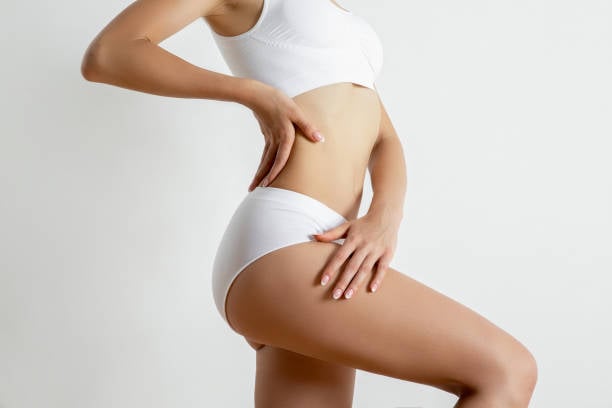
Fat transfer is a cosmetic procedure that uses fat taken from one area of the body to enhance volume and contour in another area. Although the procedure can create natural-looking results, proper aftercare is essential for supporting healing and achieving the desired outcome. Understanding what to expect during recovery can help you feel more comfortable and confident throughout the process.
For individuals considering Fat Transfer Surgery In Riyadh, learning about the recovery process is an important step before undergoing treatment. Following your surgeon’s instructions, maintaining healthy habits, protecting the treated areas, and attending follow-up appointments can help support healing. Every patient recovers differently, so a personalized aftercare plan is essential for achieving safe and satisfying results.
Understanding the Fat Transfer Recovery Process
Fat transfer recovery depends on the areas treated, the amount of fat transferred, and your individual healing response. After the procedure, you may experience swelling, bruising, tenderness, and temporary discomfort in both the donor and recipient areas. These effects generally improve gradually as the body heals.
Some transferred fat may naturally be reabsorbed by the body over time. Your final results may therefore take several months to become apparent. Patience and consistent aftercare are important because the treated areas need time to settle and the surviving fat cells need to establish a blood supply.
Follow Your Post-Procedure Instructions
Your surgeon will provide specific guidance based on your procedure and medical needs. Follow the recommended instructions regarding wound care, prescribed medications, activity restrictions, and follow-up visits. Avoid changing your aftercare routine or taking additional medications and supplements without medical approval.
Essential Tips for Supporting Your Recovery
Allow Your Body Enough Rest
Rest is important during the early stages of recovery because your body needs energy to repair tissues and manage inflammation. Arrange a comfortable recovery space and avoid strenuous activities until your surgical team confirms that it is safe to resume them.
You may be encouraged to take gentle, short walks to support circulation and reduce the risks associated with prolonged immobility. However, avoid pushing yourself too hard, particularly if movement causes discomfort or places pressure on the treated areas.
Protect the Treated Areas From Pressure
Pressure management is especially important after fat transfer because the transferred fat needs time to establish a healthy blood supply. Depending on the treatment area, your surgeon may recommend avoiding direct pressure, prolonged sitting, or sleeping in certain positions.
For example, patients undergoing buttock fat transfer may need to follow specific sitting restrictions. Patients receiving facial fat transfer may receive different instructions. Always follow the guidance designed for your procedure rather than applying general advice to every treatment area.
Maintain Proper Nutrition and Hydration
A balanced diet provides nutrients that support tissue repair and general recovery. Include protein-rich foods, fruits, vegetables, whole grains, and healthy fats as part of your regular meals. Drinking sufficient water can also help maintain normal bodily functions during healing.
Avoid crash diets or significant calorie restrictions during recovery unless medically advised. Smoking and nicotine products can impair circulation and interfere with wound healing, so discuss cessation support with your healthcare provider before surgery.
Keep Incision Sites Clean
Follow your surgical team's instructions for cleaning and dressing incision sites. Avoid soaking wounds, swimming, or applying unapproved creams until you receive clearance. Compression garments may be recommended for certain donor areas, but they should be used only as directed because excessive pressure over fat-grafted areas may affect the outcome.
Activities to Avoid During Recovery
Strenuous exercise, heavy lifting, and activities that create pressure or friction around the treated areas may need to be restricted temporarily. Your surgeon will advise when you can gradually return to work, exercise, and everyday routines.
Avoid smoking, excessive alcohol consumption, and unapproved treatments during the healing period. Do not massage the treated areas unless your surgical team specifically recommends it. Contact your healthcare provider promptly if you develop worsening pain, spreading redness, fever, unusual drainage, or rapidly increasing swelling. Chest pain, sudden shortness of breath, or fainting requires emergency medical attention.
Frequently Asked Questions
How long does fat transfer recovery take?
Initial recovery may take several days to a few weeks, depending on the procedure. Swelling and changes in contour can continue for several months.
When can I return to my normal activities?
The timeline depends on the treated area and your healing progress. Resume activities gradually and obtain clearance before returning to strenuous exercise.
Is swelling normal after fat transfer?
Yes, swelling and bruising are common after the procedure. They should generally improve over time, but worsening symptoms should be assessed by your healthcare provider.
Can I sleep normally after fat transfer?
Your sleeping position may need to change temporarily to protect the treated area. Follow your surgeon’s specific recommendations regarding positioning and pressure.
How can I help maintain my fat transfer results?
Follow your aftercare instructions, maintain a balanced diet, avoid smoking, and allow your body to heal. Significant weight changes may affect the long-term appearance of the treated areas.
Schedule Your Fat Transfer Consultation
Understanding the recovery process can help you prepare for treatment and make informed decisions about your aesthetic goals. Enfield Royal Clinic can help you explore fat transfer treatment options, understand personalized aftercare recommendations, and discuss what to expect during healing. Schedule a consultation to receive guidance tailored to your needs and learn how to support a comfortable recovery and natural-looking results.