
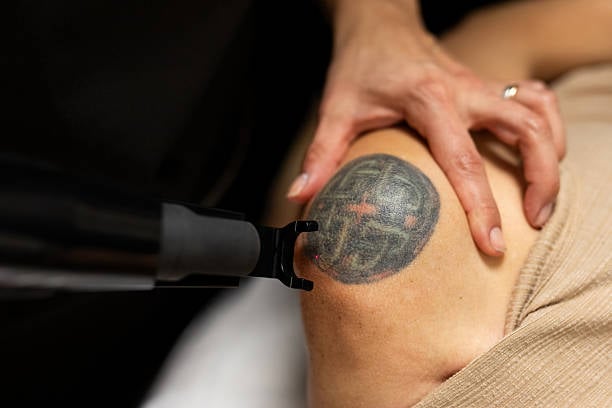
Tattoo removal has become an increasingly sought-after aesthetic treatment for people who want to fade or completely remove unwanted tattoos. Whether the tattoo is connected to an old decision, a change in personal preferences, or simply no longer reflects your lifestyle, modern laser technology offers a more targeted approach to tattoo removal. For individuals exploring aesthetic treatments, understanding how the procedure works and what to expect can help them make informed decisions.
Understanding Laser Tattoo Removal
laser tattoo removal is a specialized aesthetic procedure that uses focused laser energy to break tattoo pigments into tiny particles. These fragmented particles can then be naturally processed and eliminated by the body over time. The treatment is designed to target tattoo ink while minimizing unnecessary impact on the surrounding skin, making it a popular choice for people seeking gradual tattoo fading or removal.
How the Treatment Works
During treatment, a laser device delivers controlled pulses of energy directly toward the tattoo pigments. Different wavelengths may be used depending on the color, depth, and characteristics of the ink. The energy causes the pigment particles to break down into smaller fragments, allowing the body's natural processes to gradually clear them. Because tattoos vary significantly, the treatment approach is generally customized according to individual needs.
Why Choose Laser Tattoo Removal in Riyadh?
Choosing Laser Tattoo Removal in Riyadh gives individuals access to modern aesthetic treatment options in a city known for advanced cosmetic and dermatological services. Professional assessment is an important part of the process because tattoo characteristics, skin type, ink composition, and previous treatments can all influence the expected response.
Suitable for Different Tattoo Types
Laser tattoo removal may be considered for a variety of tattoo styles, sizes, and colors. Professional evaluation helps determine which laser technology and treatment approach may be appropriate. Darker pigments often respond differently from lighter or more complex colors, so treatment planning should be based on the individual tattoo rather than using a one-size-fits-all approach.
Gradual and Customized Treatment
Tattoo removal is generally a gradual process rather than an instant procedure. Multiple treatment sessions may be recommended because the body needs time to process the fragmented pigment between appointments. The number of sessions can vary depending on factors such as tattoo size, ink density, color, location, and how deeply the pigment has been placed.
What to Expect During the Procedure
Before treatment, the skin and tattoo are assessed to understand the tattoo's characteristics and determine an appropriate treatment strategy. During the procedure, patients may experience a brief snapping or warming sensation as the laser pulses target the pigment. Protective measures are used to help safeguard the surrounding skin during treatment.
Aftercare and Skin Protection
Following a laser tattoo removal session, appropriate aftercare can support the skin's recovery. The treated area should be kept clean and protected according to professional instructions. Avoiding unnecessary sun exposure is particularly important because recently treated skin can be more sensitive. Patients should also avoid picking, scratching, or irritating the treated area while it heals.
Benefits of Professional Tattoo Removal
Professional laser treatment offers a controlled approach to unwanted tattoo pigment. Treatment planning can be adjusted according to the tattoo's appearance and the individual's skin characteristics. Proper assessment can also help establish realistic expectations regarding the pace of fading and the likely treatment journey.
Making an Informed Treatment Decision
Anyone considering tattoo removal should understand that results can differ from person to person. Some tattoos may fade significantly, while complete removal cannot always be guaranteed. During a consultation, discussing the tattoo's history, previous removal attempts, skin sensitivity, and desired outcome can help create a more suitable treatment plan.
Frequently Asked Questions
Is laser tattoo removal suitable for all tattoos?
Laser tattoo removal can be used for many types of tattoos, but the response depends on factors such as pigment color, tattoo depth, size, location, and skin characteristics. A professional assessment can determine the most appropriate treatment approach.
How many sessions are needed for tattoo removal?
The number of sessions varies between individuals. Tattoo characteristics, ink type, color, density, and the body's response to treatment can all affect the overall treatment process.
Is laser tattoo removal painful?
Patients may experience a brief snapping, tingling, or warming sensation during treatment. The level of discomfort varies depending on the individual and the tattoo being treated.
How long does it take for the tattoo to fade?
Tattoo fading occurs gradually because the body needs time to process the fragmented pigment. Changes may become more noticeable as the skin naturally clears the treated ink between sessions.
Can previously treated tattoos be removed with laser treatment?
Previously treated tattoos may still be suitable for laser treatment, although the treatment approach depends on the tattoo's current appearance, remaining pigment, and the type of previous treatment received.
Plan Your Tattoo Removal Consultation
If you are considering professional tattoo removal and want to understand which approach may be appropriate for your skin and tattoo, a personalized consultation can provide valuable guidance. Enfield Royal Clinic offers a professional setting where patients can discuss their aesthetic goals and explore suitable tattoo removal options based on their individual needs.