
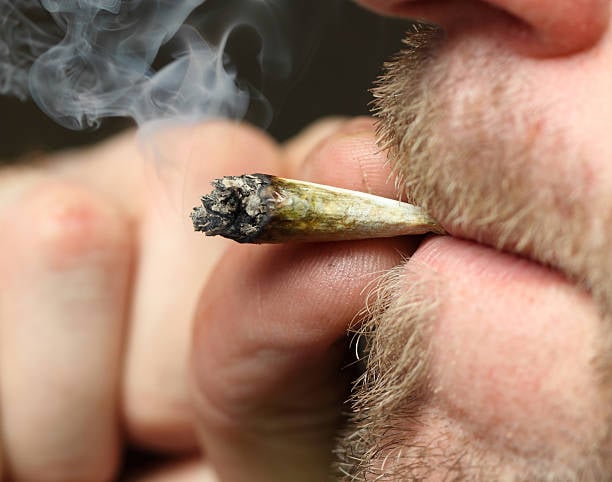
Lip pigmentation is a common concern that can make the lips appear darker, uneven, or less vibrant than their natural colour. Smoking, sun exposure, genetics, hormonal changes, and irritation from certain lip products can contribute to this condition. Fortunately, modern aesthetic treatments offer different ways to improve lip colour and restore a more even appearance. Smoker Lips Treatment In Riyadh is becoming increasingly popular among people looking for effective solutions to lip discolouration and pigmentation.
When comparing treatment options, smoker’s lips treatment in riyadh often involves advanced laser procedures or specialised chemical peels. Both treatments aim to reduce unwanted pigmentation, but they work differently and may be suitable for different skin concerns. Understanding their benefits, limitations, and recovery requirements can help you make a more informed decision before choosing a treatment.
Understanding Lip Pigmentation and Its Causes
Lip pigmentation occurs when excess melanin, the natural pigment responsible for skin colour, develops in the lips. This can create brown, greyish, or darker patches that affect the overall appearance of the mouth.
Smoking is one of the recognised contributing factors because repeated exposure to tobacco chemicals, heat, and irritation can encourage pigmentation. Other factors include prolonged sun exposure, dehydration, allergic reactions to lip products, and natural genetic differences.
Identifying the underlying cause is important because not every type of lip pigmentation responds to the same treatment. A professional assessment can help determine which approach may be appropriate.
Laser Treatment for Lip Pigmentation
Laser treatment is an advanced aesthetic option designed to target excess pigmentation within the lips. It uses controlled light energy to break down unwanted pigment, allowing the body to gradually clear the fragmented particles.
How Does Laser Lip Treatment Work?
During the procedure, a suitable laser device delivers controlled energy to the pigmented areas. The energy targets melanin while aiming to minimise unnecessary effects on the surrounding tissue. Depending on the device and individual condition, multiple sessions may be recommended to achieve gradual improvement.
Benefits of Laser Treatment
Laser procedures can offer targeted treatment for stubborn pigmentation and uneven lip colour. They are often considered when darker patches are more noticeable or when pigmentation extends beyond the surface layer. Treatment settings can be adjusted according to the individual's skin characteristics and pigmentation concerns.
However, temporary redness, swelling, sensitivity, or changes in pigmentation may occur. Proper assessment and aftercare are essential to support healing.
Chemical Peels for Lip Pigmentation
Chemical peels provide another approach to improving lip discolouration. They involve carefully selected exfoliating ingredients that help remove damaged surface cells and encourage skin renewal.
How Do Chemical Peels Work?
A professional applies a suitable peeling solution to the affected area for a controlled period. The treatment helps exfoliate the outermost layers and supports the development of fresher skin. The strength and formulation must be carefully selected because the lips are delicate and more sensitive than many other areas of the face.
Benefits of Chemical Peels
Chemical peels may help improve mild surface pigmentation, uneven texture, and dull-looking lips. They can be useful when discolouration is relatively superficial. However, stronger or unsuitable peeling solutions may cause irritation, inflammation, and additional pigmentation, particularly in individuals prone to post-inflammatory hyperpigmentation.
Professional supervision is important to ensure the treatment is appropriate for the delicate lip area.
Laser vs. Chemical Peels: Which Treatment Should You Choose?
The right treatment depends on the depth, cause, and severity of pigmentation. Laser treatment may be considered for deeper or more persistent pigment, while carefully selected chemical peels may be suitable for certain superficial concerns.
Laser procedures use light energy to target pigment, whereas chemical peels rely on controlled exfoliation. Both approaches have different recovery requirements and potential side effects.
Neither treatment guarantees completely pink or naturally lighter lips. Individual results vary depending on skin characteristics, lifestyle habits, and the underlying cause of pigmentation. A qualified professional can recommend the most appropriate option after examining your lips.
Tips for Maintaining Results After Lip Pigmentation Treatment
Aftercare plays an important role in maintaining healthier-looking lips. Avoid smoking because continued tobacco exposure can contribute to recurring pigmentation. Protect your lips from sunlight with a suitable SPF lip product and avoid picking, rubbing, or peeling healing skin.
Keeping your lips moisturised can also help prevent dryness and irritation. Follow the recommended aftercare instructions and avoid using harsh exfoliating products or unapproved lightening creams. Consistent care can support recovery and help reduce factors that contribute to further discolouration.
Frequently Asked Questions
Is laser treatment better than chemical peels for smoker's lips?
Laser treatment may be more appropriate for certain deeper pigmentation concerns, while chemical peels may help with superficial discolouration. The best option depends on the cause and severity of pigmentation.
How many laser sessions are needed for lip pigmentation?
The number of sessions varies according to pigmentation depth, skin response, and the laser technology used. Some individuals may require multiple treatments to achieve noticeable improvement.
Are chemical peels safe for sensitive lips?
Chemical peels can be suitable when the correct formulation and strength are selected. However, the lips are delicate, so professional assessment is essential to minimise irritation and unwanted pigmentation.
Can smoking cause lips to become permanently dark?
Long-term smoking can contribute to persistent lip pigmentation. Stopping smoking may help prevent further discolouration, although existing pigmentation may require professional treatment.
Can lip pigmentation return after treatment?
Yes, pigmentation can return if contributing factors such as smoking, sun exposure, or repeated irritation continue. Following proper aftercare and protecting the lips can help maintain improvements.
Book Your Consultation at Enfield Royal Clinic
Choosing between laser treatment and chemical peels begins with understanding your individual lip pigmentation concerns. At Enfield Royal Clinic, patients can explore suitable aesthetic treatment options following a professional assessment. Book a consultation to discuss your concerns, understand the available procedures, and discover an appropriate approach to achieving healthier-looking, more even-toned lips.