
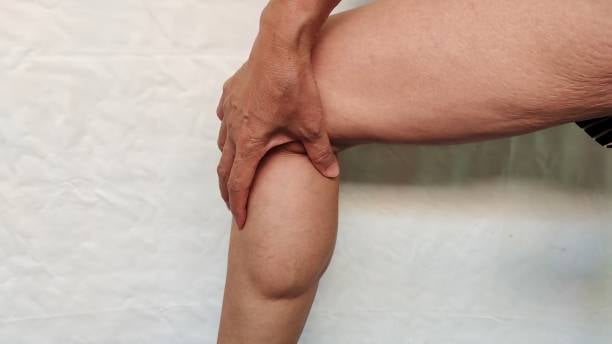
Understanding Lipedema and Its Impact on Patient Care
Lipedema is a chronic condition that affects the distribution of fat tissue, mainly around the legs, hips, and arms. It is often misunderstood or confused with general weight-related concerns, which can delay proper recognition and management. Providing healthcare professionals with accurate knowledge about this condition plays an important role in improving patient outcomes and ensuring individuals receive appropriate guidance.
In Riyadh, awareness about Lipedema in Riyadh is becoming increasingly important as more patients seek answers for symptoms that may have previously been overlooked. Healthcare providers who understand the signs, progression, and available management approaches can help patients receive timely support. Many individuals searching for lipedema treatment near me are looking for specialized care and professionals who can identify their condition accurately.
The Importance of Lipedema Education for Healthcare Providers
Recognizing the Signs and Symptoms of Lipedema
Healthcare providers play a key role in identifying lipedema during patient evaluations. Common signs may include symmetrical swelling, tenderness in affected areas, easy bruising, and an imbalance between the upper and lower body shape. Unlike regular fat accumulation, lipedema tissue often has unique characteristics that require a more specialized understanding.
Early recognition allows healthcare professionals to provide better recommendations and guide patients toward suitable care options. Educating providers about these differences helps reduce misdiagnosis and improves the overall healthcare experience for individuals affected by the condition.
Understanding the Progression of Lipedema
Lipedema can progress over time if not properly managed. The condition may develop through different stages, with changes in tissue texture, discomfort, and mobility concerns becoming more noticeable. Healthcare providers who understand its progression can monitor symptoms effectively and support patients with appropriate long-term strategies.
Continuous education helps professionals stay informed about current approaches for managing lipedema and addressing the physical and emotional challenges patients may experience throughout their journey.
How Healthcare Providers Can Support Lipedema Patients
Providing Accurate Diagnosis and Guidance
A proper evaluation is an essential step in helping patients understand their condition. Healthcare providers should consider patient history, symptoms, and physical characteristics when assessing possible cases of lipedema. A detailed approach can help distinguish lipedema from other conditions that may have similar appearances.
Clear communication between healthcare providers and patients creates trust and allows individuals to make informed decisions regarding their health. Educating patients about their condition also helps them understand that lipedema is a medical concern requiring specialized attention.
Creating a Patient-Centered Approach
Every patient experiences lipedema differently, which makes personalized care an important part of management. Healthcare providers can support patients by addressing their concerns, explaining available options, and encouraging healthy lifestyle practices that complement professional care.
A patient-centered approach focuses not only on physical symptoms but also on improving confidence, comfort, and quality of life. When providers are well-informed, they can offer more effective support throughout the patient’s healthcare journey.
Advancing Lipedema Awareness in Riyadh
Increasing awareness among healthcare professionals is essential for improving lipedema care in Riyadh. Training, education, and access to reliable information allow providers to recognize this condition more effectively and provide better patient support.
As awareness continues to grow, more individuals can benefit from early identification and appropriate guidance. Educated healthcare professionals contribute to building a stronger healthcare environment where patients feel understood and receive the attention they need.
Frequently Asked Questions
What is lipedema and how does it affect the body?
Lipedema is a chronic condition involving abnormal fat tissue distribution, commonly affecting the legs, hips, and arms. It may cause swelling, tenderness, and discomfort that require specialized evaluation and management.
Why is healthcare provider education important for lipedema?
Healthcare provider education helps improve recognition, reduce confusion with other conditions, and ensure patients receive suitable guidance and support at the right time.
How can lipedema be identified by healthcare professionals?
Healthcare professionals identify lipedema through patient history, symptom evaluation, and physical assessment. Understanding common characteristics of the condition helps improve diagnostic accuracy.
Can lipedema management improve a patient’s quality of life?
Yes, proper management and professional guidance can help patients address symptoms, improve comfort, and better manage the challenges associated with lipedema.
Why is awareness about lipedema increasing in Riyadh?
Growing health awareness and access to specialized information have encouraged more people to seek evaluation and learn about conditions like lipedema.
Consultation at Enfield Royal Clinic
For individuals seeking professional guidance and personalized support for lipedema concerns, consulting experienced healthcare specialists can be an important step toward understanding available options. Enfield Royal Clinic provides a patient-focused approach with advanced healthcare services designed to support individuals through their aesthetic and medical journeys.