
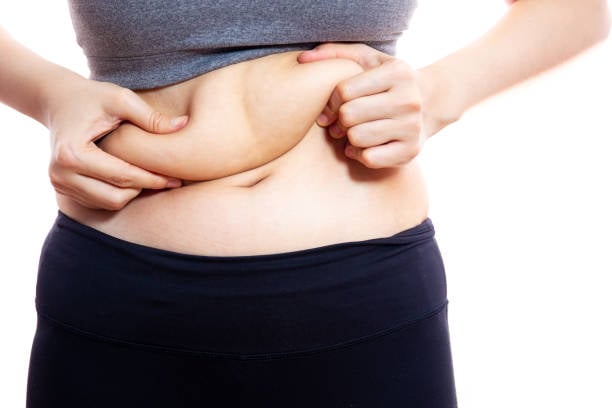
Thigh liposuction is a cosmetic procedure designed to remove stubborn fat deposits and create a more balanced, contoured appearance in the legs. Some people maintain a healthy lifestyle, exercise regularly, and follow a balanced diet but still struggle with excess fat around their inner or outer thighs. These areas can be particularly resistant to traditional weight management efforts. Understanding how the procedure works, what happens during treatment, and what recovery involves can help you make an informed decision about improving your body contours.
Liposuction in Riyadh(شفط الدهون في الرياض) is an option for individuals who want to address localized fat deposits and achieve more defined thigh contours. The procedure focuses on removing unwanted fat rather than treating obesity or replacing healthy lifestyle habits. Before considering treatment, it is important to understand the available techniques, expected results, recovery process, and factors that influence whether someone is a suitable candidate.
What Is Thigh Liposuction?
Thigh liposuction is a cosmetic body-contouring procedure that removes excess fat from specific areas of the thighs. It is commonly considered by individuals who experience disproportionate fat accumulation despite maintaining a relatively stable weight.
The treatment can target different areas depending on individual needs. These may include the inner thighs, outer thighs, front thighs, and the area around the knees. The overall objective is to improve body proportions and create smoother transitions between the thighs and surrounding areas.
Which Areas of the Thighs Can Be Treated?
Inner Thigh Liposuction
Inner thigh liposuction targets excess fat between the upper legs. Some individuals experience unwanted fullness in this area, which can cause the thighs to rub together while walking or exercising. Removing localized fat can help create a more defined appearance and improve the overall contour of the legs.
Outer Thigh Liposuction
Outer thigh liposuction focuses on fat deposits around the hips and outer upper legs, sometimes referred to as saddlebag areas. Treatment aims to create smoother body proportions by reducing excess fullness and improving the natural shape of the thighs.
Front and Knee Area Liposuction
Fat can also accumulate along the front of the thighs and around the inner knee area. Depending on the patient's anatomy and treatment goals, these areas may be considered for contouring to create a more balanced appearance.
What to Expect During the Thigh Liposuction Procedure
Before treatment, a consultation and physical assessment help determine whether thigh liposuction is appropriate. The treatment area, skin elasticity, general health, and personal expectations are considered when developing an individualized plan.
During the procedure, the treatment area is prepared, and anesthesia is administered according to the surgical plan. Small incisions are made in suitable locations, allowing a thin cannula to be inserted beneath the skin. The cannula is used to loosen and remove targeted fat deposits.
The procedure's duration depends on the number of areas being treated and the complexity of the treatment. Once the fat removal is complete, the incisions are managed according to the surgical approach, and compression garments may be recommended.
Recovery After Thigh Liposuction
Recovery is an important part of achieving satisfactory results. Patients may experience swelling, bruising, tenderness, and temporary discomfort in the treated areas. These effects are generally expected during the initial healing period.
The First Few Days
During the first few days, rest and following post-treatment instructions are essential. Patients may need assistance with certain daily activities, depending on the extent of treatment. Gentle movement may be encouraged when medically appropriate.
The Following Weeks
Swelling and bruising gradually improve over the following weeks. Compression garments may help support the treated areas and manage swelling. Patients should avoid strenuous exercise and return to normal activities according to their surgeon's recommendations.
When Will Results Become Visible?
Initial changes may become noticeable as swelling decreases. However, the final contours can take several months to develop. Individual healing patterns, skin elasticity, and the amount of fat removed can influence the appearance of the results.
Who Is a Suitable Candidate for Thigh Liposuction?
Thigh liposuction may be suitable for adults who have localized fat deposits, maintain a relatively stable weight, and have realistic expectations about cosmetic improvement.
Good skin elasticity can contribute to smoother results because the skin needs to adjust to the new underlying contours. Individuals with significant loose skin may require a different approach. A professional medical assessment is important to evaluate overall health, suitability, and potential risks before proceeding.
How to Maintain Your Results After Treatment
Maintaining a stable weight is important after thigh liposuction. Although the removed fat cells do not typically return, remaining fat cells can enlarge if significant weight gain occurs.
A balanced diet, regular physical activity, adequate hydration, and consistent healthy habits can help preserve the improved body contours. Following medical advice throughout recovery also supports the healing process.
Frequently Asked Questions
1. Is thigh liposuction a weight-loss procedure?
No. Thigh liposuction is a body-contouring treatment designed to remove localized fat deposits. It is not intended to replace weight management, exercise, or a balanced diet.
2. Can both inner and outer thighs be treated together?
Yes, both areas may be treated during the same procedure when medically appropriate. The treatment plan depends on the patient's anatomy, health, and desired results.
3. Is thigh liposuction painful?
Anesthesia helps manage discomfort during the procedure. Some soreness, swelling, and tenderness may occur afterward, but these effects can generally be managed with appropriate medical guidance.
4. How long does it take to recover from thigh liposuction?
Initial recovery may take several weeks, although swelling can continue to improve over several months. Recovery time varies depending on the treatment extent and individual healing.
5. Are the results of thigh liposuction permanent?
Fat cells removed during liposuction are generally permanently eliminated. However, remaining fat cells can increase in size with weight gain, so maintaining a stable weight is important.
Book Your Consultation at Enfield Royal Clinic
If you are considering thigh contouring and want to understand whether the procedure suits your goals, a professional consultation is an important first step. At Enfield Royal Clinic(انفيلد رويل كلينك), patients can discuss their concerns, explore suitable treatment options, and receive personalized guidance based on their body-contouring goals. Take the first step toward making an informed decision about your aesthetic journey.