
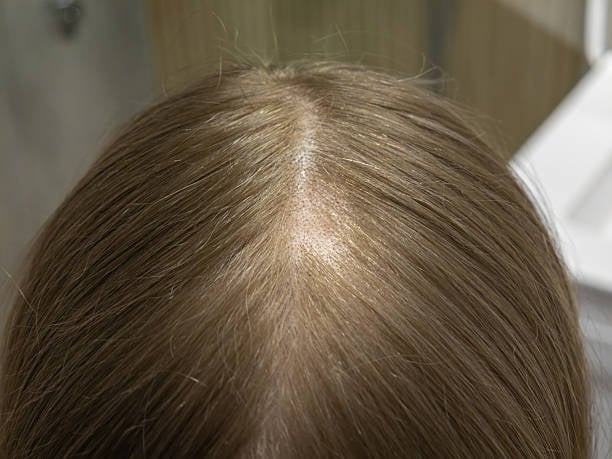
Alopecia areata is an autoimmune condition that causes hair loss when the immune system mistakenly attacks healthy hair follicles. It commonly appears as small, round patches of hair loss on the scalp, although it can also affect the eyebrows, beard, and other areas of the body. For people experiencing ongoing or widespread hair loss, Alopecia Areata Treatment in Riyadh may include different medical approaches, including oral medications that help manage the immune response and support hair regrowth.
Many patients search for alopecia areata treatment near me because they want to understand which treatments are available and whether oral medication is suitable for their condition. These medications work differently depending on the type and severity of hair loss. Understanding their benefits, possible side effects, and treatment requirements can help patients make informed decisions with a qualified medical professional.
How Do Oral Medications Work for Alopecia Areata?
Oral medications are taken by mouth and work inside the body to manage the immune response responsible for alopecia areata. Since this condition develops when the immune system attacks hair follicles, certain medicines help reduce the inflammation or immune activity affecting hair growth.
The main goal is to control the condition and create a better environment for hair follicles to produce new hair. However, results vary between individuals, and not every patient responds in the same way. A medical assessment is important before starting any oral treatment.
Common Oral Medications Used for Alopecia Areata
Different medications may be recommended depending on how much hair has been lost, how quickly the condition is progressing, and the patient's general health.
JAK Inhibitors
Janus kinase (JAK) inhibitors are among the newer medical options for certain patients with severe alopecia areata. These medications target specific pathways involved in the immune response that contributes to hair follicle damage. Some JAK inhibitors are approved for particular forms of severe hair loss, depending on the country and individual eligibility.
Hair regrowth may take several months, and regular medical monitoring is necessary because these medicines can have important side effects and health risks.
Corticosteroid Tablets
Oral corticosteroids may sometimes be prescribed to reduce immune system activity and control inflammation. They can be considered in selected cases, particularly when hair loss is extensive or progressing quickly.
However, these medicines are generally not suitable for long-term use because they may cause side effects such as weight changes, increased blood pressure, sleep disturbances, and changes in blood sugar levels. Treatment duration and dosage should always be determined by a medical professional.
Other Immune-Modulating Medications
In certain situations, specialists may consider other medicines that influence immune system activity. Their suitability depends on the patient's medical history, condition severity, and previous treatment response. These options require careful evaluation because they may not be appropriate for everyone.
Who May Benefit From Oral Alopecia Areata Treatment?
Oral medications are not necessary for every person experiencing alopecia areata. Patients with a few small patches may respond to other treatment approaches, while those with extensive or persistent hair loss may need more comprehensive medical management.
People experiencing widespread scalp hair loss, repeated episodes, or significant progression may be considered for oral medication after a detailed assessment. The treatment plan should also consider age, existing health conditions, current medications, and individual risk factors.
What Should You Expect During Treatment?
Starting oral medication involves more than simply taking a tablet every day. Patients usually need an initial consultation, a review of their medical history, and sometimes blood tests before treatment begins.
Monitoring Your Progress
Hair regrowth does not happen immediately. Depending on the medication, visible improvements may take several months. Follow-up appointments help assess treatment response and identify any unwanted effects.
Understanding Possible Side Effects
Some oral medications can affect the immune system and increase the risk of infections or other health complications. Patients may require regular blood tests and medical monitoring. It is important to report unusual symptoms and never change or stop prescribed medication without professional advice.
Choosing the Right Approach for Alopecia Areata in Riyadh
Selecting an appropriate treatment requires understanding the underlying condition rather than focusing only on visible hair loss. A qualified medical professional can examine affected areas, review the patient's history, and recommend suitable options.
Patients should ask about expected results, treatment duration, possible side effects, and follow-up requirements. They should also understand that alopecia areata can sometimes return, even after successful hair regrowth. Consistent monitoring and realistic expectations are important parts of long-term care.
Frequently Asked Questions
1. Can oral medications completely cure alopecia areata?
There is currently no guaranteed permanent cure for alopecia areata. However, certain oral medications can help control the immune response and encourage hair regrowth in eligible patients.
2. How long does oral treatment take to show results?
Results depend on the medication and the severity of hair loss. Some patients may notice improvement after several months, while others may require a longer treatment period.
3. Are oral medications suitable for everyone with alopecia areata?
No. Treatment depends on the extent of hair loss, age, medical history, and potential side effects. A medical assessment is necessary before starting medication.
4. Can alopecia areata return after treatment?
Yes. Hair regrowth does not always mean the condition has permanently disappeared. Some patients experience recurring patches or further episodes of hair loss.
5. Do oral medications have side effects?
Yes. Depending on the medicine, possible side effects include infections, changes in blood pressure, blood sugar changes, and other health complications. Medical supervision is essential.
Book Your Consultation at Enfield Royal Clinic
Understanding your hair loss is the first step towards choosing an appropriate treatment. At Enfield Royal Clinic, patients can explore suitable options for alopecia areata following an individual assessment. Book a consultation to discuss your symptoms, understand available oral medications, and receive guidance on managing your hair loss with a treatment plan suited to your needs.