
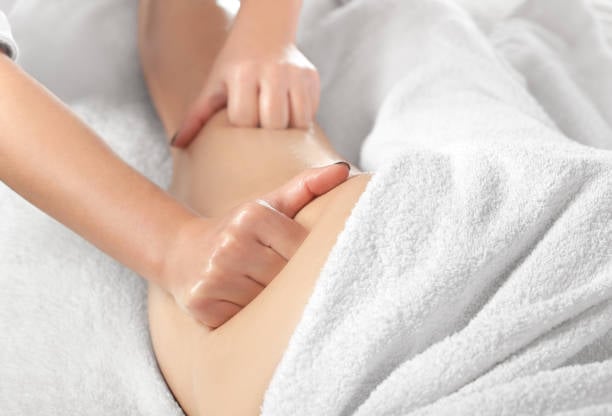
Preparing for a lymphatic massage involves understanding the treatment, knowing what to expect, and following a few simple steps to make your experience comfortable. Lymphatic massage is a gentle technique designed to encourage the movement of lymph fluid through the lymphatic system, which plays an important role in maintaining fluid balance and supporting immune function. Proper preparation can help you feel relaxed and informed before your appointment.
When exploring Lymphatic massage clinics in Riyadh(عيادات مساج لمفاوي الرياض), it is important to choose a professional setting where your health needs, comfort, and treatment goals receive appropriate attention. Understanding the preparation process can help you ask relevant questions, communicate your concerns, and make informed decisions about whether lymphatic massage is suitable for you. Whether you are considering this treatment for swelling management or general wellness, knowing what to expect can make your visit more reassuring.
Understanding Lymphatic Massage Before Your Appointment
What Is Lymphatic Massage?
Lymphatic massage, also known as manual lymphatic drainage, is a specialized technique that uses gentle, rhythmic movements to encourage lymph fluid to move through the lymphatic vessels. Unlike traditional massage, which may involve deeper pressure to address muscle tension, lymphatic massage generally uses light pressure and carefully directed movements.
The treatment may be recommended in certain situations involving fluid buildup, including some cases of lymphedema. However, its suitability depends on your individual health condition and treatment goals. It is not a weight-loss treatment or a substitute for medical care, and its benefits vary depending on the reason it is being performed.
Who May Benefit From Lymphatic Massage?
People experiencing certain types of swelling or fluid retention may benefit from professionally guided lymphatic drainage. It may also form part of a broader recovery plan when recommended by a qualified healthcare professional. However, not everyone is an appropriate candidate.
If you have unexplained swelling, an active infection, a history of blood clots, significant heart or kidney problems, or another serious medical condition, seek medical advice before scheduling a session. Sudden swelling, particularly when accompanied by pain, redness, chest pain, or shortness of breath, requires prompt medical assessment rather than massage.
How to Prepare for a Lymphatic Massage in Riyadh
Share Your Medical History
Before your appointment, prepare to discuss your medical history, current medications, previous surgeries, and any symptoms you are experiencing. This information helps the practitioner assess whether the treatment is appropriate and whether medical clearance is necessary.
Be honest about existing health conditions and any recent procedures. If you are considering lymphatic massage after cosmetic surgery, follow your surgical team's instructions and obtain approval before beginning treatment. Postoperative massage should be performed only when appropriate, with techniques suited to your recovery needs.
Stay Hydrated and Eat Comfortably
Maintaining your usual hydration habits is a sensible way to prepare for your session. Drink water according to your normal needs, unless your healthcare professional has advised you to restrict fluids. There is no need to drink excessive amounts of water before treatment.
Consider having a light, comfortable meal rather than arriving extremely hungry or immediately after a heavy meal. This can help you remain comfortable while lying down during the session. Avoid making sudden dietary changes or following detox routines simply because you are receiving a lymphatic massage.
Wear Comfortable Clothing
Choose loose-fitting clothes that are easy to change out of if necessary. Comfortable clothing can make your arrival and departure more convenient, particularly if the treatment involves specific areas of the body.
You may also want to arrive a little early to complete any required health questionnaire and discuss your expectations. Use this opportunity to ask about the treatment process, hygiene practices, practitioner qualifications, and any precautions relevant to your circumstances.
What to Expect During Your Session
The Treatment Process
A typical session begins with a discussion of your health history and the areas you would like to address. The practitioner may explain the technique and confirm that it is appropriate for you before proceeding.
During manual lymphatic drainage, gentle, repetitive movements are applied to selected areas of the body. The pressure should generally remain light, and the experience should not feel painful. Tell the practitioner immediately if you experience discomfort, dizziness, or any unusual symptoms.
The length and frequency of sessions depend on your individual needs and the reason for treatment. Some people may require a structured treatment plan as part of medical care, while others may not need lymphatic massage at all.
Aftercare Following Lymphatic Massage
After your appointment, take time to notice how you feel and follow any individualized aftercare instructions. Continue your normal hydration routine and return to everyday activities as advised by your practitioner.
Do not assume that frequent urination, sweating, or an immediate change in body shape is necessary for the treatment to be effective. Lymphatic massage does not remove body fat, and temporary changes in swelling should not be confused with permanent weight loss.
If swelling increases, pain develops, or you experience other concerning symptoms after treatment, seek appropriate medical advice.
Choosing the Right Lymphatic Massage Clinic
Selecting a suitable provider is an important part of preparing for your appointment. Look for a clinic that prioritizes hygiene, conducts an appropriate health assessment, and explains the procedure and its limitations clearly.
When researching Lymphatic massage in Riyadh, ask whether the practitioner has relevant training in lymphatic drainage and experience with your specific needs. If you are seeking treatment after surgery or for a diagnosed medical condition, confirm that the provider can coordinate care with your healthcare team when necessary.
A trustworthy clinic should never guarantee unrealistic results or pressure you into unnecessary sessions. Clear communication, individualized recommendations, and appropriate safety precautions are essential for a positive treatment experience.
Frequently Asked Questions
1. Should I eat before a lymphatic massage?
Yes, you can eat normally before your appointment. A light meal may help you feel comfortable, but avoid arriving immediately after a particularly heavy meal if that makes you uncomfortable.
2. How much water should I drink before my session?
Maintain your usual hydration habits and follow any medical fluid restrictions you have been given. Drinking excessive amounts of water is unnecessary.
3. Is lymphatic massage painful?
Manual lymphatic drainage generally involves gentle pressure and should not be painful. Inform your practitioner if you experience discomfort during the session.
4. Can I have a lymphatic massage after cosmetic surgery?
Possibly, but only when your surgical team confirms that it is appropriate. The timing and technique depend on your procedure, healing progress, and individual medical circumstances.
5. How often should I schedule lymphatic massage?
The recommended frequency depends on your health condition and treatment goals. A qualified practitioner can discuss an appropriate plan after assessing your needs.
Book a Consultation at Enfield Royal Clinic
Preparing properly for a lymphatic massage begins with understanding your needs, reviewing relevant health considerations, and choosing an appropriate treatment provider. Enfield Royal Clinic(عيادة إنفيلد الملكية) can be your starting point for discussing your concerns and exploring available treatment options. Contact the clinic to ask about lymphatic massage services, suitability assessments, and the preparation steps recommended for your individual circumstances.