
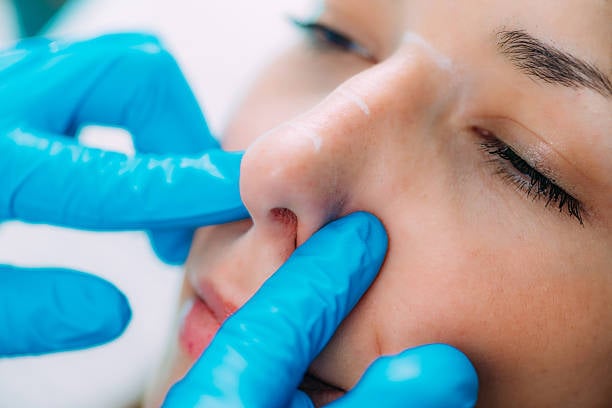
Choosing to undergo rhinoplasty is an important personal decision that requires careful thought, realistic expectations, and a clear understanding of the procedure. Rhinoplasty in Riyadh is an option for adults who wish to address concerns about the shape, size, symmetry, or function of their nose. Before moving forward, asking the right questions during your consultation can help you understand the treatment process and make a confident, informed decision.
Many patients researching nose surgery in saudi arabia price also want to know what the procedure involves, how long recovery takes, and whether surgery can address their individual concerns. Although financial considerations may influence planning, understanding the surgeon’s experience, surgical approach, potential risks, and expected outcomes is equally important. A thorough consultation gives you the opportunity to discuss your goals and determine whether rhinoplasty is suitable for you.
Why Is It Important to Ask Questions Before Rhinoplasty?
Rhinoplasty involves modifying the nose's structure to address cosmetic concerns, breathing difficulties, or both. Because every nose has a different shape and internal structure, treatment requires an individualized approach. Asking questions before surgery helps you understand the proposed changes and the limitations of the procedure.
Your consultation should be an open conversation in which you feel comfortable discussing your concerns. A qualified surgeon should explain the available options, review your medical history, and discuss the potential benefits and risks without promising a perfect result. This discussion also helps establish realistic expectations about your appearance and recovery.
Essential Questions to Ask Your Rhinoplasty Surgeon
What Experience Do You Have With Rhinoplasty?
Ask about the surgeon’s qualifications, training, and experience performing rhinoplasty procedures. You can also ask whether they regularly treat concerns similar to yours, such as a prominent nasal bridge, a wide nasal tip, asymmetry, or previous surgical complications. Reviewing appropriate before-and-after photographs may help you understand their approach to different nasal shapes, although individual results vary.
Which Rhinoplasty Technique Is Suitable for Me?
Rhinoplasty may be performed using an open or closed surgical approach, depending on the patient's anatomy and treatment goals. Open rhinoplasty involves a small incision across the tissue between the nostrils, while closed rhinoplasty uses incisions inside the nose. Neither technique is automatically better for everyone.
Ask why the surgeon recommends a particular approach and how it may affect your recovery and results. If you have breathing difficulties, discuss whether functional concerns can be addressed alongside cosmetic changes.
What Results Can I Realistically Expect?
One of the most important questions concerns the outcome you can reasonably expect from surgery. Explain which features you would like to change and ask how those changes might complement your existing facial proportions. Computer simulations, when available, can help facilitate discussion, but they cannot guarantee the final result.
A responsible surgeon should explain what is achievable based on your nasal anatomy, skin thickness, and healing characteristics. The goal should be an appropriate result that considers both facial balance and nasal function.
What Are the Risks and Possible Complications?
Every surgical procedure carries risks, and rhinoplasty is no exception. Ask about possible complications, including bleeding, infection, persistent swelling, breathing problems, changes in sensation, asymmetry, and dissatisfaction with the outcome. You should also understand whether revision surgery might be necessary in some circumstances.
Discuss your medical conditions, allergies, medications, and previous surgeries honestly. This information helps the surgical team assess your suitability and plan appropriate precautions.
What Should You Know About Recovery?
How Long Will Recovery Take?
Recovery varies depending on the surgical technique, the extent of the changes, and your individual healing process. Ask when you can return to work, exercise, social activities, and other daily responsibilities. Your surgeon should explain how to manage swelling, bruising, discomfort, and any nasal splint or dressing.
Although many patients resume light activities within a couple of weeks, swelling can take considerably longer to settle. Subtle changes in nasal definition may continue for a year or longer. Following aftercare instructions and attending scheduled follow-up appointments are essential parts of recovery.
What Preparation Is Required Before Surgery?
Ask whether you need medical assessments, laboratory tests, or adjustments to your medications before the procedure. Your surgical team may advise you to stop smoking, avoid certain medications or supplements, and arrange transportation and assistance during the initial recovery period. Never stop prescribed medication without appropriate medical guidance.
Frequently Asked Questions
How do I know if I am a suitable candidate for rhinoplasty?
Suitable candidates are generally adults in good overall health who have specific concerns about nasal appearance or function. A consultation helps assess your anatomy, medical history, expectations, and readiness for surgery.
Can rhinoplasty improve breathing problems?
Rhinoplasty may improve breathing when structural issues are addressed as part of the procedure. However, the cause of breathing difficulties must first be evaluated, and improvement cannot be guaranteed in every case.
Is rhinoplasty a painful procedure?
Patients commonly experience congestion, pressure, swelling, and discomfort during the early recovery period. Your surgical team can recommend appropriate pain management and explain which symptoms require medical attention.
When will I see the final rhinoplasty results?
Initial changes may be visible after the splint is removed, but swelling can obscure the final shape. Refinement continues over several months, and the nose may take a year or longer to settle fully.
Can I ask for a natural-looking result?
Yes. You can explain your preference for subtle changes that complement your facial features. Your surgeon can discuss what is realistically achievable while preserving appropriate nasal structure and function.
Book Your Rhinoplasty Consultation at Enfield Royal Clinic
If you are considering Rhinoplasty in Riyadh, taking time to ask questions can help you make a more informed decision about your treatment. At Enfield Royal Clinic, you can discuss your concerns, learn about suitable treatment options, and understand the consultation and recovery process. Arrange an assessment to explore your goals, receive an individualized evaluation, and determine the next steps that are appropriate for you.