
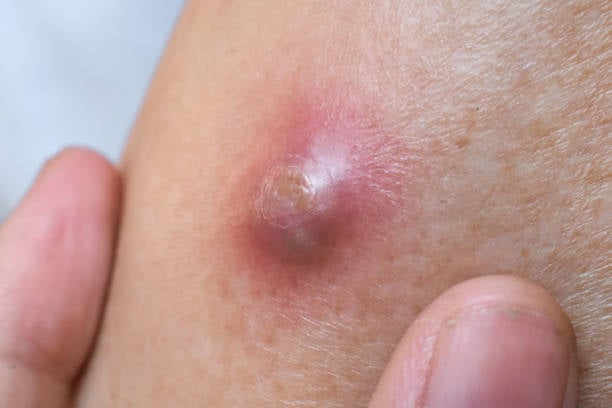
Sebaceous cyst removal is a common procedure that can help relieve discomfort, reduce irritation, and improve the appearance of the skin. However, proper aftercare is essential for supporting healing and minimizing the risk of visible scarring. Understanding how to care for the treated area can help you achieve a smoother recovery and make informed decisions about any additional treatments that may be recommended.
When researching Sebaceous Cyst Removal Cost In Riyadh, it is important to consider more than the removal procedure itself. The overall treatment plan may include wound care, follow-up visits, scar management, and other services depending on the cyst's location and the healing process. People searching for sebaceous cyst surgery cost should also understand that scar care needs vary from person to person, and not everyone requires additional treatment.
Why Is Scar Care Important After Cyst Removal?
Scar care helps protect healing skin and supports the development of a healthy, less noticeable scar. Although many cyst removal wounds heal without significant complications, the final appearance depends on several factors, including the size and depth of the cyst, the surgical technique, skin characteristics, and the body's natural healing response.
Keeping the wound clean, following aftercare instructions, and avoiding unnecessary pressure on the treated area can support recovery. Proper care may also reduce the likelihood of irritation and wound complications that could affect the appearance of the scar.
Factors That Influence Scar Formation
The location of the cyst can influence how noticeable the scar becomes. Areas exposed to frequent movement or tension may take longer to heal. Some individuals are also more likely to develop raised or thickened scars, particularly if they have previously experienced hypertrophic scars or keloids.
The condition of the skin before removal also matters. Repeated inflammation, infection, or attempts to squeeze a cyst can damage surrounding tissue and potentially complicate healing.
Potential Additional Expenses After Cyst Removal
Scar management does not necessarily require extra procedures. In many cases, following the recommended wound care routine is sufficient. However, some patients may need additional products, appointments, or treatments depending on their recovery.
Wound Care Products and Dressings
After removal, the treated area may require suitable dressings, cleaning products, or ointments recommended by the healthcare professional. These supplies help protect the wound and maintain appropriate hygiene during healing. The type and duration of wound care depend on the procedure and the condition of the skin.
Patients should avoid applying unapproved products to an open wound because certain ingredients may cause irritation or interfere with healing.
Silicone Gels and Scar Sheets
Once the wound has completely closed, silicone gels or sheets may be recommended to help manage certain raised scars. These products can support scar treatment over time, although results vary and they are not necessary for every patient.
The need for these products depends on the scar's appearance, individual skin characteristics, and professional advice.
Follow-Up Appointments
Follow-up visits allow the healthcare professional to assess healing, check for signs of infection, and determine whether additional scar management is appropriate. Some patients may need only one review, while others may require further assessment if healing is delayed or the scar becomes uncomfortable.
Professional Scar Treatments
In some cases, a prominent or persistent scar may benefit from professional treatment. Depending on the type of scar, available options may include corticosteroid injections for certain raised scars, laser treatments, or other specialist procedures. These treatments are not suitable for everyone, and they should only be considered after an appropriate assessment.
How to Minimize Scarring After Cyst Removal
Follow Aftercare Instructions
Follow the instructions provided by your healthcare professional regarding cleaning, dressing changes, and activity restrictions. Avoid picking at the wound or removing scabs prematurely, as this may delay healing and increase the risk of a more noticeable scar.
Protect the Healing Skin From Sun Exposure
Once the wound has closed, protect the area from excessive sun exposure. Ultraviolet radiation can make healing scars appear darker or more noticeable. Use appropriate sun protection on healed skin when recommended, and avoid applying sunscreen directly to an open wound unless specifically instructed.
Recognize Signs of Complications
Increasing redness, worsening pain, warmth, swelling, pus, or fever may indicate an infection or another complication. Seek medical advice promptly if these symptoms develop. Early assessment can help address problems before they interfere further with healing.
What Should You Consider Before Choosing Cyst Removal?
When selecting a clinic, look for appropriate medical assessment, clear aftercare instructions, and access to follow-up support. Ask what the procedure involves, how the wound will be managed, and whether scar treatment might be appropriate for your particular case.
It is also important to confirm the diagnosis before treatment. Not every skin lump is a sebaceous cyst, and some lesions may require further examination or laboratory assessment after removal.
Understanding the healing process helps you set realistic expectations. A scar may gradually become less noticeable over several months, but complete disappearance cannot be guaranteed.
Frequently Asked Questions
Can cyst removal leave a permanent scar?
Yes, cyst removal can leave a permanent scar, although its size and appearance vary. Proper wound care and appropriate scar management can help improve the final appearance.
Does everyone need scar treatment after cyst removal?
No. Many patients heal well without additional scar treatments. Further care may be considered if the scar becomes raised, uncomfortable, discolored, or particularly noticeable.
When can I start using silicone scar products?
Silicone products are generally used after the wound has fully closed and healed sufficiently. Follow your healthcare professional's instructions before applying them.
Can a scar become more noticeable after cyst removal?
Yes. Infection, wound tension, individual skin characteristics, and excessive sun exposure can affect the scar's appearance. Appropriate aftercare can help reduce some of these risks.
How long does a cyst removal scar take to heal?
The initial wound may heal within a few weeks, depending on its size and location. However, scar remodeling can continue for several months, and the final appearance may take time to develop.
Book a Short Consultation at Enfield Royal Clinic
If you are considering cyst removal or have concerns about scar care, a professional consultation can help you understand the procedure, expected healing process, and possible follow-up needs. Enfield Royal Clinic can be your starting point for discussing your skin concerns and exploring suitable treatment options. Seek an individualized assessment to understand which approach best supports your skin health and recovery.