
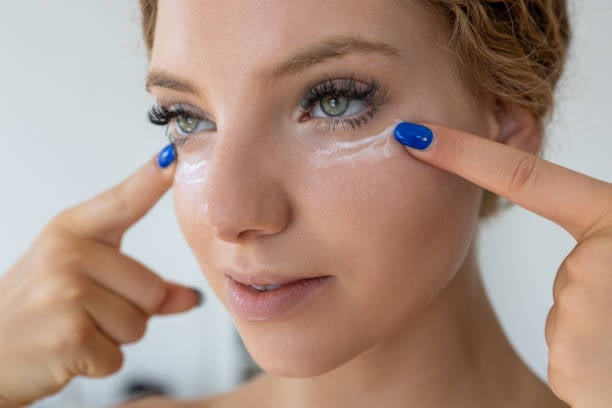
The delicate area surrounding our eyes is often the very first place to show unmistakable signs of aging, fatigue, or stress. For many individuals looking to refresh their appearance, addressing puffiness and chronic swelling under the eyes becomes a top priority. However, achieving a natural, youthful, and vibrant look is not as simple as applying a generic treatment to every face. Truly successful outcomes rely heavily on a deep, individualized understanding of unique structural features. A personalized approach ensures that the chosen intervention harmonizes perfectly with the rest of the facial features while directly targeting the underlying causes of tiredness.
When considering options for rejuvenation, understanding how underlying structures dictate the treatment plan is essential. Choosing Eye Bag Removal in Riyadh requires a detailed analysis of the skin, fat pads, and muscle layers unique to each person. A comprehensive evaluation allows specialists to determine whether a surgical approach or a non-surgical Eye Bag Reduction Treatment in Riyadh is the most effective path forward. By prioritizing the natural blueprint of the face, individuals can achieve lasting, balanced results that enhance their overall appearance without looking overdone or artificially altered.
Understanding the Complex Layers Around the Eyes
The periorbital region, which is the medical term for the area surrounding the eye, is an intricate masterpiece of overlapping tissues. It consists of incredibly thin skin, a specialized layer of muscle, a retaining membrane known as the orbital septum, and distinct pockets of fat. In a youthful face, these components work together seamlessly to create a smooth, continuous transition from the lower eyelid to the upper cheek. Over time, changes in any of these layers can disrupt this smooth transition, leading to the shadow lines and puffiness commonly referred to as bags under the eyes.
The Impact of Eyelid Skin Thinness
The skin of the lower eyelid is famously the thinnest on the entire human body, making it highly susceptible to premature aging and structural changes. As the years progress, the natural production of collagen and elastin slows down, causing the skin to lose its inherent elasticity and firmness. When this structural support weakens, the skin begins to stretch and sag under the weight of the underlying tissues. Furthermore, because this skin is so remarkably thin, any changes in the deeper fat pads or vascular network become instantly visible on the surface, requiring a strategy that addresses both skin quality and volume.
The Shift of Orbital Fat Pads
Directly beneath the skin and muscle layers lie three distinct pockets of fat that cushion the eyeball within its bony socket. In youth, a firm fibrous barrier called the orbital septum keeps this fat neatly contained. However, as this barrier naturally weakens with age, or due to genetic predisposition, the fat pads begin to bulge forward. This protrusion creates the physical puffiness that many people struggle to conceal with makeup. Anatomical planning allows specialists to map exactly which of these three pockets are herniating, ensuring that fat is precisely repositioned or removed rather than leaving the area looking hollow.
The Tear Trough Deformity and Cheek Junction
Another crucial anatomical factor is the tear trough, which is the deep groove that runs from the inner corner of the eye down toward the cheek. Often, what appears to be a massive under-eye bag is actually an illusion created by a deep tear trough directly beneath it. As the cheek tissues lose volume and slide downward over time, the boundary between the lower eyelid and the cheek becomes elongated and stark. Evaluating this specific junction helps determine if a patient needs structural support at the top of the cheekbone to effectively smooth out the entire lower eye zone.
Tailoring the Procedure to Structural Blueprint
Every individual possesses a distinct skeletal framework and tissue distribution that dictates how they age and how they will respond to aesthetic adjustments. A comprehensive anatomical assessment prevents the pitfall of a one-size-fits-all treatment, which can often result in an unnatural or pulled appearance. By carefully measuring the distance between the eye and the cheekbone, evaluating skin laxity, and checking the strength of the lower lid support, a customized plan is crafted to restore balance and symmetry.
Surgical Precision vs Non Surgical Refinement
For individuals experiencing significant muscle laxity and severe fat protrusion, a surgical intervention known as blepharoplasty is often the most definitive solution. This approach allows for the direct repositioning of displaced fat and the gentle trimming of excess, sagging skin. Conversely, for individuals with mild to moderate puffiness or deep tear troughs without extreme skin laxity, advanced non-surgical techniques can work wonders. Utilizing targeted dermal fillers or energy-based tightening devices can restore lost volume and smooth out shadows, offering a refreshed look with minimal downtime.
Preserving Natural Expressions and Symmetry
The ultimate goal of any under-eye rejuvenation plan is to deliver a look that is completely natural, refreshed, and entirely you. Over-correcting the area by removing too much fat can result in a hollow, aged, or skeletal appearance that robs the face of its natural warmth. Modern techniques focus heavily on fat transposition, a method where the patient's own displaced fat is shifted into the hollow spaces of the tear trough rather than being thrown away. This preserves the natural contours of the face, ensures beautiful light reflection, and maintains the authentic expressions that make your smile uniquely yours.
Frequently Asked Questions
What causes bags to form under the eyes?
Bags under the eyes are primarily caused by a combination of genetics, the natural aging process, and structural shifts in facial anatomy. As the fibrous membrane holding the under-eye fat pads weakens, the fat bulges forward, creating a puffy appearance. This is often worsened by skin laxity and a loss of volume in the upper cheek area.
How does a specialist determine the right treatment for my under-eye bags?
A specialist will perform a detailed analysis of your unique facial structure, checking the elasticity of your skin, the degree of fat protrusion, and the depth of your tear trough. Based on how these anatomical layers interact, they will recommend either a surgical procedure to remove or reposition tissue or a non-surgical treatment to restore volume and tightness.
Is the recovery process long for under-eye rejuvenation?
The recovery time depends entirely on the specific technique used during your session. Non-surgical options usually involve minimal to no downtime, allowing you to return to daily activities almost immediately with only mild swelling. Surgical options require a bit more patience, with most swelling and minor bruising resolving within one to two weeks.
Will the results of the procedure look natural?
Yes, when the treatment is meticulously planned according to your individual facial anatomy, the results look remarkably natural and balanced. By focusing on restoring the smooth transition between the lower eyelid and the cheek rather than simply pulling the skin tight, you achieve a thoroughly refreshed and youthful appearance.
Schedule Your Structural Assessment
Achieving a vibrant and well-rested look requires a masterful blend of aesthetic artistry and medical precision. At Enfield Royal Clinic, our team understands that the secret to truly spectacular results lies in respecting and understanding your individual facial anatomy. We invite you to take the next step toward reclaiming your youthful confidence by booking a personalized consultation with our experienced specialists today. During this one-on-one session, we will carefully evaluate your unique features, discuss your personal goals, and design a customized treatment plan tailored perfectly to your face.