
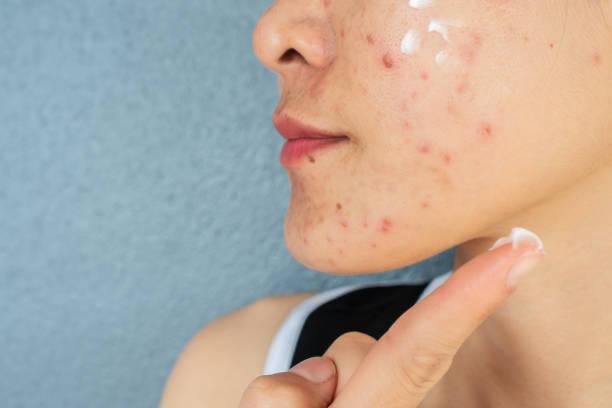
Acne does not only appear on the face. Many people experience breakouts on the back, shoulders, and chest, where clogged pores, excess oil, and inflammation can lead to persistent pimples. These breakouts may cause discomfort, affect confidence, and leave dark marks or scars if not managed properly. Understanding the causes of body acne and choosing the right skincare approach can help improve skin clarity and support long-term skin health.
For individuals seeking Acne Treatment in Riyadh, understanding the difference between facial acne and body acne is an important first step. The skin on the back and chest contains numerous oil glands, making these areas particularly susceptible to breakouts. With appropriate skincare, professional assessment, and consistent treatment, many people can manage body acne more effectively and achieve smoother-looking skin.
What Causes Acne on the Back and Chest?
Excess Oil and Clogged Pores
The skin naturally produces sebum, an oily substance that helps maintain moisture. However, excess sebum can mix with dead skin cells and block hair follicles, creating an environment where acne develops. When bacteria contribute to inflammation, these blocked pores may become red, swollen, or painful.
Sweat, Heat, and Friction
Sweating during exercise or spending time in hot weather can contribute to body acne, especially when sweat remains trapped beneath tight clothing. Friction from backpacks, sports equipment, and restrictive fabrics may also irritate the skin and worsen existing breakouts. Changing out of sweaty clothes and showering after physical activity can help reduce these triggers.
Hormonal Changes and Other Factors
Hormonal fluctuations can increase oil production, making acne more common during adolescence and sometimes adulthood. Genetics, certain medications, and individual skincare habits may also influence breakouts. Not every chest or back rash is acne, however, so persistent or unusual symptoms may require professional evaluation.
Effective Treatments for Back and Chest Acne
Medical-Grade Skincare and Topical Treatments
The appropriate treatment depends on the severity and type of acne. Products containing salicylic acid may help remove excess dead skin cells and keep pores clearer. Benzoyl peroxide can help reduce acne-causing bacteria and inflammation, while topical retinoids may support pore clearance and prevent new breakouts.
These ingredients should be introduced carefully because they can cause dryness, irritation, or sensitivity. Benzoyl peroxide may also bleach fabrics. People with sensitive skin or persistent acne should seek professional advice before combining multiple active ingredients.
Professional Acne Treatment
When breakouts are widespread, painful, or resistant to home care, professional assessment can help identify the most suitable treatment. Depending on the skin condition, a qualified practitioner may recommend prescription medication, supervised topical therapy, or selected clinical procedures.
Some patients may benefit from treatments designed to improve acne-related discoloration or scarring once active breakouts are controlled. The treatment plan should reflect the patient's skin type, acne severity, medical history, and individual goals.
Daily Habits to Help Prevent Body Acne
Maintain a Gentle Skincare Routine
Cleanse the back and chest gently, particularly after exercise or heavy sweating. Avoid aggressive scrubbing, harsh cleansers, and frequent exfoliation, as these can damage the skin barrier and aggravate inflammation. Choose non-comedogenic moisturizers and skincare products whenever possible.
Choose Breathable Clothing
Loose-fitting clothing made from breathable materials can reduce friction and help sweat evaporate. Wash workout clothes regularly, change out of damp garments promptly, and clean items that frequently contact the skin, such as towels and bedding.
Avoid Picking or Squeezing Pimples
Picking acne can increase inflammation, introduce infection, and raise the risk of lasting scars and dark spots. Consistent treatment is generally more helpful than trying to remove blemishes manually. Remember that body acne often improves gradually, and visible changes may take several weeks.
When Should You Seek Professional Help?
Consider a professional assessment if acne is painful, widespread, repeatedly returns, or leaves scars. You should also seek advice if over-the-counter products have not helped after consistent use or if the bumps are unusually itchy or look different from typical acne.
Early treatment can help limit inflammation and reduce the likelihood of permanent scarring. A personalized approach can also help distinguish acne from other skin conditions that may require different treatments.
Frequently Asked Questions
Can acne develop on both the back and chest?
Yes. Both areas contain numerous oil glands and hair follicles, making them common locations for acne. Sweat, friction, hormonal changes, and clogged pores can contribute to breakouts.
How long does it take for body acne to improve?
Improvement varies according to the severity of the acne and the treatment used. Some people notice changes within several weeks, while more persistent cases may require a longer treatment period.
Can showering after exercise help prevent body acne?
Yes. Showering after exercise removes sweat, oil, and residue from the skin. Changing into clean, dry clothing can also help reduce irritation and friction.
Does squeezing back and chest pimples cause scars?
Picking or squeezing pimples can worsen inflammation and increase the risk of scarring and post-inflammatory discoloration. Allowing blemishes to heal and following an appropriate treatment plan is safer.
When should I consider professional acne treatment?
Professional treatment may be appropriate when acne is persistent, painful, widespread, or leaving scars. An assessment can help determine the most suitable approach for your skin.
Book Your Acne Consultation at Enfield Royal Clinic
If back and chest acne is affecting your comfort or confidence, seeking professional guidance can help you understand your options. Enfield Royal Clinic offers patients an opportunity to discuss their skin concerns and explore suitable treatment approaches based on their individual needs. Arrange a consultation to learn how a personalized skincare plan may help you manage breakouts and work toward healthier-looking skin.