
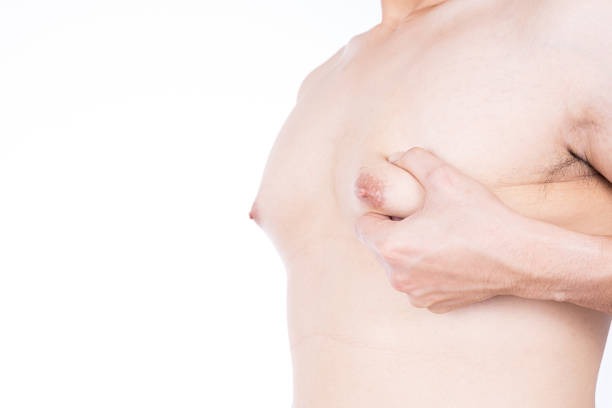
Gynecomastia is a condition that causes enlargement of breast tissue in men, often affecting one or both sides of the chest. It can develop at different stages of adulthood and may occur gradually or become noticeable within a short period. Although it is generally harmless, enlarged breast tissue can affect confidence, body image, and emotional well-being. Understanding what causes this condition is the first step toward finding an appropriate solution. Many adults researching Gynecomastia Surgery in Riyadh want to understand why male breast enlargement happens and whether it can be treated effectively.
The condition is commonly associated with hormonal changes, certain medications, and underlying health concerns. People exploring gynecomastia surgery in saudi arabia should understand that identifying the underlying cause is important before considering any treatment. A proper medical assessment helps determine whether the enlargement is caused by glandular tissue, excess fat, or a combination of both.
Understanding Gynecomastia in Adult Men
Gynecomastia occurs when male breast glandular tissue becomes enlarged. It is primarily linked to an imbalance between two important hormones: estrogen and testosterone. Although men naturally produce both hormones, testosterone is usually present at higher levels and helps regulate male physical characteristics.
When estrogen activity becomes relatively stronger or testosterone levels decrease, breast glandular tissue may grow. This can result in a fuller chest, tenderness, swelling, or sensitivity around the nipples.
Gynecomastia should not be confused with pseudogynecomastia, which develops when excess fat accumulates in the chest without significant glandular enlargement. Understanding the difference helps determine the most suitable treatment approach.
Common Causes of Gynecomastia in Adults
Several factors can contribute to male breast enlargement. The condition does not always have one specific cause, as hormonal changes, lifestyle factors, and medical conditions may influence breast tissue development.
Hormonal Imbalance
Hormonal imbalance is one of the most common reasons behind gynecomastia. Testosterone levels may naturally decline as men get older, while changes in estrogen activity can encourage breast tissue growth.
This imbalance can occur during adulthood due to ageing, certain health conditions, or changes in the body's hormone production. When the hormonal balance is disrupted, glandular tissue may become enlarged.
Certain Medications
Some prescription medications can contribute to gynecomastia as a side effect. These may include particular treatments for heart conditions, prostate problems, stomach disorders, and certain mental health conditions.
Anabolic steroids and some hormone-related supplements may also influence breast tissue development. However, medication-related gynecomastia varies between individuals. Anyone experiencing breast enlargement after starting a medication should consult a healthcare professional rather than stopping treatment independently.
Obesity and Excess Body Fat
Excess body weight can contribute to the appearance of enlarged male breasts. Fat accumulation around the chest may create a fuller appearance, while obesity can also influence hormonal activity.
In some individuals, excess fatty tissue and enlarged glandular tissue occur together. This makes it important to distinguish between gynecomastia and pseudogynecomastia before selecting a treatment.
Liver and Kidney Conditions
The liver and kidneys play important roles in maintaining hormonal balance. Certain liver conditions can affect how hormones are processed, potentially increasing estrogen activity.
Similarly, chronic kidney disease may interfere with normal hormone regulation. These health concerns can contribute to breast tissue enlargement in some adult men.
Thyroid and Other Hormonal Conditions
An overactive thyroid gland can affect the body's hormone levels and metabolism. In some cases, this may contribute to gynecomastia.
Conditions affecting the testicles or hormone-producing glands may also influence testosterone and estrogen levels. Identifying these medical factors is important for understanding why breast enlargement has developed.
When Should Adults Seek Medical Evaluation?
Although gynecomastia is frequently benign, unexplained breast enlargement should be evaluated by a qualified healthcare professional. Medical assessment is particularly important when enlargement develops suddenly, affects only one breast, or is accompanied by persistent pain.
A healthcare professional may review medical history, medications, physical symptoms, and hormonal health. Depending on the findings, blood tests or imaging examinations may be recommended to identify the underlying cause.
Early evaluation can help rule out other conditions and establish an appropriate treatment plan.
How Can Gynecomastia Be Treated?
Treatment depends on the cause, duration, and severity of breast enlargement. When a medication or underlying medical condition is responsible, addressing that factor may help improve the condition.
Lifestyle changes, including maintaining a healthy weight and exercising regularly, can help reduce excess chest fat. However, exercise alone cannot reliably remove enlarged glandular breast tissue.
For persistent gynecomastia, surgical treatment may be considered. The procedure generally involves removing excess glandular tissue, and liposuction may be used when additional fatty tissue is present. The appropriate approach depends on individual anatomy and clinical assessment.
Frequently Asked Questions
1. Can gynecomastia develop in adult men?
Yes, gynecomastia can develop at any adult age. Hormonal changes, certain medications, and underlying health conditions may contribute to breast tissue enlargement.
2. Is gynecomastia always caused by hormonal imbalance?
No. Although hormonal imbalance is a common cause, medications, obesity, liver conditions, kidney problems, and thyroid disorders may also contribute to the condition.
3. Can exercise completely remove gynecomastia?
Exercise can help reduce excess body fat and improve chest appearance. However, it cannot reliably eliminate enlarged glandular breast tissue.
4. Is gynecomastia a serious medical condition?
Gynecomastia is generally benign and does not usually indicate a serious health problem. However, sudden changes, unusual lumps, nipple discharge, or persistent pain should be medically evaluated.
5. Can gynecomastia return after treatment?
Recurrence is possible, particularly if the underlying hormonal imbalance or contributing factors remain untreated. Following medical advice and addressing the original cause can help reduce this possibility.
Book Your Consultation at Enfield Royal Clinic
Understanding the causes of male breast enlargement can help you make informed decisions about your health and appearance. If you are concerned about enlarged breast tissue, Enfield Royal Clinic in Riyadh offers consultations to help individuals explore suitable treatment options. A personalized assessment can help identify the condition and determine the next steps toward achieving a more balanced chest appearance.