
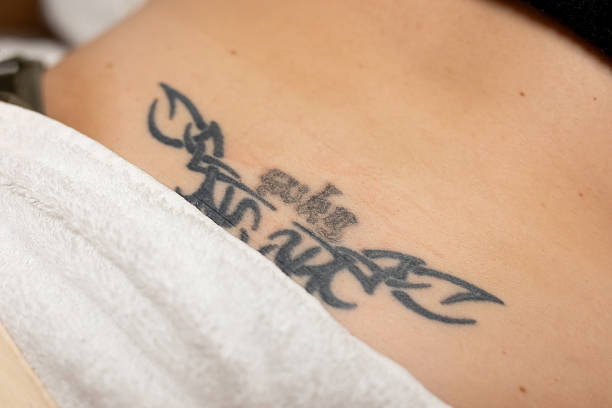
Laser tattoo removal is a popular treatment for reducing or eliminating unwanted tattoos. Although the procedure is generally safe when performed by qualified professionals, the skin needs time to heal after each session. Knowing which reactions are normal and which symptoms require medical attention can help you recover comfortably and reduce the risk of complications. Understanding the healing process is an important part of achieving the best possible results.
Laser Tattoo Removal in Riyadh involves using targeted laser energy to break tattoo ink into smaller particles that the body's natural processes gradually eliminate. After treatment, you may notice redness, swelling, tenderness, or small blisters in the treated area. These reactions can occur during normal healing, but it is essential to recognize unusual symptoms that may require professional evaluation.
Understanding the Normal Healing Process After Tattoo Removal
After a laser session, your skin begins repairing itself while the body gradually processes the fragmented ink particles. The healing period varies depending on your skin type, tattoo characteristics, laser settings, and individual response to treatment.
Common Reactions After Treatment
Mild redness, temporary swelling, tenderness, and a warm sensation around the treated area are common immediately after laser tattoo removal. Some people may also experience pinpoint bleeding, small blisters, or temporary changes in skin color.
These reactions should gradually improve as the skin heals. Following the aftercare instructions provided by your treatment professional can help protect the treated area and support recovery. Avoid picking scabs, scratching the skin, or deliberately popping blisters, as these actions may increase the risk of infection and scarring.
How Long Does Healing Take?
The initial redness and swelling often begin settling within a few days, although complete healing may take longer. Blisters, scabs, and changes in pigmentation can require additional time to resolve.
Every person's recovery is different, so there is no single timeline that applies to everyone. If symptoms become more severe instead of improving, seeking medical advice is important.
Warning Signs That Require Medical Attention
Recognizing unusual symptoms early can help prevent minor concerns from developing into more serious complications. While some discomfort is expected, certain warning signs should never be ignored.
Signs of Infection
Increasing redness, spreading warmth, worsening pain, pus, or unusual discharge may indicate an infection. A fever or red streaks extending from the treated area can also signal a more serious problem.
Contact a healthcare professional promptly if you notice these symptoms. Seek urgent medical attention if you develop a fever with rapidly spreading redness, severe pain, or other signs of a worsening infection.
Severe or Persistent Blistering
Small blisters may occur after laser tattoo removal, but extensive blistering, significant skin breakdown, or worsening swelling should be evaluated by a qualified medical professional.
Do not puncture blisters yourself or apply unapproved products to the affected area. Keeping the skin protected and following appropriate wound-care instructions can reduce irritation while you arrange an assessment.
Unusual Skin Color Changes
Temporary lightening or darkening of the skin can occur following laser treatment. However, persistent or pronounced discoloration, especially when accompanied by pain, open wounds, or other concerning symptoms, may require professional evaluation.
In some cases, changes in pigmentation can take weeks or months to improve. A healthcare professional can assess the affected area and recommend appropriate next steps.
What to Do If You Experience Complications
If something does not seem right after your session, avoid attempting to treat the problem with harsh products or home remedies. Gentle care and timely medical advice are safer approaches.
Follow Appropriate Aftercare Instructions
Keep the treated area clean and follow the wound-care instructions provided by your treatment professional. Avoid excessive friction, direct sun exposure, and activities that irritate the skin while it heals.
Do not use strong exfoliants, irritating skincare ingredients, or unprescribed medications on the treated area. If you are uncertain whether a product is suitable, ask a qualified healthcare professional before applying it.
Do Not Delay Professional Assessment
Seek medical advice if pain increases, healing appears unusually slow, or symptoms worsen rather than improve. Severe pain, rapidly spreading redness, fever, or significant skin damage warrants urgent assessment.
Early evaluation can help identify the cause of the problem and determine whether additional treatment is necessary.
How to Support Safe Recovery After Laser Tattoo Removal
A successful recovery depends on more than the laser procedure itself. Consistent aftercare, realistic expectations, and communication with your treatment provider all contribute to a safer experience.
Protecting your skin from sunlight, avoiding picking or scratching, and allowing enough time between sessions can support healing. Attend follow-up appointments when recommended, and inform your provider about any unusual reactions you experience.
Remember that tattoo fading occurs gradually. Scheduling additional sessions before the skin has adequately healed may increase irritation and other risks. A qualified professional can help determine when your skin is ready for the next treatment.
Frequently Asked Questions
1. Is redness normal after laser tattoo removal?
Yes, mild redness is a common reaction following treatment. It should gradually improve. If redness spreads, becomes increasingly painful, or occurs alongside pus or fever, seek medical advice.
2. When should I worry about blisters after treatment?
Small blisters can occur during normal healing. However, extensive blistering, worsening swelling, severe pain, or signs of infection should be assessed by a healthcare professional.
3. Can laser tattoo removal cause an infection?
Although infection is not inevitable, it can occur if the skin becomes damaged or is not cared for appropriately. Keeping the area clean, avoiding picking, and following aftercare instructions can help reduce the risk.
4. What should I do if my skin becomes darker after treatment?
Temporary darkening can occur after laser tattoo removal. Protect the area from sunlight and consult your treatment provider if the discoloration is pronounced, persistent, or accompanied by other symptoms.
5. When can I schedule my next laser tattoo removal session?
The timing depends on how well your skin has healed and the treatment plan recommended by your provider. Avoid scheduling another session until the treated area has adequately recovered and your provider confirms it is appropriate.
Schedule a Consultation at Enfield Royal Clinic
If you are considering laser tattoo removal or have concerns about your recovery, professional guidance can help you understand the treatment process and recognize potential complications. Enfield Royal Clinic can help you explore your treatment options, understand appropriate aftercare, and determine when medical assessment may be necessary. Contact the clinic to discuss your concerns and take an informed approach to your skin care and tattoo removal journey.