
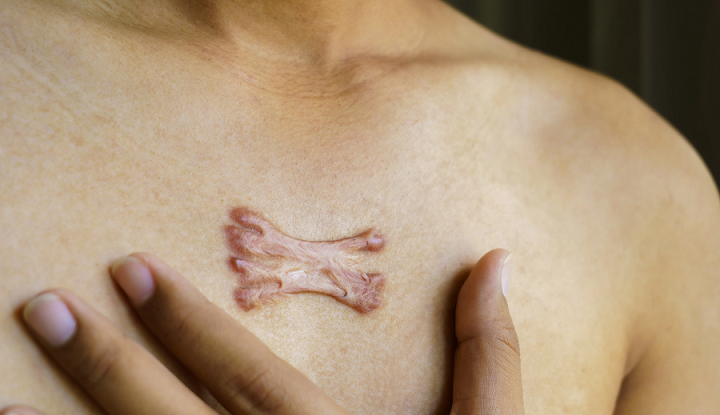
Hypertrophic Scars Treatment can help improve raised, thickened, red, itchy, or uncomfortable scars, but many people first wonder whether their tendency to develop these scars is inherited. The answer is more nuanced than a simple yes or no. Hypertrophic scars are mainly a response to abnormal or excessive collagen production during wound healing. However, individual healing patterns can be influenced by genetic and biological factors, meaning some people may be more prone to developing raised scars than others. Understanding this distinction is important because hypertrophic scars are different from keloids. A Hypertrophic Scars Treatment in Dubai (علاج الندبات الضخامية في دبي) generally remains within the original wound boundary, while a keloid can grow beyond it. Hypertrophic scars may also gradually become flatter and less noticeable as they mature.
Learn about Hypertrophic Scars Treatment in Dubai, its benefits, cost, and results. Book your consultation today!
What Is Treatment And How It Works:
Hypertrophic Scars Treatment (علاج الندبات الضخامية) refers to a range of approaches designed to flatten, soften, reduce redness, improve texture, and relieve symptoms associated with raised scars. Treatment is selected according to the scar's size, location, age, thickness, symptoms, skin characteristics, and whether it is still actively changing.
How Treatment Helps:
The main goals may include:
- Reducing excessive scar thickness
- Improving firmness and texture
- Minimizing redness or discoloration
- Relieving itching, tenderness, or discomfort
- Improving flexibility when a scar restricts movement
- Supporting healthier scar maturation
- Reducing the visual contrast between the scar and surrounding skin
Common approaches include silicone sheets or gels, pressure therapy in appropriate situations, corticosteroid injections, cryotherapy, and laser or light-based procedures. Some scars require a combination of methods rather than one technique alone. The American Academy of Dermatology notes that different raised scars may respond differently to available treatments, making accurate assessment important.
Importance Of Treatment:
Not every hypertrophic scar requires immediate intervention. Many gradually soften and flatten as they mature, sometimes over 12 to 24 months. However, monitoring and appropriate management can be valuable when the scar remains significantly raised, itchy, painful, cosmetically noticeable, or restrictive.
Early attention can be particularly helpful when a scar develops near a joint or another area where tightening could affect movement. Treatment may also support comfort and confidence when a visible scar causes emotional distress.
Why Genetic Awareness Matters:
If close family members have a history of raised or problematic scars, this information can be useful when discussing future injuries, surgery, burns, piercings, or other procedures. It does not mean scarring is inevitable. Instead, it highlights the importance of careful wound care and appropriate scar monitoring.
Types Of Treatment:
There is no universal treatment that works equally well for every hypertrophic scar. A tailored approach is generally more appropriate.
Silicone Therapy:
Silicone sheets and gels can help reduce the size, hardness, redness, swelling, and stiffness of raised scars. They are typically used after the wound has completely closed and may require consistent application over an extended period.
Steroid Injections:
Corticosteroid injections can be placed directly into raised scar tissue to reduce thickness and relieve itching or pain. Multiple treatment sessions may sometimes be required, and potential side effects should be discussed before treatment.
Laser And Light-Based Procedures:
Laser or light treatments may improve redness, thickness, discomfort, itching, and overall visibility. Depending on the scar, these techniques may be combined with other treatments. Laser treatment generally improves the appearance rather than completely erasing the scar.
Cryotherapy And Other Options:
Cryotherapy freezes scar tissue and can help reduce raised areas. In selected cases, additional medications or combination therapies may improve the result. Surgical revision is not automatically the first choice because additional injury can sometimes lead to further scar formation.
Preparation And Aftercare:
Preparation:
Preparation begins with a proper assessment of the scar. Before treatment, provide information about previous scars, recent injuries, medications, skin reactions, allergies, and any previous scar procedures. This information can help determine which approach is most suitable.
Aftercare Tips:
Follow the recommended aftercare plan carefully. Depending on the procedure, this may include:
- Keeping the treated area clean and protected
- Using silicone products when advised
- Avoiding unnecessary friction or picking
- Protecting the scar from excessive sun exposure
- Following instructions for massage only after the wound has fully healed
- Attending recommended follow-up appointments
- Reporting unusual swelling, worsening pain, infection signs, or significant skin changes
Sun protection is particularly important because scar tissue can develop noticeable pigmentation changes after ultraviolet exposure. Broad-spectrum sunscreen and physical protection can help reduce this risk.
Ideal Candidate:
An ideal candidate is not determined simply by having a family history of hypertrophic scarring. Treatment may be considered for people who have a confirmed raised scar that causes cosmetic concerns, itching, pain, firmness, or functional limitations.
Potential candidates may include people who:
- Have a raised scar that remains within the original wound
- Experience persistent itching or discomfort
- Notice increasing thickness during scar maturation
- Have restricted movement because of scar tightness
- Feel concerned about the scar's appearance
- Want professional guidance about improving an established scar
- Have a history suggesting increased susceptibility to abnormal scarring
A consultation is particularly important if you are unsure whether the raised area is actually a hypertrophic scar or a keloid. Correct identification helps guide treatment decisions.
How To Choose A Right Clinic:
Choosing the right treatment setting involves more than searching for a service with a promising name. Look for an environment where scar type, skin characteristics, medical history, and treatment goals are assessed before a procedure is recommended.
What To Consider:
- Qualified medical professionals with appropriate skin and scar expertise
- Proper evaluation before treatment
- Clear explanation of available techniques
- Appropriate discussion of potential benefits and risks
- Access to suitable treatment technologies when required
- Personalized aftercare instructions
- Follow-up support to monitor scar progression
- A realistic approach that does not promise complete scar removal
Laser procedures, injections, and other interventions should be performed by appropriately trained professionals because unsuitable treatment can potentially worsen skin problems or cause unwanted effects.
Benefits:
Appropriate scar management can provide both physical and cosmetic advantages. Results depend on the scar's characteristics and the selected treatment plan.
Potential Benefits Include
- Flatter-looking scar tissue
- Softer scar texture
- Reduced redness
- Less itching and discomfort
- Improved flexibility
- Better scar maturation
- Improved confidence about visible scars
- Reduced prominence of raised areas
It is important to maintain realistic expectations. Treatment can improve a hypertrophic scar considerably, but completely eliminating scar tissue is not always possible. Many scars naturally change over time, and improvement may continue for months or longer.
FAQs:
Are Hypertrophic Scars Genetic?
Genetics may contribute to an individual's tendency to develop problematic scarring, but hypertrophic scars are not simply inherited in a predictable parent-to-child pattern. Wound characteristics and healing responses also matter.
If My Parents Have Raised Scars, Will I Get One?
Not necessarily. A family history may indicate a possible predisposition, but it does not guarantee that you will develop a hypertrophic scar after an injury.
Are Hypertrophic Scars The Same As Keloids?
No. Hypertrophic scars remain within the boundaries of the original wound, whereas keloids can extend beyond the original injury.
Do Hypertrophic Scars Go Away?
They can become flatter, softer, and less noticeable as they mature. Improvement may take many months and sometimes one to two years.
Conclusion:
Understanding whether hypertrophic scars are genetic can help people make better decisions about wound care and scar management. Genetics may influence susceptibility, but developing a raised scar depends on multiple factors rather than heredity alone. If you have a family tendency toward abnormal scarring, early monitoring after injuries or procedures can be useful. When a scar becomes persistent, uncomfortable, or cosmetically concerning, Best Hypertrophic Scars Treatment Dubai (افضل علاج الندبات الضخامية دبي) should focus on accurate scar identification, individualized treatment, realistic expectations, and consistent aftercare