
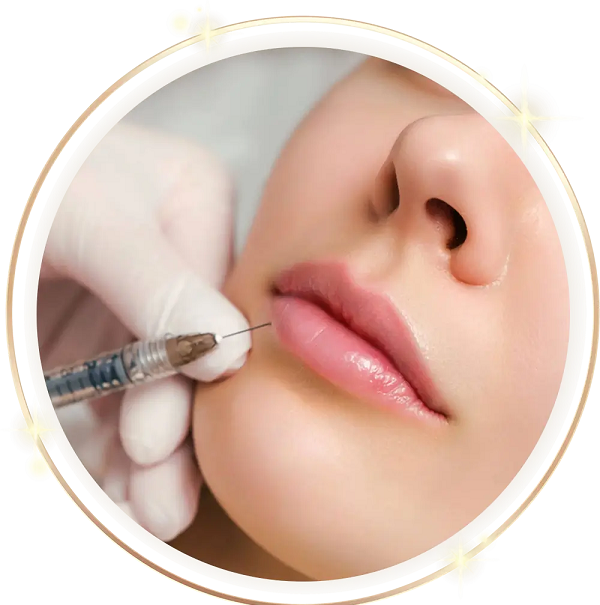
Lip Fillers Injections are widely considered a minimally invasive cosmetic treatment because they enhance lip shape, volume, symmetry, and definition without requiring traditional surgery or large incisions. The procedure typically involves injecting a filler material into carefully selected areas of the lips using a fine needle or cannula. Unlike surgical lip enhancement, it generally involves little tissue disruption and can usually be performed as an outpatient procedure. Many people choose this approach because it offers a practical way to create subtle or noticeable improvements while maintaining the natural movement and appearance of the lips. Understanding what Lip Fillers Injections in Dubai (حقن الفيلر للشفتين في دبي) minimally invasive means, how the treatment works, what preparation involves, and how recovery progresses can help individuals make informed decisions about whether this type of aesthetic enhancement is appropriate for their goals.
Learn about Lip Fillers Injections in Dubai, its benefits, cost, and results. Book your consultation today!
What Is The Treatment And How Does It Work?
Lip filler treatment is a non-surgical aesthetic procedure designed to improve lip volume, contour, proportion, and definition. Most modern lip fillers use hyaluronic acid, a substance that naturally occurs within the body and has moisture-binding properties. During treatment, a qualified aesthetic professional places small amounts of filler into selected areas according to the patient's desired outcome and natural facial proportions.
The treatment is considered minimally invasive because the skin is penetrated only at specific injection points rather than being surgically opened. There are no large incisions, stitches, or extensive tissue removal involved. The procedure is also generally relatively short, although the exact duration depends on the treatment plan and the number of areas being addressed.
Why Is Minimally Invasive Treatment Important?
A minimally invasive approach can be appealing because it typically creates less disruption to surrounding tissues than conventional cosmetic surgery. Patients may experience temporary swelling, redness, tenderness, or bruising, but these effects generally improve during the early recovery period. Another important advantage is that treatment can be customized. Small quantities of filler may be used to create a refined enhancement rather than an overly dramatic change.
Types Of Treatment:
There are several approaches to lip filler enhancement, and the technique selected depends on the patient's anatomy and aesthetic objectives. Some people want greater overall volume, while others are primarily interested in defining the lip border, improving the cupid's bow, balancing asymmetry, or creating greater projection.
Common Treatment Approaches:
- Volume enhancement: Adds fullness to thin or naturally less prominent lips.
- Lip definition: Improves the appearance of the vermilion border and overall contour.
- Cupid's bow enhancement: Creates greater definition in the central upper lip.
- Lip symmetry correction: Addresses mild differences between the two sides.
- Proportion enhancement: Helps create a balanced relationship between the upper and lower lips.
- Subtle hydration: Certain formulations can improve moisture retention while providing limited structural enhancement.
The goal is not necessarily to create very large lips. A carefully planned minimally invasive treatment can focus on proportion, shape, and harmony with the rest of the face. The technique and filler placement should therefore be individualized rather than based on a one-size-fits-all approach.
Preparation And Aftercare:
Good preparation can contribute to a smoother treatment experience. Before the procedure, patients should discuss their medical history, allergies, previous cosmetic treatments, medications, and any history of reactions to injectable products. A consultation should also establish the desired degree of enhancement and whether the treatment is appropriate.
Before Treatment:
- Follow the professional's instructions regarding medications and supplements.
- Avoid unnecessary irritation around the lips before the appointment.
- Arrive with clean skin and without heavy lip products.
- Discuss previous filler treatments and any known sensitivities.
- Clearly communicate whether a subtle or more noticeable result is preferred.
After Treatment:
After injections, mild swelling, redness, tenderness, or bruising can occur. Patients should follow personalized aftercare instructions and avoid unnecessary pressure or manipulation of the treated area. Staying hydrated and allowing the lips to settle naturally can support the recovery process. Strenuous activity, excessive heat, and activities that may irritate the area may need to be limited temporarily according to professional advice.
Patients should also avoid judging the final appearance immediately after treatment because early swelling can temporarily make the lips appear fuller or uneven. The appearance generally becomes more representative of the eventual result as the initial swelling subsides.
Ideal Candidate And Choosing The Right Clinic:
The ideal candidate is generally an adult seeking greater lip definition, volume, symmetry, or proportion without undergoing surgery. A suitable candidate should have realistic expectations and understand that results vary according to anatomy, filler selection, technique, and individual healing. People with certain medical conditions, active infections around the treatment area, known allergies to specific ingredients, or other relevant concerns may require additional assessment before proceeding.
Choosing an appropriate clinic is equally important because minimally invasive does not mean risk-free. Injectable treatments require knowledge of facial anatomy, appropriate product selection, sterile technique, and careful management of potential complications.
What To Look For:
- Properly qualified and experienced aesthetic professionals.
- Clear information about the filler being used.
- Appropriate hygiene and infection-control practices.
- A detailed consultation before treatment.
- A personalized treatment plan rather than a standardized approach.
- Transparent discussion of potential benefits, limitations, and risks.
- Appropriate follow-up and guidance after the procedure.
When researching the Best Lip Fillers Injections Dubai (افضل حقن الفيلر للشفتين دبي), patients should focus on professional qualifications, safety standards, consultation quality, treatment philosophy, and the ability to provide individualized care rather than selecting an option based solely on promotional claims.
Benefits:
The minimally invasive nature of lip fillers is one of the reasons they have become a popular alternative to surgical enhancement. The treatment can provide several potential aesthetic benefits while avoiding the incisions and extended recovery commonly associated with surgery.
- Enhances lip volume without traditional surgery.
- Improves lip contour and definition.
- Can address mild asymmetry.
- Allows individualized enhancement.
- Usually involves limited tissue disruption.
- Requires little or no traditional surgical downtime.
- Can create subtle or more visible changes depending on the treatment plan.
- May improve overall facial balance by refining lip proportions.
- Hyaluronic acid-based fillers can provide a temporary and adjustable form of enhancement.
However, results are not permanent. The longevity of filler varies according to the product, treatment area, metabolism, lifestyle, and individual response. Some patients may eventually choose maintenance treatments to preserve their preferred appearance.
FAQs:
Are Lip Fillers Injections Minimally Invasive?
Yes. They are generally classified as minimally invasive because they use injections rather than surgical incisions. Nevertheless, the procedure still involves penetrating the skin and therefore carries potential risks.
Do Lip Fillers Require Surgery?
No. Traditional surgical incisions are not required for injectable lip enhancement. A fine needle or cannula is used to deliver the filler into targeted areas.
Is There Downtime After Treatment?
Most people can resume many normal activities relatively quickly, but temporary swelling, bruising, redness, or tenderness may occur. Recovery varies between individuals.
Are The Results Immediate?
Some improvement can be visible immediately, but swelling may temporarily affect the appearance. The final appearance is better assessed after the lips have settled.
Can Lip Fillers Look Natural?
Yes. Natural-looking results are possible when the amount, placement, and technique are appropriately matched to the individual's facial structure and aesthetic goals.
Are Lip Fillers Safe?
When performed by an appropriately qualified professional using suitable products and proper techniques, lip fillers can be performed safely. However, every injectable procedure carries potential risks, including infection, vascular complications, allergic reactions, and irregularities.
Conclusion:
Lip filler treatment is considered minimally invasive because it enhances lip appearance through targeted injections rather than surgical incisions or extensive tissue manipulation. This approach can provide improvements in volume, definition, symmetry, and proportion while generally involving a shorter recovery period than traditional surgery. Understanding preparation, aftercare, candidacy, potential benefits, and safety considerations is essential before treatment. For anyone considering Lip Fillers Injections (حقن الفيلر للشفتين), a thorough consultation with a qualified professional can help determine whether the procedure matches their anatomy, expectations, and desired aesthetic outcome.