
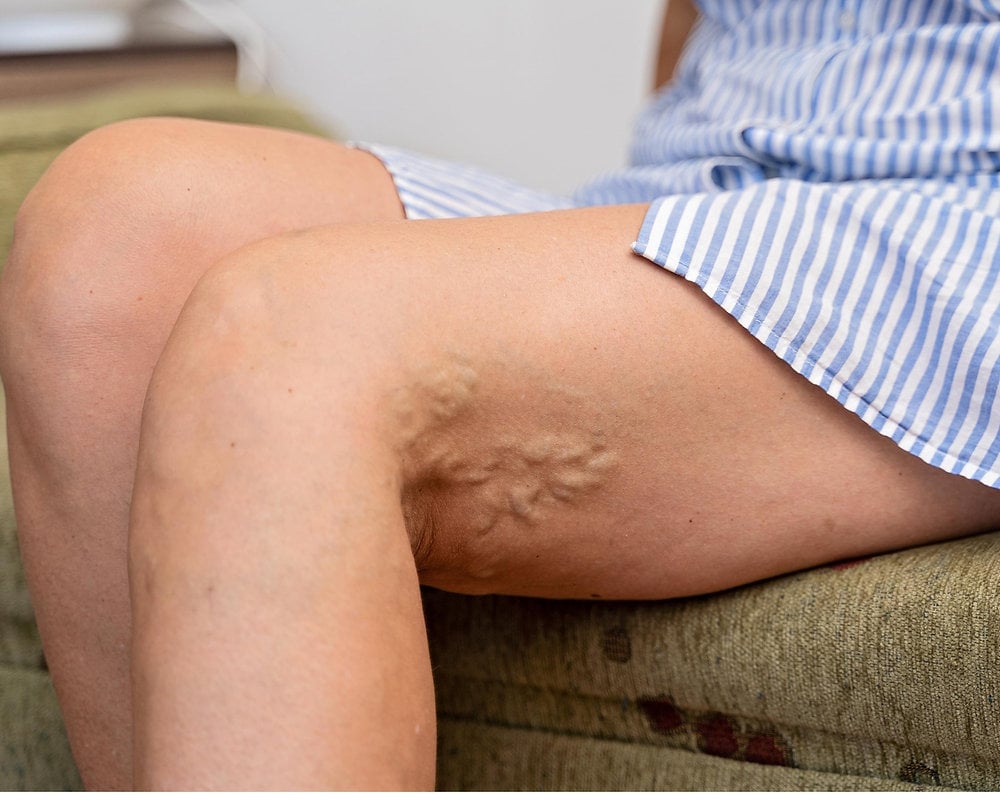
Yes, a doctor can often identify visible varicose veins through a physical examination. The assessment usually involves inspecting the legs for enlarged, twisted veins and checking for swelling, tenderness, and skin changes. However, a physical examination may not reveal the full extent of the underlying vein problem. In some cases, a duplex ultrasound scan is needed to evaluate blood flow and identify faulty vein valves. People considering علاج الدوالي في دبي should understand how doctors diagnose the condition and determine whether further testing is necessary before treatment.
How Does a Doctor Examine Varicose Veins?
A physical examination helps the doctor identify visible signs of venous disease and understand how the condition affects the patient.
Inspecting the Legs:
The doctor examines the legs for enlarged, twisted, or bulging veins, particularly around the calves and thighs. They may also look for spider veins, skin discoloration, thickening, or ulcers near the ankles.
Checking for Swelling and Tenderness:
The doctor may assess whether the legs or ankles are swollen and ask about pain, heaviness, itching, or cramping. These symptoms can help indicate how the condition affects daily activities.
Reviewing Symptoms and Medical History:
The doctor may ask when the veins first appeared, whether symptoms worsen after standing, and whether elevating the legs provides relief. They may also ask about previous blood clots, pregnancy, family history of varicose veins, medications, and earlier vein treatments.
This information helps distinguish varicose veins from other conditions that can cause leg discomfort or swelling.
Is a Physical Examination Enough to Diagnose Varicose Veins?
In some cases, a physical examination is enough to recognize visible varicose veins. However, it may not show whether deeper veins are affected or whether blood is flowing backward through faulty valves.
If the patient has persistent symptoms, skin changes, suspected venous reflux, or is being considered for an intervention, the doctor may recommend a duplex ultrasound scan. This test provides more detailed information about vein structure and blood flow.
The need for additional testing depends on the clinical findings and the treatment being considered.
What Is a Duplex Ultrasound Scan?
A duplex ultrasound is a non-invasive test that uses sound waves to assess veins and the direction and speed of blood flow. It can help the doctor identify venous reflux, locate affected veins, and plan appropriate treatment.
The scan is particularly useful when symptoms are significant, the underlying cause is uncertain, or a procedure is being considered. It does not involve surgical incisions and generally does not require a lengthy recovery.
What Happens After the Diagnosis?
Once the doctor has assessed the veins, the next step depends on the severity of the condition and the patient's symptoms.
Possible recommendations include:
- Lifestyle changes: Regular walking, avoiding prolonged immobility, and elevating the legs when resting.
- Compression therapy: May help manage swelling and discomfort in suitable patients.
- Sclerotherapy: An injectable treatment used to close selected veins.
- Endovenous ablation: A procedure that closes problematic veins using heat or another approved technique.
- Surgery: May be considered in selected cases when clinically appropriate.
Not everyone needs a procedure. The doctor should explain the expected benefits, limitations, and risks of the recommended approach.
When Should You Seek Medical Assessment?
Arrange a medical appointment if you notice persistent leg aching, swelling, itching, or skin discoloration associated with visible veins.
Seek prompt medical attention if a varicose vein bleeds, becomes unusually painful or red, or develops an associated wound. Sudden leg swelling or pain requires urgent assessment. Chest pain or sudden shortness of breath requires emergency medical care.
Frequently Asked Questions:
Can a General Practitioner Diagnose Varicose Veins?
A general practitioner can often recognize visible varicose veins and assess symptoms. They may refer the patient to a vascular surgeon or vein specialist for further investigation or treatment.
Is an Ultrasound Always Necessary?
No. Visible varicose veins may be identified during a physical examination, but duplex ultrasound is commonly used when venous reflux needs to be assessed or treatment is being planned.
Does Diagnosing Varicose Veins Hurt?
A physical examination is generally painless. Duplex ultrasound is also non-invasive, although slight pressure from the probe may cause mild discomfort in a sensitive area.
Can Varicose Veins Be Present Without Symptoms?
Yes. Some people have visible varicose veins without pain or swelling. A doctor can assess whether monitoring or further investigation is appropriate.
Conclusion:
A doctor can often diagnose visible varicose veins through a physical examination by checking the legs, reviewing symptoms, and assessing skin changes. However, duplex ultrasound may be needed to identify faulty vein valves, evaluate blood flow, and plan treatment. The appropriate assessment depends on the patient's symptoms and clinical findings. Anyone considering varicose veins treatment should consult a qualified healthcare professional to determine whether a physical examination alone is sufficient or further testing is needed.