
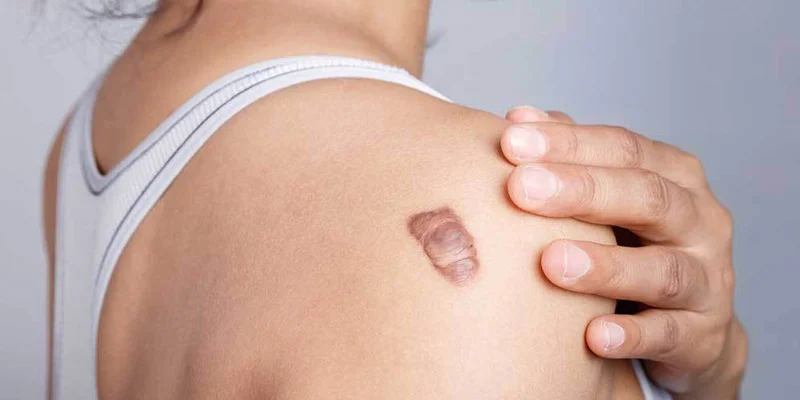
Yes, hypertrophic scars can often be treated without surgery. These raised scars develop when the body produces excess collagen during wound healing, causing thickened tissue within the boundaries of the original injury. People considering علاج الندبات الضخامية في دبي may benefit from non-surgical options such as silicone gel, corticosteroid injections, laser therapy, and pressure treatment. The most suitable approach depends on the scar’s size, thickness, age, location, and symptoms. Although treatment can help flatten scars and reduce redness or itching, complete removal cannot always be achieved.
Why Choose Non-Surgical Treatment for Hypertrophic Scars?
Non-surgical treatments aim to improve the appearance and symptoms of raised scars without cutting away the affected tissue. Depending on the method, treatment may help reduce excessive collagen activity, soften thickened skin, improve discoloration, or make the scar less noticeable.
These approaches may be particularly suitable for people with relatively small scars or those who prefer to avoid an additional incision. They can also be used to manage scars that are uncomfortable or cosmetically noticeable.
However, non-surgical treatment does not produce identical results for everyone. Some scars respond within weeks, while others require several months of consistent care or repeated professional treatments.
Silicone Gel and Silicone Sheets:
Silicone gel and sheets are commonly recommended for managing raised scars. They help maintain hydration at the skin’s surface and may gradually improve scar thickness, firmness, and redness.
How do silicone products work?
Silicone creates a protective layer over the scar, helping regulate moisture in the outer skin. With regular use, this may improve the scar’s appearance and reduce associated itching or discomfort.
How long do results take?
Visible changes may take several weeks to a few months. Consistency is important, and the exact duration depends on the scar and the product used.
Silicone products are non-invasive and generally easy to incorporate into a daily routine. They should be applied only after the wound has closed completely, following product instructions or professional guidance.
Corticosteroid Injections:
Corticosteroid injections are a common medical treatment for raised hypertrophic scars, especially those that are thick, firm, itchy, or tender.
A healthcare professional injects medication directly into the scar to reduce inflammation and excessive collagen production. As the tissue responds, the scar may become softer, flatter, and less uncomfortable.
Are injections effective without surgery?
For suitable scars, injections can provide meaningful improvement without requiring an operation. Some patients notice changes within several weeks, although multiple sessions may be necessary.
Possible side effects include thinning of the skin, changes in pigmentation, and small visible blood vessels. A qualified clinician should determine the appropriate treatment schedule and monitor the response.
Laser Therapy:
Laser therapy can help improve specific features of hypertrophic scars. The type of laser selected depends on whether the primary concern is redness, thickness, texture, or reduced flexibility.
Pulsed-dye lasers may help reduce redness and itching, while fractional laser treatments may improve texture and flexibility in selected cases.
What should patients expect?
Laser treatment is usually performed in a clinical setting. Depending on the technology and the scar, a series of sessions may be recommended to achieve gradual improvement.
Temporary redness, swelling, and changes in skin pigmentation are possible side effects. People with darker skin tones may need particular care when selecting a laser and its settings to reduce the risk of unwanted pigmentation changes.
Laser therapy does not guarantee complete scar removal, but it may improve the scar’s appearance and symptoms without surgery.
Pressure Therapy:
Pressure therapy may be recommended for certain hypertrophic scars, particularly those associated with burn injuries. Special garments or dressings apply sustained pressure to the affected area and may help control scar thickness over time.
This method generally requires consistent use for an extended period. The pressure garment must fit properly to avoid irritation or other skin problems.
Pressure therapy is not suitable for every scar, so professional advice is important before starting treatment.
Other Non-Surgical Treatment Options:
Depending on the scar’s characteristics, a dermatologist may recommend additional approaches or combine treatments.
- Medical monitoring: Some hypertrophic scars gradually become flatter and less noticeable without intensive treatment.
- Moisturizing and gentle skin care: Appropriate skin care can reduce dryness and irritation, although moisturizers alone are unlikely to flatten a significant raised scar.
- Combination treatment: Silicone products may be used alongside injections or laser therapy when appropriate.
- Rehabilitation: If a scar restricts movement, particularly after a burn, a clinician may recommend stretching or physical therapy to support flexibility.
Treatment should be selected according to the scar’s needs rather than using multiple products or procedures without professional guidance.
Can Hypertrophic Scars Disappear Without Surgery?
Some hypertrophic scars naturally become flatter, softer, and less red over time. This process may take months or longer, and the degree of improvement varies between individuals.
Non-surgical treatments can support this process and may improve the scar’s appearance or reduce symptoms. However, an older or particularly thick scar may be more difficult to treat than a newer one.
It is also important to distinguish hypertrophic scars from keloids. Hypertrophic scars remain within the original wound’s boundaries, whereas keloids can grow beyond them. The distinction can affect treatment selection and the likelihood of recurrence.
How Can You Support Healing at Home?
Appropriate home care can help protect the scar and reduce avoidable irritation.
- Follow wound-care instructions and avoid picking or scratching the affected area.
- Use silicone gel or sheets only on fully healed skin and according to instructions.
- Protect exposed scars from sunlight to help reduce discoloration.
- Avoid harsh chemical products or unproven remedies that may irritate the skin.
- Seek medical advice if the scar becomes increasingly painful, grows rapidly, or restricts movement.
Home care can complement professional treatment, but it may not be sufficient for thick or symptomatic scars.
Frequently Asked Questions:
What is the best non-surgical treatment for hypertrophic scars?
Silicone products, corticosteroid injections, and laser therapy are common options. The best choice depends on the scar’s thickness, age, location, and symptoms.
How long does non-surgical scar treatment take?
Some people notice improvement within several weeks, while others need several months or multiple treatment sessions. The timeline depends on the treatment and the individual scar.
Are non-surgical treatments painful?
Silicone products are generally painless. Injections may cause brief discomfort, while laser treatment can produce temporary warmth or stinging. Comfort measures depend on the procedure.
Can old hypertrophic scars be treated without surgery?
Yes, older scars may still respond to treatment, although improvement can be more gradual or limited. A specialist can assess the scar and discuss realistic expectations.
Is surgery ever necessary?
Surgery is not usually the first choice for hypertrophic scars. It may be considered in selected cases, such as when a scar significantly restricts movement or does not respond adequately to other approaches. Surgery can create another scar, so the benefits and risks must be carefully assessed.
Conclusion:
Hypertrophic scars can often be treated without surgery using silicone gel or sheets, corticosteroid injections, laser therapy, and pressure treatment in selected cases. These approaches may reduce scar thickness, redness, itching, and discomfort while avoiding another surgical wound. Results vary, and complete removal cannot be guaranteed. Early assessment, appropriate aftercare, and a treatment plan tailored to the scar can help improve outcomes. Anyone concerned about a raised scar should consult a qualified dermatologist to identify the most suitable non-surgical option.