
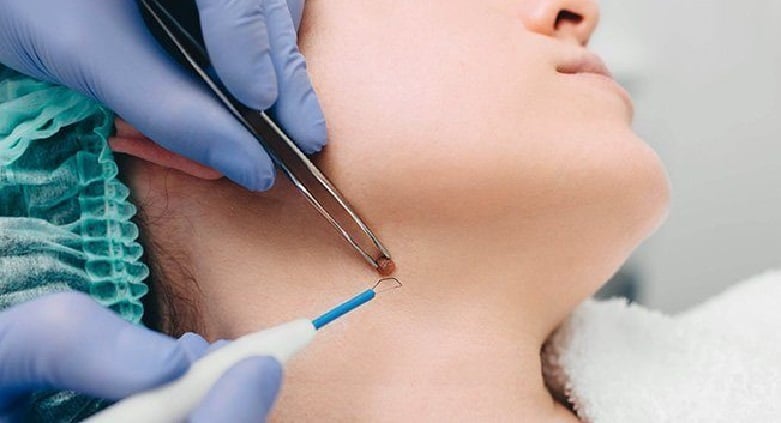
Moles are common skin growths that can appear on the face, neck, arms, and other body areas. Although most are harmless, some people choose to remove them because they affect their overall appearance or cause cosmetic concerns. Professional إزالة الشامات في دبي offers different treatment approaches depending on the mole's size, depth, location, and medical characteristics. Understanding how mole removal affects skin appearance helps patients develop realistic expectations and choose an appropriate procedure with a qualified dermatologist.
Can Mole Removal Make Skin Look Better?
Yes, removing selected unwanted moles can improve the appearance of the treated area. This is particularly relevant when prominent, raised, or dark moles create noticeable differences in skin texture or pigmentation.
Mole removal may help:
- Reduce the appearance of prominent skin growths.
- Create a more uniform-looking skin surface.
- Improve the appearance of selected facial areas.
- Remove raised moles that attract unwanted attention.
- Increase personal satisfaction with skin appearance.
However, the final cosmetic outcome depends on the removal technique, mole characteristics, and individual healing response.
How Does Mole Removal Improve Facial Appearance?
Facial moles can be particularly noticeable because they appear on frequently exposed areas.
Some people choose to remove moles located around the cheeks, nose, forehead, chin, or lips to achieve a more even-looking complexion.
Potential cosmetic improvements include:
More balanced appearance: Removing a prominent mole may make the surrounding facial area appear more uniform.
Reduced visual distractions: Some individuals prefer having fewer noticeable pigmented spots on their face.
Smoother skin surface: Removing selected raised moles may improve the texture of the treated area.
Greater confidence: Patients may feel more comfortable with their appearance after addressing a cosmetic concern.
It is important to understand that mole removal does not guarantee completely smooth or mark-free skin.
Can Mole Removal Improve Skin Texture?
Yes, removing certain raised moles can improve the appearance of the skin's surface.
Raised moles may create small bumps that become noticeable under certain lighting or when applying makeup.
Depending on the mole's characteristics, dermatologists may recommend:
- Surgical excision.
- Shave removal.
- Other appropriate techniques for selected benign skin lesions.
The treatment method depends on the mole's depth and medical assessment. Some procedures may leave a small scar or change in skin texture.
Does Mole Removal Help Create an Even Skin Tone?
Mole removal can reduce the appearance of selected dark pigmented spots, potentially making the treated area look more uniform.
However, it is not a general skin-lightening or pigmentation treatment.
The procedure specifically addresses the targeted mole rather than treating widespread concerns such as melasma, sunspots, or post-inflammatory hyperpigmentation.
Patients should discuss their expectations with a dermatologist to determine whether mole removal alone can address their concerns.
Which Mole Removal Techniques Can Improve Skin Appearance?
Different techniques may be considered depending on the mole's characteristics.
Surgical Excision:
Surgical excision involves removing the entire mole using a surgical instrument, sometimes with a small margin of surrounding skin.
It may be recommended when complete removal or laboratory examination is necessary.
The wound may require stitches, and a scar can remain after healing.
Shave Removal:
Shave removal involves carefully removing a suitable raised mole using a surgical blade.
It may improve the appearance of selected raised lesions by reducing their prominence.
However, deeper mole cells may remain, and regrowth is possible.
Laser Treatment:
Laser technology may be considered for selected superficial benign pigmented lesions.
It uses focused light energy to target pigment and may avoid a conventional surgical incision.
However, suspicious moles should not be treated with laser destruction because the tissue may need to be examined in a laboratory.
Can Mole Removal Improve Skin Appearance Without Leaving Scars?
Not always. Any procedure that removes or damages skin tissue can potentially leave a visible mark.
The appearance of the treated area depends on:
- Mole size and depth.
- Removal technique.
- Treatment location.
- Individual healing response.
- Skin pigmentation tendencies.
- Aftercare practices.
Dermatologists aim to minimize unnecessary tissue damage and optimize cosmetic results, but scar-free healing cannot be guaranteed.
How Long Does It Take to See Cosmetic Results?
Patients may notice an immediate change in the appearance of the mole after removal, but the surrounding skin requires time to heal.
The recovery process varies depending on the procedure.
During healing, patients may experience temporary redness, swelling, tenderness, or pigmentation changes.
The appearance of a scar may continue to improve over several months. Following wound-care instructions and protecting the healing area from sunlight can support recovery.
Who Can Benefit From Mole Removal for Cosmetic Reasons?
Mole removal may be considered by individuals who:
- Have prominent facial or body moles.
- Feel uncomfortable about visible skin growths.
- Experience irritation from raised moles.
- Want to reduce the appearance of selected unwanted lesions.
- Have medically assessed benign moles that are suitable for removal.
A dermatologist should examine the mole before cosmetic treatment, particularly if it has recently changed.
What Should Patients Do to Maintain Healthy-Looking Skin After Mole Removal?
Proper aftercare helps protect the treated area and support healing.
Patients may be advised to:
- Keep the treated area clean.
- Follow dressing and wound-care instructions.
- Avoid scratching or picking the healing skin.
- Protect the area from direct sunlight.
- Use recommended sunscreen once the wound has healed sufficiently.
- Avoid harsh exfoliating products around the treated area.
- Attend follow-up appointments when required.
Patients should contact their dermatologist if they experience increasing pain, spreading redness, pus, or persistent bleeding.
Frequently Asked Questions:
Can mole removal improve overall skin appearance?
Yes. Removing selected prominent or unwanted moles can create a more uniform-looking skin surface.
Does mole removal make the face look clearer?
It may reduce the appearance of noticeable facial moles, helping the treated area look more uniform.
Can removing raised moles improve skin texture?
Yes. Removing suitable raised moles can reduce visible bumps, although minor scarring or texture changes may occur.
Does mole removal improve skin tone?
It can reduce the appearance of selected pigmented spots but does not treat general pigmentation concerns.
Will mole removal leave a scar?
Scarring is possible with both surgical and non-surgical approaches. The final appearance depends on several individual factors.
Conclusion:
Mole removal can improve overall skin appearance by reducing the visibility of selected unwanted, raised, or pigmented skin growths. It may help create a more uniform-looking complexion and improve satisfaction with facial or body appearance. However, results depend on the mole's characteristics, treatment technique, and individual healing response. Since scarring and pigmentation changes are possible, professional dermatological assessment is essential before treatment. Choosing an appropriate removal method helps balance cosmetic expectations with long-term skin health.