
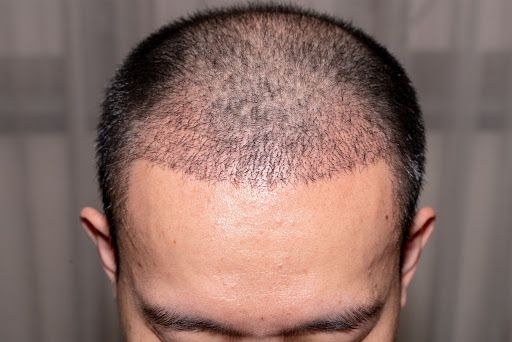
Yes, advanced graft extraction technology can increase hair transplant cost, particularly when a clinic uses motorized or robotic systems that require specialized equipment and maintenance. These technologies can assist with identifying and extracting individual follicular units, but the final price also depends on the number of grafts required, the treatment technique, and the services included. Patients researching تكلفة زراعة الشعر في دبي can learn how modern extraction methods may affect pricing and what to consider before choosing a procedure. Advanced technology may offer practical advantages, but it does not automatically guarantee better results for every patient.
How Does Advanced Graft Extraction Technology Work?
Hair transplantation involves collecting healthy follicular units from a donor area, usually at the back or sides of the scalp, and placing them into areas affected by thinning or baldness.
Traditional manual Follicular Unit Extraction (FUE) uses specialized instruments operated by a trained practitioner to remove individual follicular units. Motorized systems use powered instruments to assist extraction, while robotic systems can use imaging and computer-guided mechanisms to help identify and harvest selected grafts.
These technologies differ in their capabilities, equipment requirements, and suitability for individual patients. Robotic systems generally assist with specific stages of extraction rather than independently performing the entire transplant. Clinical judgment remains essential for treatment planning, graft handling, hairline design, and implantation.
Why Can Advanced Extraction Technology Increase Hair Transplant Cost?
Several factors may contribute to a higher price when advanced extraction equipment is used.
Equipment and Maintenance Expenses:
Robotic and specialized motorized systems may require substantial investment in equipment, maintenance, servicing, and compatible consumables. Clinics may account for these expenses when setting their treatment fees.
The extent to which these costs affect the patient's quotation depends on the provider's pricing structure and how frequently the equipment is used.
Specialized Training and Clinical Expertise:
Advanced technology still requires trained professionals who understand hair growth direction, follicular anatomy, donor area limitations, and appropriate extraction techniques.
The experience of the treating practitioner and the clinical team's expertise can influence the overall cost. Equipment alone cannot replace the skill needed to select suitable grafts and manage the procedure safely.
Procedure Time and Graft Requirements:
Some extraction systems may help improve workflow or reduce repetitive manual work in selected circumstances. However, the total procedure time depends on the number of grafts, hair characteristics, extraction difficulty, and the technique used.
Patients requiring a larger number of grafts may face higher overall costs regardless of whether extraction is manual, motorized, or robotic.
What Are the Potential Benefits of Advanced Graft Extraction Technology?
Advanced extraction systems can offer practical benefits when appropriately selected and operated by qualified professionals.
- Assisted graft targeting: Imaging and guided instruments may help identify suitable follicular units for extraction.
- Consistent workflow: Some systems can support repeatable movements during lengthy procedures.
- Reduced repetitive effort: Motorized and robotic equipment may reduce some of the physical demands on the clinical team.
- Support for selected cases: Certain technologies may be useful for patients whose hair characteristics and donor areas are compatible with the equipment.
The benefits vary by device, practitioner experience, and patient characteristics. Advanced equipment does not eliminate the risk of damaging follicles, and it cannot guarantee improved graft survival or a more natural-looking result.
Is Robotic FUE More Expensive Than Manual FUE?
Robotic FUE may cost more than manual FUE because robotic systems involve additional equipment and operating expenses. However, the difference is not universal. Some providers charge similar rates for both techniques, while others apply a separate technology fee or minimum procedure charge.
Manual FUE remains a widely used option when performed by a suitably trained professional. Robotic extraction may be appropriate in selected cases, but its suitability depends on factors such as hair colour, hair direction, donor characteristics, and the capabilities of the specific system.
Patients should ask what the technology actually does during the procedure and whether it offers a meaningful advantage for their individual needs.
Does Advanced Technology Guarantee Better Hair Transplant Results?
No. The quality of a hair transplant depends on multiple factors, including diagnosis, donor hair quality, graft handling, extraction technique, hairline design, implantation, and postoperative care.
A sophisticated extraction system may assist with certain steps, but it does not independently determine the final cosmetic result. The practitioner's judgment remains important throughout treatment.
Patients should be cautious of claims suggesting that robotic or advanced extraction technology eliminates scarring, prevents all graft damage, or guarantees a particular level of hair density. All extraction methods carry potential limitations and risks.
How Can Patients Compare the Cost of Advanced and Traditional Techniques?
When comparing quotations, patients should consider the complete treatment plan rather than focusing only on the equipment used.
Ask the provider whether the estimate includes:
- Consultation and scalp assessment
- Donor area evaluation and graft planning
- The extraction and implantation procedures
- Specialized equipment or technology fees
- Medications and postoperative care
- Follow-up appointments and any additional charges
Patients should also confirm who performs the extraction and implantation, what qualifications the practitioner holds, and how complications would be managed.
A detailed written estimate makes it easier to compare techniques fairly. The most appropriate option is the one that suits the patient's clinical needs and budget, rather than simply the most technologically advanced or expensive method.
Frequently Asked Questions:
Does robotic hair transplantation always cost more?
Not always. Robotic systems may increase costs because of equipment and operating expenses, but individual providers use different pricing structures.
Can advanced extraction technology reduce procedure time?
It may improve workflow in some cases, but the overall duration depends on the graft count, hair characteristics, and complexity of the procedure.
Is motorized FUE better than manual FUE?
Neither method is automatically better for every patient. The outcome depends on the practitioner's skill, the equipment used, and individual donor hair characteristics.
Does advanced technology improve graft survival?
It may assist with selected aspects of extraction, but graft survival also depends on careful handling, storage, implantation, and other clinical factors. No system can guarantee a particular result.
Should I pay more for a clinic that uses robotic extraction?
Not solely because it uses robotic technology. Ask about its suitability for your case, the practitioner's experience, the services included, and the evidence supporting the clinic's claims.
Conclusion:
Advanced graft extraction technology can increase hair transplant cost because specialized systems may require additional equipment, maintenance, training, and operating expenses. Although motorized and robotic methods can support certain aspects of graft harvesting, they do not guarantee superior results for every patient. Manual FUE can also be appropriate when performed by a qualified professional. Patients should compare treatment plans, verify practitioner qualifications, and request transparent pricing before deciding which approach best suits their needs.