
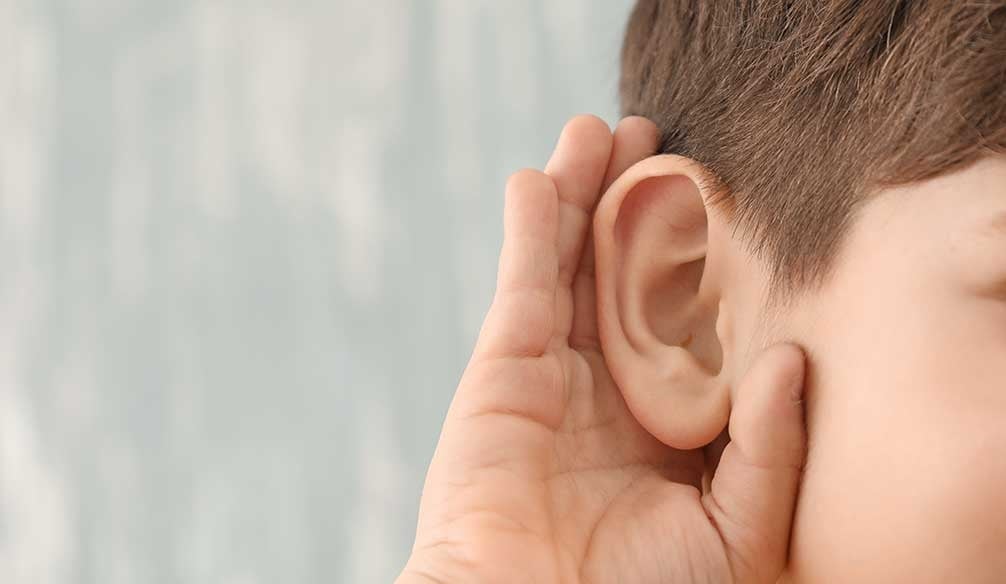
Achieving a harmonious and confident look often begins with small but impactful enhancements, and Ear Reshaping in Dubai (جراحة الأذن في دبي) has emerged as a sought-after solution for individuals looking to correct ear size, shape, or protrusion. This procedure is designed to refine the ear’s appearance while maintaining a natural balance with facial features. Many wonder how this process works and whether it is suitable for them, making it essential to understand the treatment thoroughly before making a decision.
What Is Ear Reshaping and How It Works:
Ear Reshaping (جراحة الأذن) is a surgical or minimally invasive procedure aimed at correcting ear deformities or asymmetry. The treatment can address a variety of concerns, including protruding ears, uneven ear size, or misshaped cartilage. The process typically involves reshaping the ear cartilage, repositioning the ears closer to the head, or correcting structural irregularities. The goal is not only aesthetic enhancement but also restoring proportion and balance to the overall facial appearance. The procedure is precise, often customizable, and focused on long-lasting results while minimizing visible scarring.
Importance of Ear Reshaping:
Ear appearance can significantly impact self-esteem and social confidence. Protruding or asymmetrical ears often cause self-consciousness, especially among young adults and children. By correcting these issues, individuals experience improved facial harmony, which can positively influence personal and professional interactions. Ear reshaping is not just cosmetic; for some, it addresses congenital or trauma-related deformities, providing functional as well as aesthetic benefits.
Types of Ear Reshaping Treatments:
There are several approaches to ear reshaping depending on the individual’s needs:
- Otoplasty: The traditional surgical method to correct prominent or misshaped ears.
- Non-Surgical Ear Pinning: Uses absorbable stitches to adjust ear positioning with minimal incisions.
- Ear Reconstruction: For cases involving congenital deformities or injuries, reconstructive techniques restore both form and function.
- Cartilage Grafting: Enhances the ear’s structure by using cartilage from the patient’s own body for natural results.
Each treatment type offers different recovery times, aesthetic outcomes, and suitability, so understanding options is crucial.
Preparation and Aftercare:
Proper preparation and diligent aftercare are key to optimal results. Patients should:
- Avoid medications that increase bleeding risk before surgery.
- Follow pre-procedure hygiene guidelines and dietary instructions.
- Arrange for post-procedure support, as early movement restrictions may be necessary.
Aftercare includes wearing protective headgear if recommended, maintaining cleanliness to prevent infection, and following follow-up appointments for monitoring healing. Swelling and mild discomfort are common but usually subside within a few weeks. Consistent adherence to aftercare instructions ensures better aesthetic results and faster recovery.
Ideal Candidate and How to Choose the Right Clinic:
The best candidates for ear reshaping are individuals in good overall health, with realistic expectations, and seeking to correct specific ear concerns. Candidates may include those with congenital ear deformities, traumatic injuries, or cosmetic concerns such as protruding or asymmetrical ears.
When selecting a clinic, prioritize:
- Facilities with a clean, well-equipped surgical environment.
- Professionals experienced in ear procedures.
- Clinics offering personalized treatment plans tailored to individual anatomy.
- Supportive aftercare services to ensure smooth recovery.
Choosing a reputable clinic helps achieve natural-looking results while minimizing risks.
Risks, Benefits, and FAQs:
Risks:
Like any procedure, ear reshaping carries potential complications, including infection, asymmetry, scarring, or temporary numbness. Understanding these risks helps set realistic expectations.
Benefits:
Improved ear symmetry, enhanced facial balance, and increased self-confidence are primary benefits. Many patients also appreciate long-lasting results with minimal visibility of surgical marks.
FAQs:
How long does recovery take?
Typically 2-4 weeks for most daily activities.
Is the procedure painful?
Mild discomfort is common but manageable with prescribed care.
Are results permanent?
Yes, with proper healing and care, the results are long-lasting.
Conclusion:
Ear Reshaping in Dubai (جراحة الأذن في دبي) offers a reliable path to achieving natural, balanced ears that complement your facial features. By understanding the procedure, preparation, types of treatments, and aftercare, individuals can make informed decisions that boost confidence and overall appearance. Whether addressing cosmetic concerns or congenital conditions, ear reshaping ensures a harmonious and aesthetically pleasing result tailored to your unique features.