
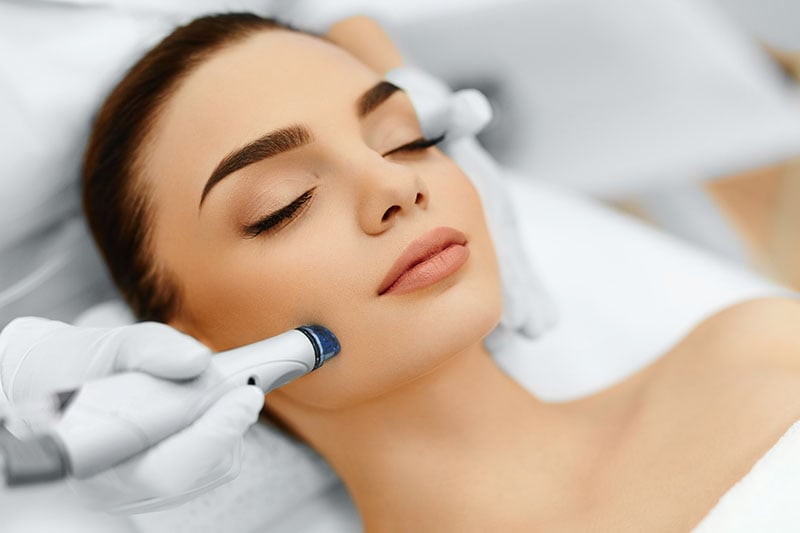
Microdermabrasion and regular facials are popular skincare treatments designed to improve the appearance and feel of the skin, but they work in different ways. A regular facial typically focuses on cleansing, hydration, and relaxation, while microdermabrasion uses controlled mechanical exfoliation to remove dead cells from the skin's outermost layer. People exploring تقشير البشرة الدقيق في دبي can benefit from understanding these differences before choosing a treatment that suits their skin type and skincare goals.
What Is Microdermabrasion?
Microdermabrasion is a non-invasive exfoliation procedure that removes accumulated dead skin cells from the surface of the skin. It commonly uses a specialized device with a diamond-tipped applicator or fine crystals, depending on the equipment. Some devices also use suction to collect loosened skin cells and surface debris.
The treatment is designed to improve superficial skin concerns, such as dullness, rough texture, and mild congestion. It may help the complexion look smoother and more refreshed, although results vary depending on the individual's skin condition and treatment method.
Microdermabrasion is generally more focused on mechanical exfoliation than a standard facial. It should be performed by a trained professional who can adjust the technique according to the skin's sensitivity and needs.
What Is a Regular Facial?
A regular facial is a skincare treatment that typically combines several steps to cleanse, moisturize, and care for the skin. The exact procedure depends on the facial type and the products used.
A typical facial may include:
- Cleansing: Removes makeup, excess oil, and surface impurities.
- Exfoliation: Helps remove dead skin cells using a gentle scrub, enzyme product, or chemical exfoliant.
- Steam or warm towels: May be used to soften the skin or prepare it for other steps.
- Extractions: A trained professional may remove selected blackheads or clogged pores when appropriate.
- Mask application: Provides hydration or targets concerns such as excess oil.
- Moisturizing: Helps maintain skin hydration and comfort.
- Sun protection: May be applied at the end of a daytime treatment.
Not every facial includes all these steps. Some focus on hydration, while others target acne-prone skin, sensitivity, or general skin maintenance.
What Are the Main Differences Between Microdermabrasion and Regular Facials?
Treatment Method:
The most important difference is how each treatment works.
Microdermabrasion uses a device to physically exfoliate the outermost layer of the skin. The practitioner controls the device's movement, pressure, and intensity to remove surface buildup.
A regular facial usually relies on cleansing products, masks, moisturizers, and sometimes manual or product-based exfoliation. Its primary purpose is general skincare rather than device-based resurfacing.
Level of Exfoliation:
Microdermabrasion provides targeted mechanical exfoliation and may be more intensive than the exfoliation included in a basic facial. It can help improve superficial roughness and dullness.
Regular facials vary considerably in exfoliation strength. Some provide very gentle exfoliation, while others use active ingredients that may be more intensive. Therefore, the difference depends partly on the particular facial being compared.
Skin Concerns Addressed:
Microdermabrasion may be considered for:
- Dull-looking skin.
- Mildly rough or uneven texture.
- Superficial buildup of dead skin cells.
- Some forms of mild pore congestion.
- The appearance of certain superficial fine lines.
Regular facials are commonly chosen for cleansing, hydration, temporary improvements in skin softness, and general skin maintenance. Specialized facials may also target oiliness or congestion.
Neither treatment reliably removes deep acne scars, treats every pigmentation concern, or replaces medical treatment for persistent skin conditions.
Hydration and Skin Nourishment:
Regular facials often place greater emphasis on hydration and applying skincare products suited to the skin's needs. Moisturizing masks and serums may help improve the skin's temporary appearance and comfort.
Microdermabrasion focuses primarily on exfoliation. A moisturizer and sunscreen are generally applied afterward to support the skin and protect it from irritation and sun exposure.
A person whose main concern is dryness may benefit more from a hydrating facial, while someone seeking improvement in superficial texture may be considered for microdermabrasion.
Treatment Time and Recovery:
Both treatments can often be completed within a relatively short appointment, but duration varies according to the procedure and the area being treated.
Many people return to their normal activities after either treatment. However, microdermabrasion may cause temporary redness, dryness, tightness, or sensitivity, especially if the skin is sensitive or the procedure is too aggressive.
A gentle facial may produce little irritation, although certain products, extractions, or exfoliating ingredients can also cause redness. Recovery depends on the specific treatment and the individual's skin response.
Results and Maintenance:
Microdermabrasion may make the skin feel smoother and look brighter after treatment, but results are generally focused on superficial concerns. Multiple sessions may be recommended when appropriate, with the frequency determined by a qualified professional.
Regular facials can support ongoing cleansing and hydration. Their effects may be temporary, and maintenance appointments depend on the person's skin goals and the type of facial selected.
Neither treatment guarantees permanent changes, and more intensive treatment is not always better.
Which Treatment Is Better for Your Skin?
The better choice depends on your main concern, skin type, and tolerance for exfoliation.
Choose a regular facial if you want to:
- Maintain a basic skincare routine.
- Improve temporary dryness or dehydration.
- Enjoy cleansing and moisturizing.
- Receive a gentler treatment tailored to general skin maintenance.
Consider microdermabrasion if you want to:
- Address superficial roughness or dullness.
- Remove accumulated dead skin cells through mechanical exfoliation.
- Improve the appearance of mild surface congestion.
- Explore a device-based exfoliation treatment after professional assessment.
People with active inflammatory acne, rosacea flare-ups, eczema, sunburn, open wounds, or highly sensitive skin may need to avoid or postpone microdermabrasion. A qualified skincare professional can help determine which approach is suitable.
Can Microdermabrasion and Facials Be Combined?
In some skincare plans, microdermabrasion and selected facial treatments may complement one another. However, combining treatments during the same appointment is not always appropriate.
Because microdermabrasion exfoliates the skin, adding strong acids, abrasive products, or other intensive procedures may increase irritation. A practitioner should decide whether treatments can be combined safely or whether they should be scheduled separately.
After microdermabrasion, use a gentle cleanser, apply a suitable moisturizer, and wear broad-spectrum sunscreen. Avoid additional exfoliation until the skin has recovered and your practitioner advises that it is safe to resume.
Frequently Asked Questions:
Is microdermabrasion more effective than a regular facial?
It depends on the goal. Microdermabrasion may be more targeted for superficial exfoliation and rough texture, while regular facials often focus on cleansing and hydration. Neither is universally better.
Does microdermabrasion hurt more than a facial?
Most people experience mild scratching or suction sensations during microdermabrasion. A regular facial is often gentler, but discomfort depends on the products, extractions, and techniques used.
Can microdermabrasion replace regular facials?
Not necessarily. Microdermabrasion and regular facials serve different purposes. One focuses on mechanical exfoliation, while the other commonly supports cleansing and hydration.
How often should microdermabrasion be performed?
The appropriate frequency depends on skin sensitivity, treatment intensity, and individual goals. A trained professional should recommend a suitable schedule rather than applying the same interval to everyone.
Is microdermabrasion suitable for sensitive skin?
It may not be appropriate for very sensitive, inflamed, or damaged skin. A professional assessment can help identify risks and suggest gentler alternatives.
Conclusion:
Microdermabrasion differs from regular facials mainly in its use of device-based mechanical exfoliation to remove dead skin cells and improve superficial texture. Regular facials generally emphasize cleansing, hydration, and routine skincare, although some include exfoliation too. The right option depends on your skin concerns, sensitivity, and desired outcome. Before choosing microdermabrasion, consult a qualified skincare professional to determine whether it is suitable for your skin and how it may fit into your overall skincare routine.