
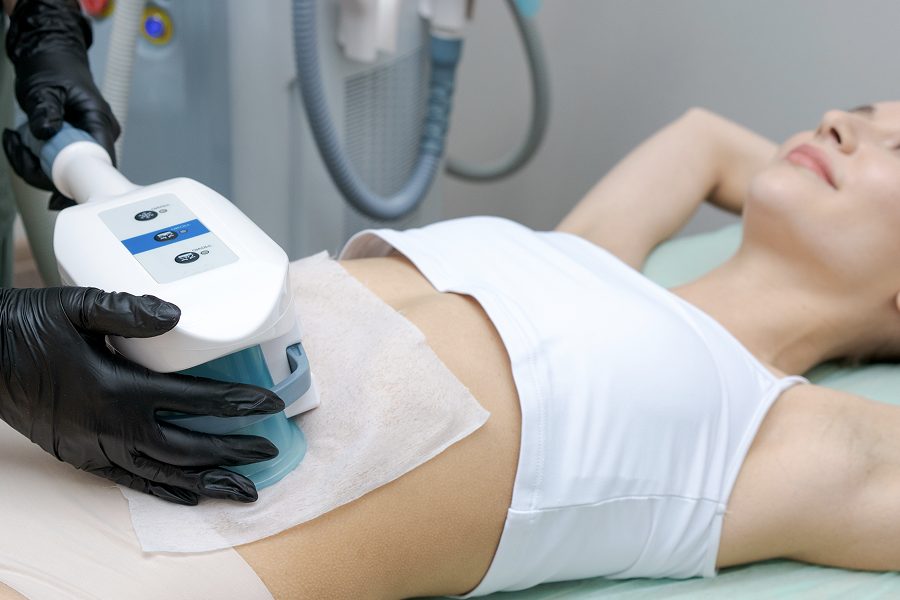
A Liposonix Treatment appointment may take around 30 to 60 minutes for some treatment plans, although the exact duration depends on the device, the size of the treatment area, and the clinical protocol. Additional time may be needed for consultation, preparation, and post-treatment instructions. This non-surgical body-contouring procedure uses focused ultrasound energy to target localized fat deposits, particularly around the abdomen and waist. Individuals interested in علاج ليبوسونيكس في دبي can consult a qualified healthcare professional to learn how long their appointment may take, what happens during the session, and what to expect afterward.
How Much Time Is Needed for the Entire Appointment?
The total appointment time includes more than the ultrasound treatment itself. The practitioner must assess the patient's suitability, prepare the treatment area, perform the procedure, and provide aftercare guidance.
Initial Consultation:
The appointment may begin with a consultation to discuss the patient's body-contouring goals and medical history. The practitioner evaluates the intended treatment area and determines whether Liposonix is appropriate.
Patients should disclose relevant medical conditions, medications, allergies, and previous procedures. The practitioner also explains the potential benefits, limitations, and risks. The length of this stage depends on the complexity of the patient's circumstances and the questions they have.
Treatment Preparation:
Before treatment begins, the practitioner prepares the area according to the device's instructions. This may involve checking the skin, identifying the treatment zone, and marking the area to guide applicator placement.
The practitioner confirms the treatment plan and settings based on the patient's anatomy and the device's approved protocol. Preparation time varies between appointments.
Focused Ultrasound Treatment:
During the procedure, the practitioner positions the applicator over the planned area and delivers focused ultrasound energy according to the treatment protocol.
The energy creates a controlled thermal effect intended to affect targeted fat cells beneath the skin. The treatment does not require surgical incisions or fat removal through suction.
The duration depends on the size of the area and the specific device being used. Patients may experience warmth, pressure, tingling, or discomfort during the session. They should inform the practitioner if they experience unexpected or severe pain.
Post-Treatment Assessment:
After treatment, the practitioner checks the treated area and provides instructions about routine activities, possible side effects, and follow-up care.
Many patients can return home shortly afterward because Liposonix is non-surgical. However, the practitioner may recommend additional assessment if a concern arises during or after the session.
What Factors Affect Appointment Duration?
Several factors can influence how long a Liposonix appointment takes.
- Treatment area: The size and location of the targeted area may affect the time required.
- Device and protocol: Different devices and treatment plans may require different session lengths.
- Individual anatomy: The practitioner's assessment of the treatment area can influence the plan.
- Medical history: Additional screening may be necessary for certain health conditions or previous procedures.
- Consultation requirements: First-time appointments may take longer because of the initial assessment and informed consent process.
Patients should ask their provider for a personalized time estimate rather than assuming that every appointment lasts the same amount of time.
Can Patients Return to Work After the Appointment?
Many patients can resume routine activities relatively quickly after Liposonix Treatment. Because the procedure does not involve surgical incisions, recovery is generally less demanding than recovery from traditional liposuction.
However, some patients experience tenderness, swelling, bruising, or temporary changes in sensation. These effects may influence comfort during work or exercise. Patients should follow their practitioner's recommendations about activity and aftercare.
Severe or worsening pain, unusual skin changes, or persistent numbness should be assessed promptly by a healthcare professional.
Does a Short Appointment Mean Better Results?
No. A shorter session does not necessarily indicate better treatment. Appropriate patient selection, correct device settings, careful application, and adherence to safety procedures are more important than completing the appointment quickly.
Liposonix is designed to target localized fat rather than produce substantial weight loss. The body gradually processes affected fat cells, so any visible changes generally develop over time. Results vary according to individual anatomy, treatment settings, and other factors.
Patients should be cautious of providers who promise guaranteed results or suggest that a very short session will produce a specific body shape.
Frequently Asked Questions:
Is the actual Liposonix procedure completed in less than an hour?
Some treatment plans may take approximately 30 to 60 minutes, but the duration depends on the device and treatment area. The full appointment may take longer.
Does the first appointment take longer?
It may. An initial consultation can involve medical screening, discussion of expectations, and treatment planning in addition to the procedure itself.
Is an overnight hospital stay required?
Usually not. Liposonix is generally performed as a non-surgical outpatient procedure, and suitable patients can normally return home on the same day.
Can I exercise immediately after treatment?
The appropriate timing depends on your response to treatment and your practitioner's advice. Follow the aftercare instructions provided for your specific procedure.
When will I see results?
Changes may develop over several weeks as the body processes affected fat cells. The degree and timing of improvement vary between individuals.
Conclusion:
A Liposonix Treatment appointment may take around 30 to 60 minutes for some treatment plans, with additional time required for consultation, preparation, and post-treatment assessment. The actual duration depends on the treatment area, device, and individual clinical needs. Although many patients can resume routine activities relatively quickly, aftercare and realistic expectations remain important. A qualified healthcare professional can provide a personalized appointment estimate and explain the potential benefits, limitations, and risks before treatment.