
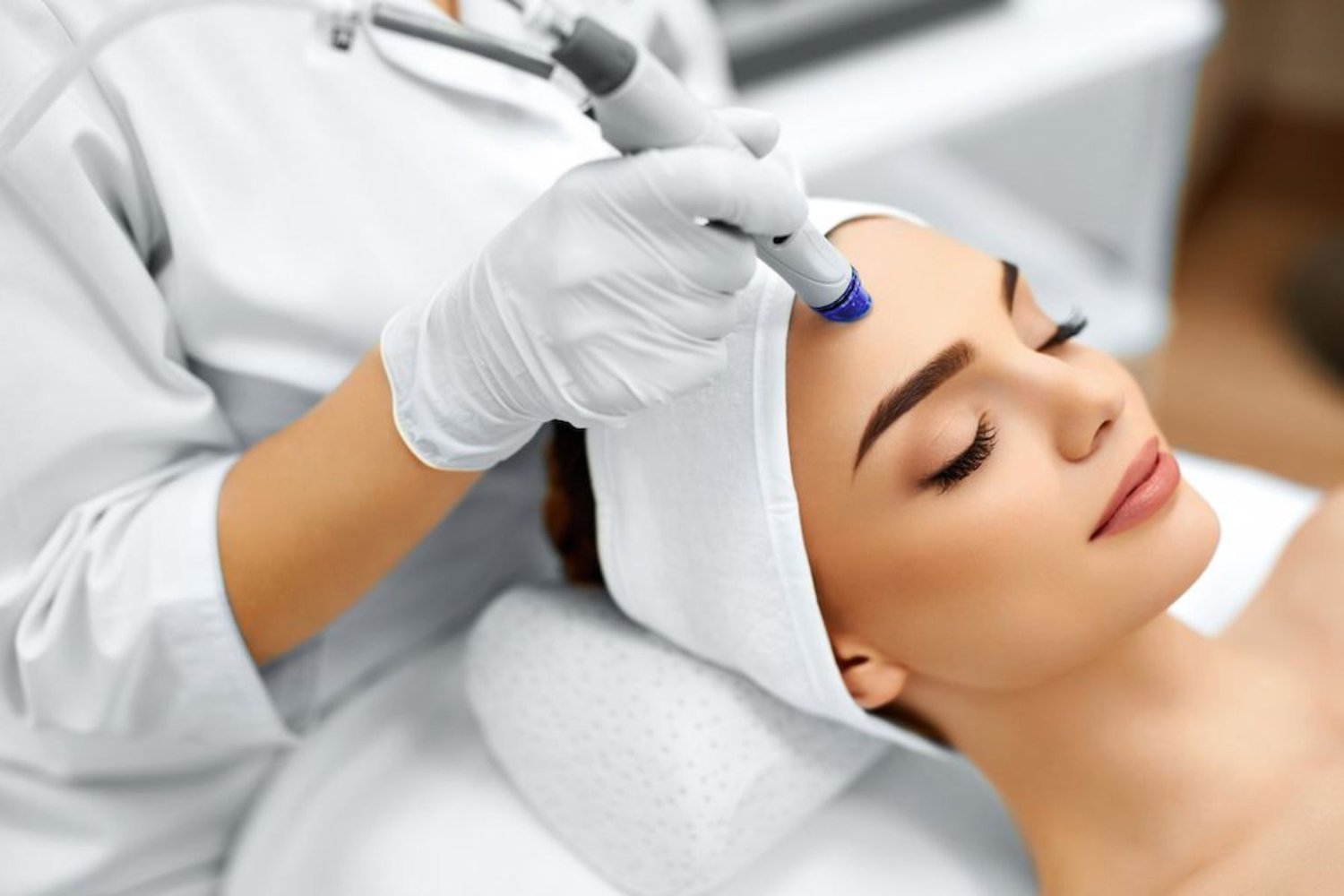
Preparing for a dermatology consultation helps patients communicate their concerns clearly and receive more accurate medical advice. A dermatologist evaluates the skin, reviews medical history, examines existing conditions, and recommends suitable treatment options. Whether someone is experiencing acne, pigmentation, dryness, hair loss, or skin irritation, proper preparation can make the appointment more productive. Individuals seeking professional طب الجلد في دبي can benefit from understanding the steps to take before meeting a skin specialist.
Understand Your Skin Concerns Before the Appointment:
Before visiting a dermatologist, patients should identify the main concerns they want to discuss. Having a clear understanding of symptoms helps the specialist focus on the most important issues.
Common concerns include:
- Persistent acne and frequent breakouts.
- Dark spots and uneven pigmentation.
- Dryness, redness, and irritation.
- Fine lines and wrinkles.
- Unusual moles or skin growths.
- Hair thinning and scalp problems.
- Eczema and other inflammatory conditions.
- Changes in skin texture.
Patients should also consider when the symptoms started, whether they have become worse, and which factors appear to trigger them.
Prepare Your Medical History:
A patient's medical history is important because certain health conditions and medications can influence skin health and treatment suitability.
Before the consultation, prepare information about:
- Previous dermatological diagnoses.
- Current medications and supplements.
- Known allergies and sensitivities.
- Previous skin treatments or procedures.
- Existing medical conditions.
- Family history of skin disorders.
- Previous reactions to skincare products.
It is important to mention prescription medications, including topical creams and treatments used for acne or other skin conditions.
This information helps the dermatologist evaluate possible causes and recommend appropriate care.
Make a List of Current Skincare Products:
Patients should prepare a list of the skincare products they currently use. This helps dermatologists understand which ingredients may be contributing to skin irritation or other concerns.
Include products such as:
- Facial cleansers.
- Moisturizers.
- Sunscreens.
- Serums and exfoliants.
- Acne treatments.
- Anti-ageing creams.
- Prescription skincare products.
Patients can also bring product packaging or photographs of ingredient labels. This allows the dermatologist to review active ingredients and identify possible product interactions.
Avoid Excessive Skincare Treatments Before the Visit:
Before a dermatology consultation, it is generally advisable to avoid introducing unfamiliar skincare products or performing aggressive exfoliation.
Depending on the reason for the appointment, patients may be advised to avoid:
- Strong exfoliating products.
- Unfamiliar chemical peels.
- Harsh facial scrubs.
- New retinoid products.
- Irritating cosmetic treatments.
However, patients should not discontinue prescribed medications unless their healthcare provider recommends doing so.
Following the clinic's preparation instructions is particularly important when the appointment involves a skin procedure or diagnostic test.
Keep the Skin Clean and Natural:
Patients should ideally arrive with clean skin, especially when the consultation involves facial acne, pigmentation, irritation, or other visible concerns.
Helpful preparation includes:
- Gently cleansing the face.
- Avoiding heavy makeup when possible.
- Not applying excessive skincare products.
- Avoiding strong fragrances around the affected area.
- Leaving visible skin concerns uncovered.
This allows the dermatologist to examine the skin more clearly and assess its natural appearance.
Document Changes in Your Skin:
Some dermatological conditions change over time. Keeping a record of symptoms can help the dermatologist understand how the condition has developed.
Patients may consider documenting:
- When the problem first appeared.
- Changes in colour or texture.
- Periods of improvement or worsening.
- Possible environmental triggers.
- Reactions to skincare products.
- Previous treatment results.
Photographs can also be useful when a condition appears intermittently or looks different on the consultation day.
Any unusual or changing mole should be discussed with the dermatologist, particularly if it changes in size, shape, or colour or begins bleeding.
Prepare Questions for the Dermatologist:
Preparing questions helps patients understand their diagnosis and treatment options.
Useful questions may include:
- What is causing my skin condition?
- Do I need additional diagnostic tests?
- Which treatments are suitable for my skin type?
- What are the possible side effects?
- How should I care for my skin at home?
- How long might treatment take?
- Are there activities or products I should avoid?
- When should I schedule a follow-up appointment?
Open communication helps patients make informed decisions about their skincare and medical treatment.
Understand Your Treatment Goals:
Patients should think about what they want to achieve before attending the consultation.
Some individuals want to manage a medical skin condition, while others are interested in improving their skin's appearance.
Treatment goals may include:
- Reducing acne and inflammation.
- Improving uneven skin tone.
- Managing skin sensitivity.
- Improving acne scars.
- Reducing visible signs of ageing.
- Maintaining healthy skin.
- Addressing hair and scalp concerns.
Discussing realistic expectations helps the dermatologist recommend suitable treatments without promising unrealistic results.
Follow Special Preparation Instructions:
Some dermatological appointments require additional preparation depending on the planned examination or procedure.
For example:
- Patients undergoing certain laser treatments may need to avoid tanning.
- Some procedures require temporarily avoiding specific skincare ingredients.
- Allergy testing may require special instructions regarding medications.
- A skin biopsy may involve reviewing medications that affect bleeding.
Patients should follow the instructions provided by their healthcare professional and ask for clarification if anything is unclear.
What Happens During the Dermatology Consultation?
Understanding the appointment process can help patients feel more comfortable.
A typical consultation involves:
Medical History Review: The dermatologist asks about symptoms, medications, allergies, and previous skin conditions.
Skin Examination: The specialist examines the affected areas and evaluates visible skin characteristics.
Diagnostic Assessment: Additional tools or tests may be recommended when necessary.
Treatment Discussion: The dermatologist explains possible treatment options, benefits, risks, and expected outcomes.
Personalized Recommendations: Patients receive guidance about skincare routines, medications, or professional procedures.
Follow-Up Planning: Further appointments may be recommended to monitor progress and adjust treatment.
Common Mistakes to Avoid Before a Dermatology Consultation:
Certain habits can make it harder for dermatologists to evaluate skin conditions accurately.
Patients should avoid:
- Hiding symptoms with heavy makeup.
- Forgetting to mention current medications.
- Starting several new skincare products.
- Ignoring previous allergic reactions.
- Exaggerating or minimizing symptoms.
- Concealing previous cosmetic procedures.
- Expecting immediate results from every treatment.
Providing honest and complete information supports better clinical assessment and treatment planning.
Frequently Asked Questions:
Should I take photographs of my skin problems?
Yes. Photographs can help demonstrate changes in skin conditions that appear intermittently or have improved temporarily.
Can I discuss multiple skin concerns during one consultation?
Yes. Patients can discuss different concerns, although the dermatologist may prioritize the most important medical issues and recommend additional appointments when necessary.
Do I need to prepare questions before seeing a dermatologist?
Preparing questions is helpful because it ensures that important concerns about diagnosis, treatment options, side effects, and aftercare are discussed.
Should I avoid sun exposure before a dermatology consultation?
Avoid excessive sun exposure, particularly if you have an upcoming laser procedure or other treatment that may be affected by tanning. Follow your dermatologist's specific instructions.
Is a dermatology consultation necessary before cosmetic skin treatments?
Yes. A professional assessment helps determine whether a cosmetic procedure is appropriate and identifies potential risks or contraindications.
How can I make my dermatology appointment more productive?
Prepare your medical history, list your skincare products, document symptoms, and communicate your treatment goals clearly.
Conclusion:
Preparing for a dermatology consultation involves understanding your skin concerns, reviewing medical history, organizing skincare information, and preparing relevant questions. Arriving with clean skin and following any specific medical instructions can also support a more accurate examination. Clear communication with a qualified dermatologist helps identify suitable treatment options and develop a personalized skincare plan. Proper preparation makes it easier to address existing concerns and maintain healthier skin over time.