
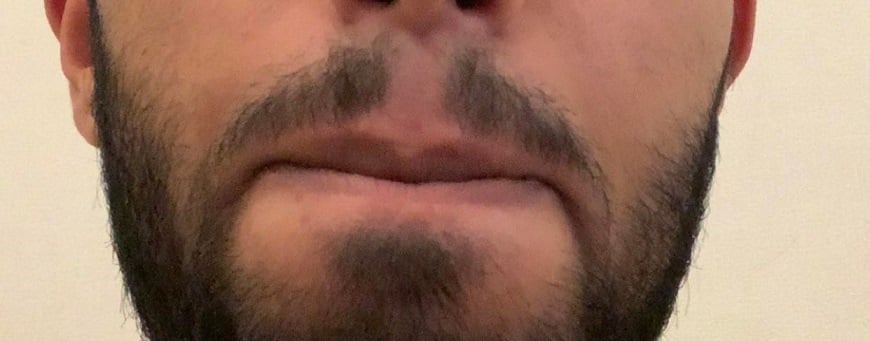
Yes, a Mustache Hair Transplant is generally considered a long-term hair restoration solution because successfully transplanted hair follicles can continue producing hair for many years. The procedure involves transferring healthy follicles from a suitable donor area, commonly the scalp, to areas of the upper lip where moustache growth is sparse or uneven. Men considering زراعة شعر الشارب في دبي should understand that although the results are intended to be long-lasting, individual outcomes vary according to donor hair quality, surgical technique, follicle survival, and personal hair-growth characteristics.
Why Can a Mustache Hair Transplant Provide Permanent Results?
A moustache transplant involves moving living hair follicles rather than adding temporary cosmetic coverage. Once successfully established in the recipient area, these follicles can continue producing hair through their natural growth cycles.
This makes transplantation different from moustache pencils, fibres, and other cosmetic products that temporarily conceal sparse areas.
However, permanent does not mean that every transplanted follicle is guaranteed to survive or remain unchanged throughout life. Some follicles may fail to establish successfully, and the appearance of facial hair can change naturally over time.
Does Transplanted Moustache Hair Fall Out After Surgery?
Temporary shedding is common during the early stages after a hair transplant. The visible hair shafts may fall out while the transplanted follicles remain beneath the skin.
This process is part of the hair-growth cycle and does not necessarily indicate treatment failure. After the initial shedding phase, the follicles may begin producing new hair over the following months.
Patients should avoid judging the final result too early because growth can be uneven during recovery.
How Long Does a Mustache Hair Transplant Last?
Successfully established transplanted follicles are intended to provide long-term growth and may remain productive for many years.
The moustache's final appearance develops gradually rather than immediately after surgery. The initial healing period is followed by shedding and the gradual emergence of new hair.
Visible improvements generally develop over several months, and the final result may take around 9–12 months or longer to assess fully. The timeline depends on individual healing, follicle characteristics, and the extent of transplantation.
What Factors Affect the Permanence of a Mustache Hair Transplant?
Several factors can influence the long-term outcome.
Donor Hair Quality:
The quality, thickness, and characteristics of the donor follicles influence the potential result. A suitable donor area gives the specialist more options when planning the transplant.
Follicle Survival:
Transplanted follicles must survive extraction, handling, and implantation to produce hair. Careful graft handling and appropriate surgical technique help support successful establishment, although survival cannot be guaranteed for every graft.
Implantation Technique:
The angle, direction, and spacing of each follicle affect the appearance of the moustache. Precise placement is especially important around the upper lip, where incorrect growth direction may be noticeable.
Individual Hair Characteristics:
Genetics, hair texture, natural growth cycles, and individual healing can influence the density and appearance of transplanted hair.
Aftercare:
Following postoperative instructions helps protect the treated area during early healing. Patients may be advised to avoid rubbing, scratching, or applying pressure to the recipient area while the grafts establish themselves.
Can a Transplanted Moustache Become Thin Again?
A successfully transplanted moustache can provide long-lasting growth, but its appearance may still change over time.
Not all follicles necessarily produce the same amount of hair, and some transplanted grafts may not survive. Existing facial hair can also change with age or other individual factors.
If the moustache becomes unexpectedly sparse after the expected growth period, the treating specialist can assess the cause and determine whether additional treatment is appropriate.
Can You Shave or Trim a Transplanted Moustache?
Yes. Once the treated area has fully healed and the follicles have become established, transplanted moustache hair can generally be trimmed and groomed like natural facial hair.
Patients should wait until their specialist confirms that shaving is safe. Shaving or rubbing the area too early may interfere with healing, so the clinic's postoperative instructions should be followed carefully.
Is a Mustache Hair Transplant Better Than Temporary Solutions?
The most suitable option depends on the individual's goals.
Temporary cosmetic products can make a moustache appear fuller without surgery, but they require repeated application. A transplant aims to introduce actual follicles into sparse areas, offering the potential for long-lasting growth.
However, transplantation involves a surgical procedure, a recovery period, and possible complications such as infection, scarring, uneven growth, or incomplete follicle survival. A professional consultation helps determine whether the potential benefits outweigh the limitations for an individual patient.
Frequently Asked Questions:
Is a Mustache Hair Transplant permanent?
Successfully established follicles are intended to provide long-term hair growth. However, individual results vary, and no procedure can guarantee that every transplanted follicle will survive permanently.
Can transplanted moustache hair fall out years later?
Transplanted follicles can provide long-lasting growth, but individual hair characteristics and natural changes may affect the appearance over time. Unexpected hair loss should be assessed by a qualified specialist.
How long does it take for transplanted moustache hair to grow?
New growth develops gradually over several months. The final appearance may take around 9–12 months or longer to assess fully.
Will I need another Mustache Hair Transplant?
Not necessarily. Some patients achieve their desired density with one procedure. Additional treatment may be considered if the initial result is insufficient or greater coverage is desired, depending on donor availability.
Can transplanted moustache hair be styled normally?
Once healing is complete, transplanted hair can generally be trimmed and styled according to the patient's preferences.
Conclusion:
A Mustache Hair Transplant is designed to provide long-lasting improvement in moustache density and coverage. Successfully established follicles can continue producing hair for many years, although temporary shedding is common during early recovery and individual results vary. Donor hair quality, follicle survival, implantation technique, and aftercare all influence the final outcome. Men considering transplantation should consult a qualified hair restoration specialist to understand their suitability and receive realistic expectations about long-term results.