
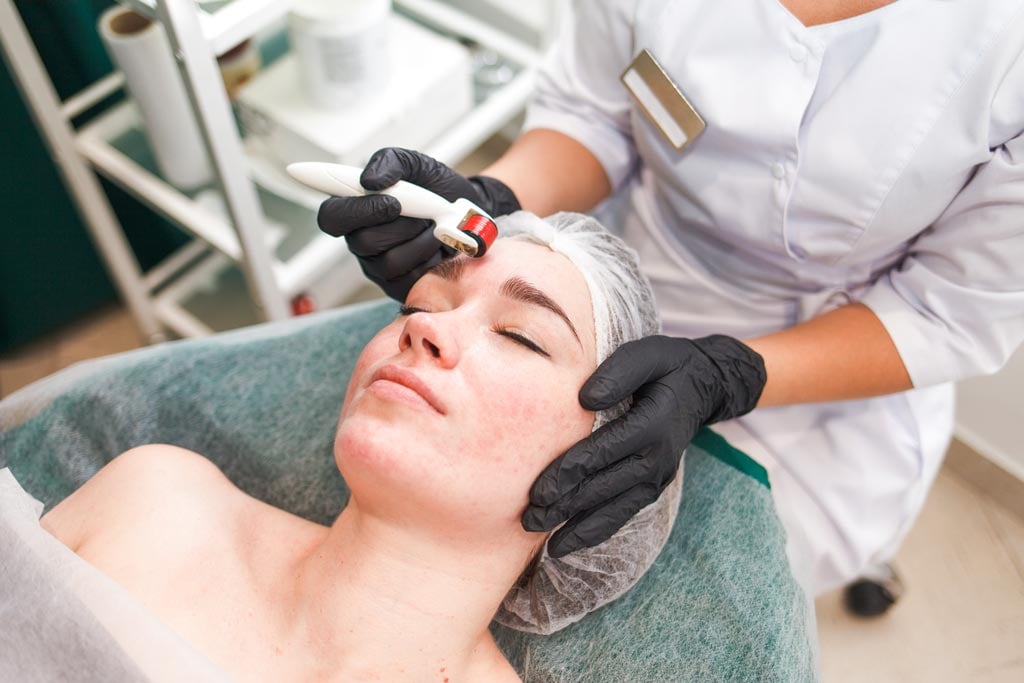
Derma Rollers Treatment is a microneedling procedure that may help improve uneven skin texture, certain acne scars, and the appearance of fine lines by stimulating the skin’s natural healing response. However, it is not suitable for every skin type or condition. People considering علاج ديرما رولر في دبي should understand how skin sensitivity, pigmentation concerns, and existing dermatological conditions can influence treatment suitability. A professional skin assessment helps determine whether microneedling is appropriate and which precautions may be necessary to reduce irritation and other potential complications.
Is Derma Rollers Treatment Suitable for Every Skin Type?
Derma Rollers Treatment may be suitable for many people, but suitability depends on more than whether the skin is oily, dry, normal, or combination. The skin’s current condition, medical history, tendency to develop pigmentation changes, and treatment goals are also important.
Professional microneedling uses fine needles to create controlled micro-injuries that activate the skin’s repair response. This can support collagen remodeling and may improve certain surface irregularities over time.
However, treating skin that is inflamed, infected, damaged, or prone to abnormal scarring can increase risks. A qualified practitioner should assess the skin before recommending the procedure.
How Does Derma Rolling Affect Different Skin Types?
Oily Skin:
People with oily skin may consider microneedling when they want to improve certain acne scars or uneven texture. The procedure is not primarily designed to reduce oil production, and it should not be performed over active inflammatory acne without appropriate assessment.
A practitioner can determine whether microneedling is suitable and whether another treatment may better address excess oil or congestion.
Dry Skin:
Dry skin may be suitable for microneedling if the skin barrier is healthy and there is no significant irritation or cracking. However, dry or dehydrated skin can be more uncomfortable during recovery.
A practitioner may recommend improving hydration and addressing skin-barrier problems before treatment. Gentle cleansing and appropriate moisturizing are important during aftercare.
Combination Skin:
Combination skin has areas with different characteristics, such as an oily forehead and drier cheeks. Microneedling may be considered for selected concerns, but the treatment approach should account for differences in sensitivity across the face.
A professional can assess the areas requiring treatment and determine suitable techniques.
Sensitive Skin:
Sensitive skin requires particular care because microneedling can cause temporary redness, swelling, tenderness, and irritation. People who frequently experience burning, stinging, or reactions to skincare products should discuss these symptoms during the consultation.
Treatment may need to be postponed if the skin is irritated or its protective barrier is compromised. In some cases, an alternative procedure may be more appropriate.
Mature Skin:
Mature skin may be considered for microneedling when the goal is to improve the appearance of certain fine lines or uneven texture. However, skin thickness, healing capacity, medications, and other age-related changes can influence the treatment plan.
A professional assessment helps establish realistic expectations and determine whether microneedling is suitable.
Does Skin Tone Affect Treatment Suitability?
People with lighter, medium, or darker skin tones may be candidates for professional microneedling. Unlike some procedures that target pigment with light or laser energy, microneedling does not rely on the same pigment-targeting mechanism.
However, this does not mean that every person has the same risk. Skin irritation can trigger post-inflammatory hyperpigmentation, particularly in individuals who are prone to dark marks after inflammation or injury.
To reduce avoidable risks, a qualified practitioner should assess pigmentation history, select an appropriate technique, and provide clear aftercare instructions. Excessive needle depth or aggressive treatment can increase the likelihood of complications regardless of skin tone.
Who Should Avoid or Postpone Derma Rollers Treatment?
Some skin conditions may make microneedling unsuitable or require treatment to be delayed.
These include:
- Active skin infections: Treating infected skin may spread infection or worsen inflammation.
- Inflamed acne: Needling over active inflammatory lesions can aggravate the condition.
- Open wounds or sunburn: Damaged skin needs to recover before a cosmetic procedure is considered.
- Certain inflammatory skin conditions: A practitioner should assess whether the procedure could worsen symptoms.
- A tendency to develop keloid scars: Microneedling may increase the risk of abnormal scarring in susceptible individuals.
- Recent cosmetic procedures: The skin may need adequate recovery time before another treatment.
People taking medications that affect healing or skin sensitivity should disclose them during the consultation. Do not stop prescribed medication without advice from the prescribing clinician.
How Can You Prepare for Treatment?
Preparation should be tailored to your skin and the type of microneedling planned.
- Discuss your skin concerns, medical history, allergies, and medications.
- Tell the practitioner about recent peels, laser treatments, or other cosmetic procedures.
- Follow professional instructions about retinoids and exfoliating products.
- Avoid excessive sun exposure and do not proceed with sunburned or irritated skin.
- Confirm that sterile equipment and appropriate hygiene practices will be used.
A professional should explain the expected benefits, possible side effects, and recovery process before beginning treatment.
What Aftercare Is Important for Different Skin Types?
After microneedling, temporary redness, swelling, tenderness, or sensitivity may occur. Recovery needs can vary according to skin type and treatment intensity.
Helpful precautions include:
- Use a gentle cleanser and suitable moisturizer as advised.
- Protect the skin from direct sunlight and apply sunscreen when recommended.
- Avoid scrubs, exfoliating acids, and other irritating products until advised that they can be resumed.
- Do not pick, scratch, or rub the treated area.
- Follow the practitioner's instructions about makeup and other skincare products.
Seek medical advice if pain or redness worsens, or if you develop pus, fever, or other signs of infection.
Frequently Asked Questions:
Is Derma Rollers Treatment Safe for Dark Skin?
Professional microneedling may be suitable for darker skin tones, but irritation can cause post-inflammatory hyperpigmentation. An assessment of your pigmentation history and careful treatment planning are important.
Can People With Sensitive Skin Get Derma Rolling?
Some may be candidates, but sensitive or irritated skin requires careful evaluation. Treatment should be postponed if the skin barrier is damaged or inflammation is present.
Is Derma Rolling Suitable for Oily and Acne-Prone Skin?
It may help with certain acne scars after active inflammation has been addressed. It is not a treatment for needling directly over active inflammatory acne.
Does Dry Skin Need Special Preparation?
Dry skin may benefit from addressing dehydration and barrier irritation before treatment. Follow the practitioner’s guidance on suitable skincare products.
Conclusion:
Derma Rollers Treatment may be suitable for several skin types, including oily, dry, combination, and mature skin, but it is not appropriate for everyone. Skin sensitivity, active inflammation, pigmentation history, and the risk of abnormal scarring must be considered before treatment. Professional assessment, sterile equipment, appropriate technique, and careful aftercare can help reduce complications. Anyone considering Derma Rollers Treatment should consult a qualified skincare professional to determine whether the procedure matches their skin condition and goals.