
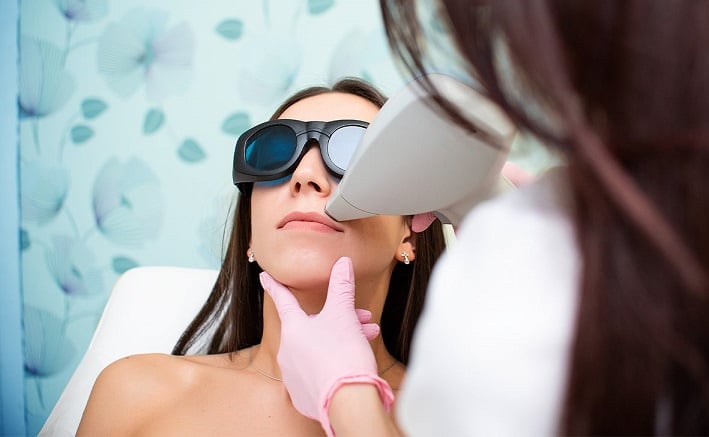
Fine body hair is a common cosmetic concern for individuals who prefer a smoother-looking appearance without necessarily removing all their natural hair. Many people explore different hair treatment options to make light or delicate strands less noticeable while maintaining their natural skin appearance. Understanding whether laser hair bleaching is suitable for fine body hair requires considering hair texture, color, skin sensitivity, and individual aesthetic goals. Patients researching تبييض الشعر بالليزر في دبي can explore professional cosmetic hair treatment information and learn which approaches may suit their requirements. A specialist consultation helps determine the most appropriate technique for different hair types.
Understanding Fine Body Hair:
Fine body hair consists of thin, delicate strands that may appear lighter or less noticeable than coarse hair. It commonly grows on areas such as the arms, cheeks, upper lip, shoulders, and other parts of the body.
Although fine hair is usually less visible, some individuals notice it because of its color, length, or contrast with their surrounding skin.
The appearance of fine body hair varies between individuals. Genetics, hormones, age, and other personal characteristics can influence hair thickness and distribution.
Before choosing a cosmetic treatment, patients should understand their hair characteristics and identify the specific concern they want to address.
Can Laser Hair Bleaching Work on Fine Body Hair?
The suitability of a bleaching method for fine body hair depends on the technique being used.
Traditional cosmetic bleaching changes the color of existing hair, making it less noticeable against the skin. Fine hair may already have a subtle appearance, so the visible improvement can vary depending on its original color and thickness.
It is also important to distinguish cosmetic bleaching from laser hair removal. Traditional laser hair removal relies on melanin in the hair to absorb light energy and transfer heat to targeted follicles.
Fine, light-colored hair may respond less effectively to conventional laser hair removal because it often contains less pigment.
Patients should ask specialists which specific procedure is being offered and whether it is appropriate for their hair type.
Why Hair Thickness and Color Matter:
Hair thickness and color influence the suitability of different cosmetic procedures.
Fine Hair:
Thin strands may be less noticeable than coarse hair. Some cosmetic bleaching methods may be considered, depending on the hair's original color and the desired result.
Dark Hair:
Dark fine hair may be more visible against lighter skin. Patients may explore cosmetic approaches to reduce its appearance.
Light Hair:
Naturally light or blonde hair may already have limited contrast with the surrounding skin. Bleaching may provide less noticeable cosmetic improvement.
Coarse Hair:
Coarse hair is generally thicker and more visible. It may require a different cosmetic approach depending on the patient's treatment goals.
A professional assessment helps identify the most appropriate option.
Which Body Areas May Be Considered for Fine Hair Treatment?
Fine hair can appear in different areas of the body, and each region has unique treatment considerations.
Arms and Forearms:
Fine hair on the arms and forearms is common. Some individuals may prefer making darker strands less noticeable while maintaining natural hair growth.
Facial Areas:
Fine facial hair may appear around the cheeks, upper lip, and jawline. Because facial skin is sensitive, any cosmetic procedure should be carefully assessed by a qualified professional.
Shoulders and Back:
Some individuals have fine hair across their shoulders and upper back. Treatment suitability depends on the distribution of hair and the selected cosmetic method.
Abdomen:
Fine abdominal hair may be noticeable because of its color or length. Patients can discuss suitable options with a specialist before choosing a treatment.
Not every technique is appropriate for every body area, so individual assessment remains important.
Benefits of Choosing an Appropriate Cosmetic Hair Treatment:
Selecting a suitable procedure can help patients address unwanted hair according to their preferences.
Potential benefits of appropriate cosmetic hair treatments include:
- Making selected hair less noticeable.
- Supporting a natural-looking appearance.
- Addressing individual hair concerns.
- Exploring alternatives to complete hair removal.
- Receiving recommendations based on hair and skin characteristics.
- Developing a personalized cosmetic treatment plan.
The actual benefits depend on the procedure, the treatment area, and individual characteristics. Patients should avoid expecting identical results to those achieved by other people.
Factors Specialists Consider Before Treatment:
Specialists evaluate several factors before recommending a cosmetic hair procedure for fine body hair.
Hair Density: The amount of hair in the treatment area can influence the overall cosmetic result.
Hair Pigmentation: Natural hair color may affect how visible the strands are and whether a particular treatment is appropriate.
Skin Sensitivity: Sensitive skin may require additional precautions, especially when using bleaching ingredients or light-based technology.
Treatment History: Previous cosmetic procedures and skin reactions can influence recommendations.
Desired Results: Specialists consider whether patients want less visible hair or longer-term hair reduction.
These factors help determine whether bleaching or another treatment is more appropriate.
Is Laser Hair Removal Better for Fine Body Hair?
Laser hair removal and cosmetic bleaching serve different purposes, so neither option is universally better.
Laser hair removal aims to reduce future hair growth by targeting follicles. However, fine hair may be more challenging to treat because it often contains less melanin for the laser to target.
Cosmetic bleaching focuses on changing the appearance of existing hair rather than affecting follicle activity.
Patients with fine body hair should discuss both approaches with a qualified specialist. The recommendation should depend on hair color, skin tone, treatment area, and individual expectations.
Preparation and Aftercare Considerations:
Proper preparation helps reduce the likelihood of unwanted skin reactions.
Before treatment, patients should discuss allergies, existing skin conditions, previous cosmetic procedures, and their current skincare routine.
Depending on the procedure, specialists may recommend avoiding irritating products, exfoliation, or excessive sun exposure before an appointment.
After treatment, patients should follow personalized aftercare instructions. Gentle skincare, suitable moisturization, and sun protection may help maintain skin comfort.
If unusual irritation, persistent redness, or blistering develops, patients should contact their specialist.
Frequently Asked Questions:
Is laser hair bleaching suitable for very fine body hair?
It may be considered depending on the bleaching method, hair color, and skin characteristics. A specialist should evaluate the treatment area before making a recommendation.
Does fine body hair respond well to traditional laser hair removal?
Fine hair may be more difficult to treat with conventional laser hair removal, particularly when it contains little pigment. Suitability depends on individual characteristics and laser technology.
Can fine facial hair be bleached?
Some cosmetic bleaching methods may be considered for facial hair, but facial skin requires additional caution. Professional guidance is recommended.
Does bleaching fine body hair stop future hair growth?
No. Cosmetic bleaching changes the appearance of existing hair but does not prevent follicles from producing new strands.
How can patients choose the right treatment for fine body hair?
Patients should consult a qualified specialist who can evaluate hair color, thickness, skin sensitivity, treatment area, and desired cosmetic results.
Conclusion:
Laser hair bleaching may be an option for individuals who want to make fine body hair less noticeable, but suitability depends on the specific procedure and individual hair characteristics. Fine, light-colored, and delicate strands can respond differently to cosmetic treatments, making professional assessment important. Patients should also understand that bleaching changes hair appearance, whereas conventional laser hair removal aims to reduce future hair growth. By discussing their expectations, evaluating available techniques, and following professional recommendations, patients can make informed decisions about managing fine body hair.