
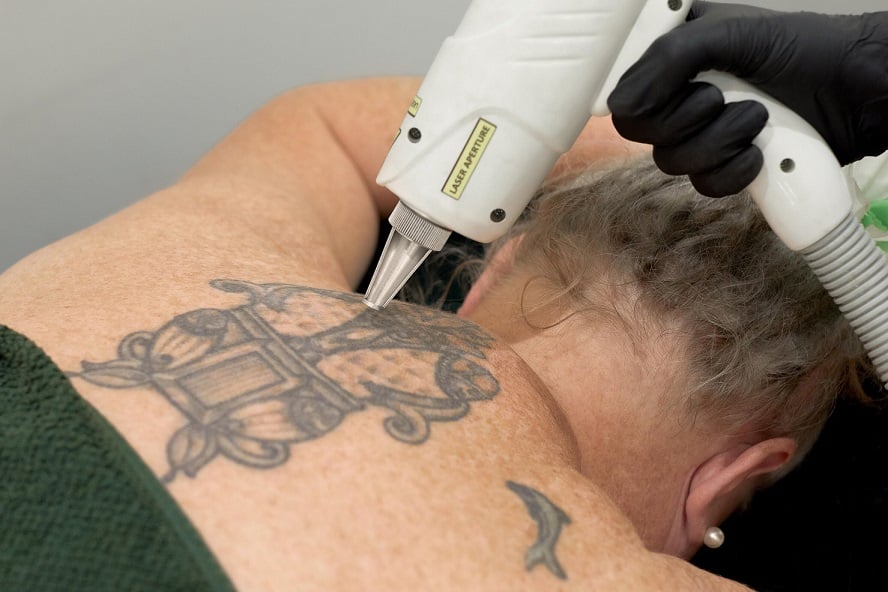
Laser tattoo removal is widely recognised as a non-surgical aesthetic procedure for people who want to fade or eliminate unwanted tattoos without undergoing traditional surgery. Modern laser technology uses concentrated light energy to target tattoo pigments beneath the skin, gradually breaking them into smaller particles that the body's immune system can remove. People considering إزالة الوشم بالليزر في دبي can explore this advanced approach to understand how professional treatments help improve skin appearance without surgical incisions.
What Makes Laser Tattoo Removal a Non-Surgical Procedure?
Laser tattoo removal is considered non-surgical because it does not require cutting the skin, removing tissue, or using stitches. Instead, specialists use advanced laser equipment to deliver controlled energy directly to the tattoo pigments.
Traditional surgical tattoo removal involves physically excising the tattooed skin. In comparison, laser treatment works by targeting the ink while leaving the surrounding tissue largely undisturbed when performed correctly.
This approach makes laser technology a popular option for individuals who prefer a less invasive method of tattoo removal.
How Does Non-Surgical Laser Tattoo Removal Work?
The procedure uses specific wavelengths of light that are absorbed by tattoo pigments. When the laser energy reaches the ink, it breaks larger pigment particles into smaller fragments.
The body's immune system gradually processes these fragments and removes them through natural biological mechanisms.
The treatment generally involves the following process:
Initial Skin Assessment: A dermatologist examines the tattoo's size, colour, location, and depth. Skin type and medical history are also considered.
Preparation: The treatment area is cleaned, and protective eyewear is provided. Numbing cream or cooling may be used to improve comfort.
Laser Application: The specialist directs controlled laser pulses towards the tattoo pigments.
Ink Fragmentation: The laser energy breaks the ink into smaller particles that can be processed by the immune system.
Natural Healing: The body gradually eliminates the fragmented pigments over the following weeks.
Follow-Up Treatment: Additional sessions may be recommended depending on the tattoo's appearance and treatment response.
What Are the Differences Between Surgical and Non-Surgical Tattoo Removal?
Both approaches aim to remove unwanted tattoos, but their techniques and recovery requirements are different.
FeatureLaser Tattoo RemovalSurgical Tattoo RemovalTreatment methodLaser energySurgical excisionSkin incisionNot requiredRequiredStitchesUsually unnecessaryMay be necessaryScarringPossible but generally limitedSurgical scarring is expectedTreatment sessionsUsually multipleOften one procedure for suitable tattoosRecoveryGradual healing between sessionsSurgical wound recovery
Laser removal is often preferred for larger tattoos because it does not require removing the entire tattooed skin area. However, surgical excision may be considered for selected small tattoos after medical assessment.
What Types of Lasers Are Used for Non-Surgical Tattoo Removal?
Different laser technologies can be used depending on the tattoo pigments and individual skin characteristics.
Q-Switched Lasers:
These systems deliver short, high-energy pulses that target tattoo pigments. They are commonly used for black and certain coloured tattoos.
Pico Laser Technology:
Picosecond lasers deliver extremely short pulses that create a photoacoustic effect, helping break tattoo ink into smaller particles. They may be useful for treating different pigment colours.
Nd:YAG Lasers
These lasers are frequently used to target darker tattoo pigments. Certain systems provide different wavelengths to address additional colours.
A qualified dermatologist determines the appropriate technology and settings according to the tattoo and skin type.
What Are the Benefits of Choosing a Non-Surgical Procedure?
Laser tattoo removal offers several advantages for people who want to avoid traditional surgical treatment.
No Surgical Incisions:
The procedure does not require cutting or removing tattooed skin, making it a less invasive alternative.
Targeted Ink Treatment:
Laser energy focuses on tattoo pigments, helping minimise unnecessary exposure to surrounding tissue.
Gradual Results:
The tattoo fades progressively as the body eliminates fragmented ink particles between appointments.
Customised Treatment:
Laser settings can be adjusted according to tattoo size, colour, depth, and individual skin characteristics.
Suitable for Different Tattoo Areas:
Different body areas can be assessed for treatment, including the arms, legs, shoulders, back, and other tattooed locations.
Is Non-Surgical Laser Tattoo Removal Suitable for Everyone?
Although laser tattoo removal can be suitable for many individuals, it is not appropriate for everyone without assessment.
People with certain skin conditions, active infections, unusual skin reactions, or a history of problematic scarring may require additional evaluation.
Skin tone is another important consideration. Different wavelengths and settings may be needed to reduce the risk of pigmentation changes, particularly for darker skin tones.
Patients should also disclose medications, recent tanning, previous tattoo removal attempts, and any history of allergic reactions to tattoo ink.
Does Non-Surgical Tattoo Removal Require Multiple Sessions?
Yes, most laser tattoo removal treatments require multiple sessions. The laser breaks down the ink, but the body needs time to process and eliminate the fragmented particles.
The number of appointments depends on:
- Tattoo size and location.
- Ink colour and density.
- Depth of pigment.
- Age of the tattoo.
- Type of laser technology.
- Individual immune response.
Sessions are generally spaced several weeks apart to allow the skin to recover. Complete removal is not guaranteed, and some tattoos may retain faint pigment.
What Is the Recovery Process After Laser Tattoo Removal?
Because laser treatment does not involve surgical incisions, recovery is generally different from recovery after surgical excision.
Patients may experience temporary redness, swelling, tenderness, or blistering. These reactions usually improve as the treated skin heals.
Following aftercare instructions is essential. Patients should:
- Keep the treated area clean.
- Avoid scratching or picking the skin.
- Protect the area from direct sunlight.
- Avoid irritating skincare products until the skin heals.
- Follow the dermatologist's wound-care instructions.
- Attend recommended follow-up appointments.
Any signs of infection, worsening pain, or unusual skin changes should be assessed by a healthcare professional.
Why Is Professional Treatment Important?
Professional laser tattoo removal requires an understanding of skin anatomy, laser wavelengths, ink composition, and treatment safety.
An experienced dermatologist can evaluate the tattoo, choose appropriate equipment, and adjust energy settings according to individual needs.
Professional treatment also helps reduce the risk of burns, scarring, infections, and unwanted pigmentation changes. Attempting to remove tattoos using home remedies or unregulated devices can cause skin damage without effectively removing the ink.
Frequently Asked Questions:
Is laser tattoo removal completely non-surgical?
Yes. Laser tattoo removal does not require surgical incisions, stitches, or physical removal of tattooed skin.
Does non-surgical tattoo removal leave scars?
Scarring is possible, particularly if the skin is damaged or aftercare is poor. Professional treatment helps minimise unnecessary risks.
Is laser tattoo removal safer than surgical removal?
Laser treatment is less invasive because it does not require cutting the skin. However, both procedures have potential risks, and suitability depends on the individual tattoo.
How many sessions are required?
Multiple sessions are generally necessary. The number depends on tattoo size, colour, ink depth, and individual response.
Can large tattoos be removed without surgery?
Many large tattoos can be treated using laser technology. However, complete removal may require numerous sessions and cannot always be guaranteed.
Does laser tattoo removal damage surrounding skin?
Modern laser systems are designed to target tattoo pigments selectively. Temporary skin reactions can occur, and incorrect settings may cause burns or pigmentation changes.
Conclusion:
Laser tattoo removal is a non-surgical procedure that offers an alternative to traditional surgical tattoo excision. By using concentrated light energy to fragment unwanted ink pigments, the treatment allows the body's immune system to gradually eliminate them without requiring incisions or stitches. Although multiple appointments and proper aftercare are usually necessary, modern laser technology provides a targeted approach to tattoo fading and removal. A professional dermatological consultation helps determine the most suitable treatment method, expected results, and safety considerations.