
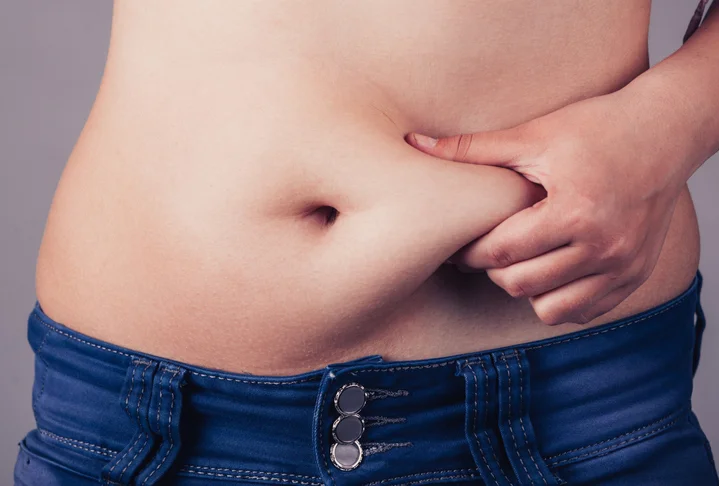
Liposuction is a cosmetic surgical procedure designed to remove stubborn fat deposits and improve body contours. Although it can reduce fat in selected areas, it is not considered a traditional weight-loss procedure. People exploring شفط الدهون في دبي should understand the difference between fat removal and overall weight reduction before choosing treatment. Liposuction focuses on reshaping specific body areas rather than treating obesity or significantly reducing total body weight.
Is Liposuction Designed for Weight Loss?
No. Liposuction is primarily a body-contouring procedure rather than a weight-loss solution.
The procedure removes localized fat cells from areas where unwanted deposits remain despite healthy eating and regular exercise.
For example, someone may maintain a relatively stable weight but still have stubborn fat around the abdomen, hips, thighs, or upper arms. Liposuction can help improve these areas by removing selected fat deposits.
However, it does not address the underlying causes of weight gain, such as lifestyle habits, hormonal factors, or metabolic conditions.
What Is the Difference Between Liposuction and Weight Loss?
Although both can affect body composition, liposuction and weight loss work differently.
Liposuction:
- Removes fat cells from specific body areas.
- Focuses on improving body contours.
- Is performed through cosmetic surgery.
- Is suitable for selected patients with localized fat deposits.
- Does not treat obesity.
Weight Loss:
- Reduces overall body weight.
- Can involve dietary changes and physical activity.
- May include medically supervised treatments.
- Affects fat stores throughout the body.
- Can improve certain weight-related health risks.
Understanding these differences helps patients choose an appropriate approach.
How Much Weight Can Liposuction Remove?
The amount of weight lost through liposuction is generally limited because the procedure focuses on targeted fat removal rather than substantial weight reduction.
The amount of fat that can safely be removed depends on several factors:
- Patient's overall health.
- Body composition.
- Number of treatment areas.
- Surgical technique.
- Anesthesia considerations.
- Individual safety requirements.
The surgeon determines an appropriate treatment plan after evaluating the patient's health and body-contouring goals.
Patients should not choose liposuction based on a specific weight-loss target.
Why Does Liposuction Not Treat Obesity?
Obesity is a complex health condition involving excess body fat and multiple contributing factors. It may be associated with genetics, hormones, metabolism, lifestyle, and certain medical conditions.
Liposuction only removes localized fat deposits from selected areas. It does not treat the underlying factors responsible for obesity.
People with significant excess body weight may benefit more from medically supervised weight-management programs, nutritional guidance, physical activity, or other appropriate treatments.
A healthcare professional can recommend suitable options based on individual needs.
Can Liposuction Remove Stubborn Belly Fat?
Yes. Abdominal liposuction is one of the commonly performed body-contouring procedures.
It targets localized fat deposits around the stomach and waist to improve body proportions.
However, it is important to understand that abdominal fullness can result from different factors, including:
- Subcutaneous fat beneath the skin.
- Visceral fat surrounding internal organs.
- Loose abdominal skin.
- Muscle separation.
- Bloating or other medical conditions.
Liposuction primarily removes subcutaneous fat. It does not remove visceral fat or correct every cause of abdominal enlargement.
A professional examination helps identify the source of abdominal fullness and determine whether surgery is appropriate.
Who Is a Suitable Candidate for Liposuction?
Liposuction may be suitable for adults who have stubborn fat deposits and are relatively close to their desired weight.
Ideal candidates generally:
- Maintain a stable body weight.
- Have good overall health.
- Have localized fat deposits.
- Possess reasonable skin elasticity.
- Have realistic expectations.
- Understand the recovery process.
People with significant obesity or certain medical conditions may require alternative treatments or additional evaluation.
Can Liposuction Improve Body Shape Without Major Weight Reduction?
Yes. One of the main purposes of liposuction is to improve body shape without requiring substantial weight reduction.
For example, removing localized fat around the waist may create a more defined silhouette even when the patient's overall weight changes only slightly.
Potential improvements include:
- Better waist definition.
- Reduced thigh fullness.
- Improved arm contours.
- More balanced body proportions.
- Reduced fullness around the chin and neck.
- Smoother contours in selected areas.
The final appearance depends on skin elasticity, fat distribution, surgical technique, and healing.
What Are the Benefits of Liposuction?
For suitable patients, liposuction offers several potential body-contouring benefits.
Targeted Fat Removal
The procedure focuses on specific areas rather than reducing fat throughout the entire body.
Improved Body Proportions
Removing unwanted fat can create a more balanced appearance between different body areas.
Long-Lasting Fat Reduction
Fat cells removed during surgery are generally permanently eliminated from the treated area.
Personalized Treatment
Surgeons can develop treatment plans according to individual anatomy and aesthetic goals.
Better Clothing Fit
Improved body contours may help patients feel more comfortable wearing different clothing styles.
What Should Patients Expect During Recovery?
Recovery varies according to the treatment areas, amount of fat removed, and surgical technique.
Patients may experience temporary swelling, bruising, tenderness, and discomfort.
General recovery recommendations include:
- Wearing compression garments as instructed.
- Walking gently when permitted.
- Avoiding strenuous activities during early recovery.
- Keeping incision areas clean.
- Following medication instructions.
- Attending postoperative appointments.
Many patients gradually return to daily activities within a few weeks, although final body contours may take several months to develop.
Can Patients Gain Weight After Liposuction?
Yes. Although the procedure removes fat cells permanently, it does not prevent future weight gain.
Remaining fat cells can enlarge when a person gains weight. This may affect the appearance of both treated and untreated areas.
Patients can help maintain their results by:
- Eating balanced meals.
- Exercising regularly.
- Maintaining a stable weight.
- Staying hydrated.
- Following healthy lifestyle habits.
Consistent weight management supports long-term body-contouring results.
Frequently Asked Questions:
Can liposuction replace diet and exercise?
No. Liposuction is a cosmetic procedure and cannot replace healthy eating habits or regular physical activity.
Can overweight people undergo liposuction?
Some overweight individuals may qualify, but suitability depends on their overall health, body composition, and surgical risks.
Does liposuction reduce belly fat?
Yes. It can remove localized subcutaneous fat from the abdominal area but does not remove visceral fat.
Will the weighing scale show significant weight loss after liposuction?
Not necessarily. The procedure focuses on body contours, so visible improvements may occur without a substantial change in overall weight.
Can liposuction help prevent future weight gain?
No. Patients can still gain weight after surgery, so maintaining healthy lifestyle habits remains important.
Is liposuction suitable after major weight loss?
Some patients may benefit from liposuction after reaching a stable weight, but those with significant loose skin may require additional body-contouring procedures.
Conclusion:
Liposuction is not considered a traditional weight-loss procedure because its primary purpose is to remove localized fat deposits and improve body contours. It may benefit individuals who maintain a stable weight but struggle with stubborn fat in specific areas. Although removed fat cells are generally permanently eliminated, future weight gain can still affect results. Patients should understand their treatment goals, maintain realistic expectations, and consult a qualified plastic surgeon to determine whether liposuction is an appropriate option.