
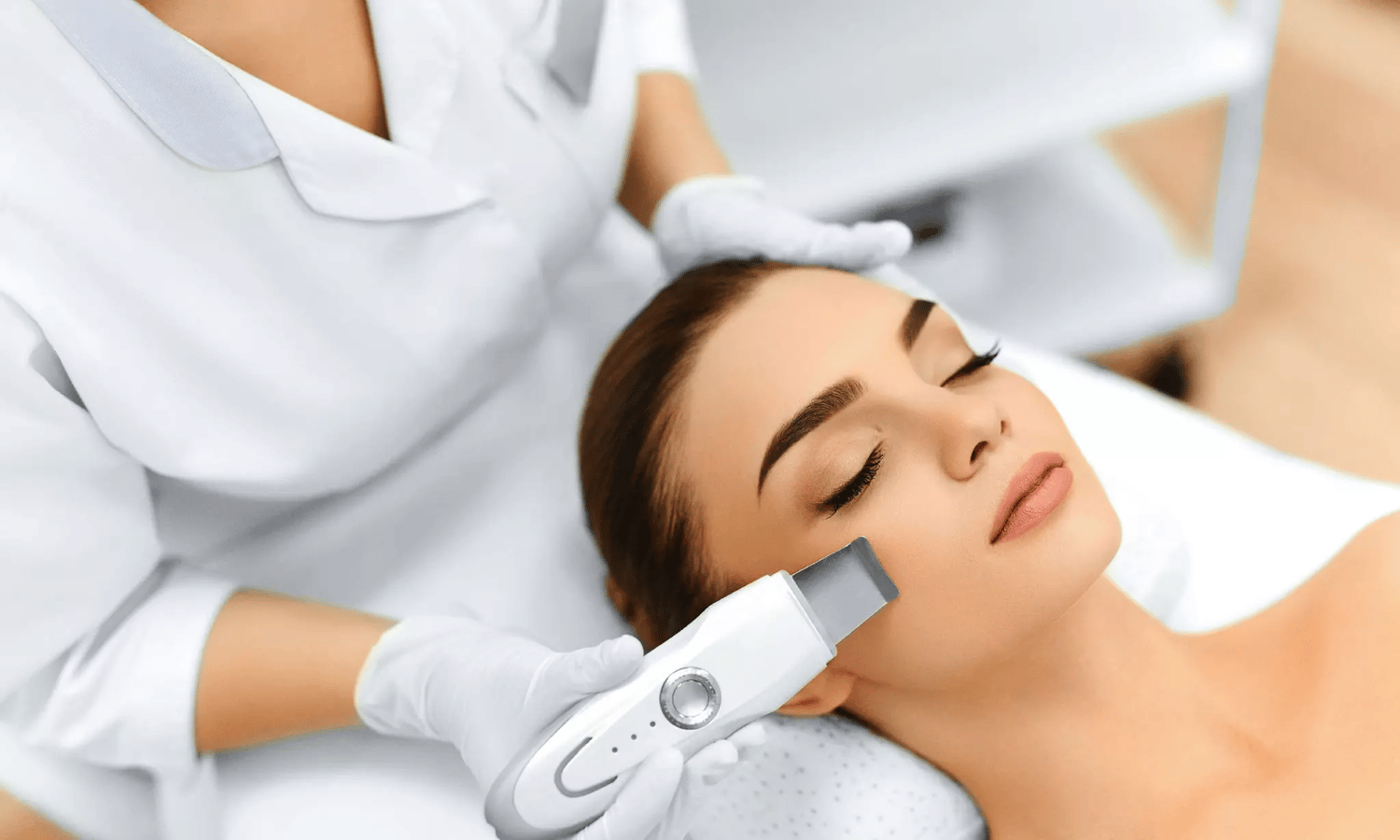
The average cost of HIFU treatment depends on several factors, including the treatment area, the technology used, the practitioner's experience, and the patient's individual skin concerns. HIFU, or High-Intensity Focused Ultrasound, is a non-surgical aesthetic procedure designed to improve skin firmness and address mild skin laxity. People interested in learning more about تكلفة علاج الهايفو في دبي can explore the factors that influence treatment fees and understand what to consider before choosing a provider. Since every patient has different needs, a personalised consultation is important for determining the appropriate treatment plan.
What Factors Influence the Average Cost of HIFU Treatment?
HIFU treatment costs vary because practitioners customise the procedure according to the patient's goals, skin condition, and the area being treated.
Treatment Area:
The size of the treatment area is one of the main factors influencing the overall cost. Treating a small area, such as beneath the chin, may require less time than treating the full face or combining facial and neck treatments.
Larger treatment areas generally require more treatment lines and additional time. Patients should confirm which areas are included in the proposed treatment plan before booking an appointment.
Type of HIFU Technology:
Different HIFU devices offer varying features, treatment depths, and settings. The technology selected may influence the overall treatment fee.
Patients should ask the practitioner which device will be used and whether it is appropriate for their skin concerns. Device suitability, correct settings, and professional expertise are more important than choosing a treatment based solely on its advertised price.
Practitioner's Qualifications and Experience:
The practitioner's training and experience can also affect treatment costs. HIFU requires an understanding of facial anatomy, appropriate device operation, and patient assessment.
Choosing a qualified professional helps ensure that the treatment is planned according to individual needs. Patients should evaluate professional credentials, safety standards, and consultation quality rather than making a decision based only on affordability.
Number of Sessions Required:
Some patients may achieve their desired improvement after one session, while others may require additional treatment depending on their skin condition and response.
The number of sessions should be determined through professional assessment. Patients should ask whether the treatment plan includes follow-up appointments and whether additional sessions may be recommended later.
How Does the Treatment Area Affect HIFU Costs?
Different treatment areas may require different approaches.
Full-face treatment: Treating the entire face may require more time and treatment lines than addressing one small area. The practitioner considers skin laxity, facial anatomy, and the patient's goals when planning treatment.
Jawline and lower face: Patients concerned about reduced jawline definition may benefit from an assessment to determine whether HIFU is appropriate for their needs.
Under-chin area: HIFU may be considered for selected cases involving mild skin laxity beneath the chin. However, it is not a weight-loss treatment, and it may not adequately address substantial fat deposits or significant excess skin.
Face and neck: Treating both areas can involve a more extensive treatment plan. Patients should confirm whether the neck is included in the proposed package or assessed separately.
The final treatment plan should reflect the patient's needs rather than applying the same approach to everyone.
What Is Usually Included in a HIFU Treatment Package?
Treatment packages can differ between providers. Some may include an initial consultation, skin assessment, and post-treatment guidance, while others may charge separately for certain services.
Before proceeding, patients should clarify what the package covers. Important considerations include:
- Initial consultation and suitability assessment.
- The treatment areas included.
- The device and treatment approach being used.
- Expected session duration.
- Follow-up appointments and aftercare guidance.
- The possibility of additional treatments.
Understanding these details helps patients compare providers more effectively and avoid unexpected expenses.
Is HIFU Treatment Worth Considering?
HIFU may be suitable for people seeking a non-surgical approach to improving mild skin laxity and firmness. It delivers focused ultrasound energy into targeted tissue layers, producing a controlled response that may support tissue remodelling over time.
Results are not immediate for everyone. Improvements may develop gradually over several weeks or months, and individual outcomes vary.
HIFU may not be the best option for every concern. People with substantial excess skin or advanced sagging may need to discuss alternative procedures with a qualified medical professional.
Patients should consider the expected benefits, potential side effects, treatment limitations, and available alternatives before making a decision.
How Can You Choose the Right HIFU Provider?
Selecting a suitable provider involves more than comparing treatment packages. A thorough consultation should include an assessment of skin condition, medical history, aesthetic goals, and treatment suitability.
Ask the practitioner about their qualifications, experience with the specific device, possible side effects, and how complications would be managed. You should also receive clear information about recovery and expected results.
Be cautious of providers who promise guaranteed lifting or claim that HIFU can replace every surgical procedure. A responsible professional will explain the limitations of treatment and help establish realistic expectations.
Frequently Asked Questions:
Is HIFU treatment expensive?
The cost varies according to the treatment area, device, provider, and number of sessions. A personalised quote is the best way to understand the expected expense.
Is one HIFU session enough?
Some patients may be satisfied with one session, while others may need further treatment. The appropriate schedule depends on individual skin condition and professional assessment.
Does treating the full face cost more than treating one area?
Generally, treating a larger area may cost more because it can require additional time and energy delivery. The exact price depends on the treatment plan.
Are follow-up appointments included in the price?
This varies by provider. Patients should confirm whether consultation, follow-up assessments, and any additional sessions are included before booking.
Can HIFU replace a surgical facelift?
No. HIFU may improve the appearance of mild skin laxity in selected patients, but it cannot reliably provide the same degree of lifting as surgery for significant sagging.
Conclusion:
The average cost of HIFU treatment depends on the treatment area, technology, practitioner's experience, and the number of sessions required. Understanding what a treatment package includes can help patients compare options and make informed decisions. Although HIFU offers a non-surgical approach to selected skin-tightening concerns, results vary and are not guaranteed. A consultation with a qualified professional can help determine whether the treatment is appropriate and clarify the expected benefits, risks, and personalised treatment plan.