
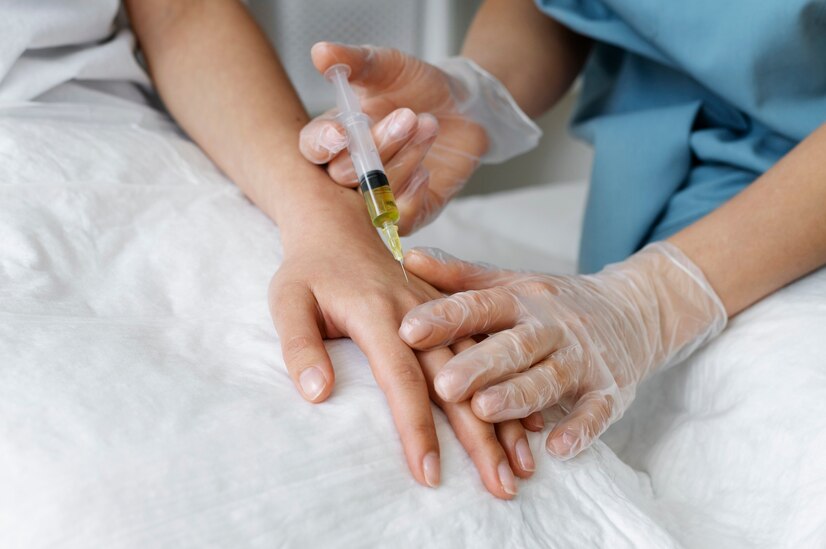
The recovery time after Glutathione Injections can vary depending on the administration method, individual response, and whether any side effects occur. People considering حقن الجلوتاثيون في دبي may wonder whether they need downtime after treatment or can return to normal activities immediately. In many cases, uncomplicated injection procedures do not involve a long recovery period, but there is no universally established recovery timeline for cosmetic glutathione injections. Intravenous glutathione also requires particular caution because safety concerns and adverse reactions have been reported.
Is There A Recovery Period After Glutathione Injections?
Unlike surgical procedures, glutathione injections generally do not involve tissue reconstruction or a prolonged healing process. If the treatment is uncomplicated, some people may be able to resume normal activities relatively quickly.
However, the body's response can differ from one person to another. Mild discomfort at the injection site or temporary symptoms may occur, depending on the administration method and individual sensitivity.
The appropriate recovery advice should therefore be provided by the healthcare professional administering the treatment.
What Can Happen Immediately After Treatment?
Immediately after an injection, the treatment area may feel slightly sore or sensitive. Some people may experience temporary discomfort associated with the injection itself.
For intravenous administration, patients may be monitored for a period after the infusion, particularly because systemic reactions can occur.
There is no reliable evidence that every patient will experience the same recovery pattern. The duration of any symptoms depends on their cause and severity.
How Long Does Injection-Site Discomfort Last?
Minor injection-site discomfort, if it occurs, is generally temporary. The area may feel tender or sensitive for a short period following the injection.
Patients should avoid unnecessarily pressing, rubbing, or irritating the treated area. If increasing redness, significant swelling, severe pain, or other unusual symptoms develop, medical advice should be sought.
The exact duration of local symptoms varies according to the injection technique and the individual's response.
Is There Downtime After Glutathione Injections?
There may be little or no routine downtime after an uncomplicated injection, but this does not mean that every person will feel completely normal immediately afterward.
Some individuals may experience temporary dizziness, nausea, headache, or other symptoms. These effects can be particularly relevant when glutathione is administered intravenously.
Older FDA reports involving certain compounded IV glutathione products documented symptoms such as nausea, vomiting, lightheadedness, chills, body aches, low blood pressure, and breathing difficulties.
Does The Injection Method Affect Recovery?
Yes. The administration method can influence both monitoring requirements and potential recovery.
Intravenous administration introduces glutathione directly into the bloodstream and has been associated with more significant safety concerns than less systemic approaches. Reviews have reported concerns including anaphylaxis and hepatotoxicity, while long-term safety data remain limited.
For this reason, patients should not assume that every type of glutathione injection has the same recovery requirements.
What If Side Effects Occur?
Recovery may take longer if a person develops an adverse reaction.
Symptoms such as persistent vomiting, severe dizziness, significant changes in blood pressure, breathing difficulty, fever, chills, severe headache, or other unusual symptoms require prompt medical evaluation.
The FDA reported in August 2026 that at least 30 patients experienced adverse events after IV glutathione, including fever, chills, pain, dizziness, signs of shock, and sepsis-like symptoms. Some patients required hospitalization.
These events were associated with concerns about inappropriate dietary-supplement-grade glutathione being used in injectable products.
How Can Recovery Be Supported?
After treatment, patients should follow the specific instructions provided by their healthcare professional.
General measures may include:
- Staying adequately hydrated according to individual medical advice
- Avoiding strenuous activity if feeling dizzy or unwell
- Keeping the injection area clean
- Avoiding unnecessary pressure on the treated area
- Monitoring for unusual symptoms
- Contacting a healthcare professional if concerning symptoms develop
There is no need to assume that extensive aftercare is required after every uncomplicated injection.
When Should You Seek Medical Attention?
Certain symptoms should not be considered normal recovery.
Patients should seek urgent medical attention if they experience difficulty breathing, severe dizziness, fainting, significant swelling, severe allergic symptoms, persistent vomiting, very low blood pressure, high fever, or symptoms suggesting a serious systemic reaction.
The FDA has documented severe reactions associated with some compounded IV glutathione products, demonstrating why unexpected symptoms should be taken seriously.
Does Recovery Affect When Results Appear?
Recovery time and the time required to notice cosmetic changes are different things.
A person may feel recovered from the injection relatively quickly while any desired cosmetic effect, if it occurs, may take longer to become noticeable. Evidence for injectable glutathione as a cosmetic skin-lightening treatment remains limited, and effects may vary between individuals.
Therefore, patients should not judge treatment effectiveness solely by how quickly they recover from the injection.
Frequently Asked Questions:
How Long Is The Recovery After Glutathione Injections?
There is no single recovery time. An uncomplicated injection may involve little downtime, while side effects can require additional monitoring or medical care.
Can I Return To Normal Activities After Glutathione Injections?
Many people may resume normal activities after an uncomplicated treatment, but anyone experiencing dizziness, weakness, or other symptoms should follow professional advice before doing strenuous activities.
Is There Downtime After IV Glutathione?
Routine downtime is not necessarily required, but IV glutathione has greater safety concerns and may require appropriate observation after administration.
Can Glutathione Injections Cause Side Effects?
Yes. Possible reactions include injection-site discomfort, nausea, dizziness, headache, blood-pressure changes, and allergic or systemic reactions.
When Should I Contact A Doctor After Glutathione Injections?
Seek medical attention for serious or worsening symptoms such as breathing difficulties, fainting, severe allergic reactions, persistent vomiting, high fever, or significant changes in blood pressure.
Does A Short Recovery Mean The Treatment Is Completely Safe?
No. A short recovery period does not eliminate the risks associated with injectable treatments. Product quality, administration method, and individual health remain important safety considerations.
Conclusion:
The recovery time after Glutathione Injections varies according to the administration method, individual response, and whether complications occur. An uncomplicated treatment may involve little downtime, but IV glutathione requires particular caution because serious adverse events have been reported and long-term safety data remain limited. Patients should follow personalized aftercare instructions, monitor for unusual symptoms, and seek prompt medical attention if serious reactions develop. A professional assessment before treatment can help determine whether glutathione injections are appropriate.