
Transplanted hair does not usually begin growing immediately after a Hybrid Hair Transplant. The follicles need time to recover, establish themselves in the recipient area, and enter the natural hair-growth cycle. If you are considering زراعة الشعر الهجينة في دبي, understanding the expected growth timeline can help you maintain realistic expectations and follow your aftercare instructions properly. While individual results vary, visible new growth generally develops gradually over several months.
What Happens Immediately After a Hair Transplant?
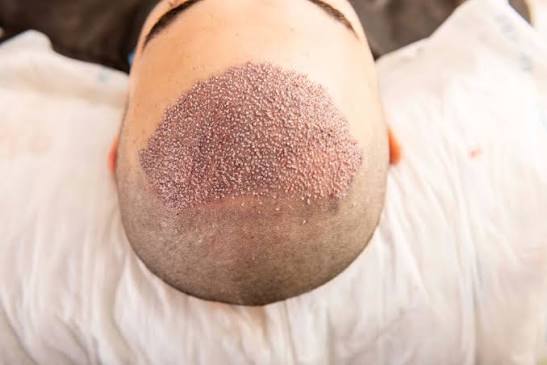
Immediately after the procedure, the transplanted follicles are settling into their new locations. The scalp may appear red or swollen, and small scabs can form around the implanted grafts.
At this stage, the transplanted hair is not expected to show significant growth. The follicles need time to adapt and heal before entering the next stages of their growth cycle.
Following the surgeon's postoperative instructions is important during this early period.
Can Transplanted Hair Fall Out?
Yes. Some patients experience temporary shedding of the visible hair attached to transplanted follicles during the early weeks following surgery.
This is commonly known as shock loss or shedding after transplantation. The follicle itself can remain in place beneath the scalp even when the visible hair shaft falls out.
Therefore, temporary shedding does not necessarily mean that the transplant has failed.
When Does New Hair Growth Begin?
New growth usually becomes noticeable gradually rather than appearing all at once.
Many patients begin seeing early signs of new hair growth within the first few months, although the exact timeline can vary considerably. Some people may notice growth earlier, while others may need more time.
The transplanted follicles follow their own natural growth cycles, so patience is an important part of the recovery process.
Hair Growth During the First Few Months
During the early months, changes may be subtle.
New hairs can initially appear thin, fine, or uneven. This does not necessarily represent the final result. As the follicles continue to develop, the new hairs can gradually become thicker and more noticeable.
Patients should avoid judging the outcome too early because hair growth takes time.
What Happens Between Three and Six Months?
During this stage, many patients begin to notice more visible improvement in the transplanted areas.
New hairs may become longer and stronger, gradually increasing coverage. The appearance can still change significantly as additional follicles enter active growth phases.
The rate of progress varies depending on factors such as individual biology, follicle characteristics, overall health, and adherence to aftercare instructions.
What Happens After Six Months?
Hair growth may continue to improve beyond the six-month stage.
The transplanted areas can gradually become denser as more hairs grow and existing transplanted hairs mature. Changes can continue for several additional months.
It is important to remember that hair restoration is a gradual process rather than an immediate transformation.
When Can You Expect the Final Result?
The final appearance of a hair transplant can take many months to develop. Some patients may continue to see improvements for around a year or longer.
The exact timeline depends on individual hair-growth characteristics and the extent of the transplant.
A surgeon can provide a more personalized expectation based on the patient's procedure, graft characteristics, donor area, and overall health.
Does Hybrid Hair Transplant Change the Growth Timeline?
A Hybrid Hair Transplant may combine techniques such as FUE and FUT, but transplanted follicles still need to go through their natural growth cycles after implantation.
The combination of techniques does not mean that the hair will grow immediately. Growth depends primarily on how the transplanted follicles recover and progress through their normal biological cycle.
The number and distribution of grafts can also affect when visible improvement becomes noticeable.
Factors That Can Affect Hair Growth:
Several factors may influence the rate and quality of transplanted hair growth:
- Individual hair-growth cycle
- Quality and characteristics of transplanted follicles
- Donor-area hair quality
- Scalp condition
- Overall health
- Proper graft handling
- Surgical technique
- Postoperative care
- Following the surgeon's recommendations
Because every patient is different, two people undergoing similar procedures may experience different growth timelines.
How Can You Support the Growth Process?
Following the surgeon's aftercare instructions is one of the most important steps after transplantation.
Patients may receive specific guidance about washing the scalp, physical activity, medications, sleeping positions, and protecting the transplanted area.
Avoiding unnecessary pressure, scratching, or trauma to the scalp during the early healing period can help protect the newly transplanted grafts.
A balanced lifestyle and appropriate follow-up care can also support overall scalp health.
When Should You Contact Your Surgeon?
Hair growth can be slow, but patients should contact their surgeon if they experience unusual or worsening symptoms during recovery.
Severe pain, excessive bleeding, significant swelling, fever, pus, or other signs of infection should be assessed by a medical professional.
Regular follow-up appointments can also help the surgeon monitor healing and evaluate the development of transplanted hair.
Frequently Asked Questions:
Does transplanted hair grow immediately?
No. Transplanted follicles need time to heal and establish themselves before new visible growth develops.
Is shedding after a transplant normal?
Temporary shedding can occur after transplantation. The follicle can remain beneath the skin even when the visible hair sheds.
When will transplanted hair become thicker?
Hair generally becomes more noticeable and mature gradually over several months. The exact timing differs between individuals.
When should I expect the final result?
The final result may take many months to develop, and some patients can continue seeing improvements for a year or longer.
Conclusion:
Transplanted hair usually begins showing noticeable new growth gradually over the first several months rather than immediately after a Hybrid Hair Transplant. Temporary shedding can occur during the early stages and does not necessarily indicate that the follicles have been lost. As the transplanted follicles progress through their natural growth cycles, the new hair can become longer, thicker, and denser. Following professional aftercare instructions and attending follow-up appointments can help support recovery. Because growth rates vary between individuals, your hair restoration specialist can provide a more personalized timeline based on your treatment and follicle characteristics.