
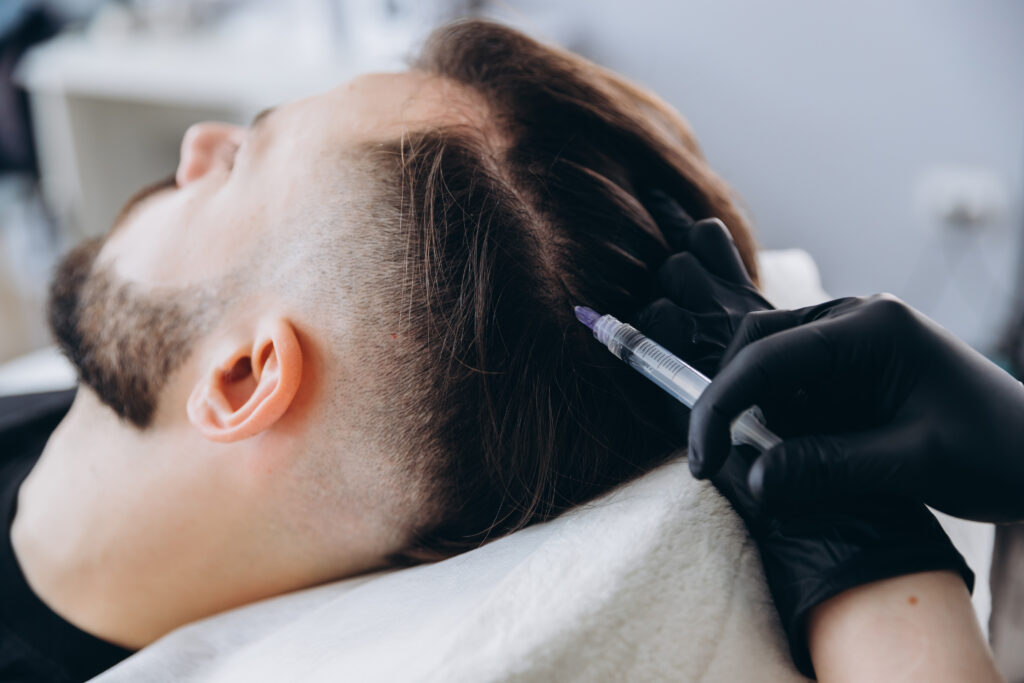
PRP hair treatment is widely used for hair loss because it uses the patient's own platelet-rich plasma to support hair follicle activity and improve scalp health. This non-surgical approach may help reduce hair thinning and encourage healthier hair growth in suitable patients. People interested in advanced hair restoration can explore علاج الشعر بالبلازما الغنية بالصفائح الدموية في دبي to learn more about this treatment option.
What Is PRP Hair Treatment?
PRP stands for Platelet-Rich Plasma. It is a hair restoration procedure that uses a concentrated portion of the patient's blood.
The process involves collecting a small blood sample and placing it in a centrifuge to separate platelet-rich plasma from other blood components. The prepared plasma is then injected into targeted areas of the scalp.
Platelets contain growth factors that play a role in tissue repair and cellular activity. In hair restoration, PRP aims to support existing hair follicles and improve their functioning.
Why Is PRP Hair Treatment Used for Hair Loss?
PRP is used for certain types of hair loss because it may help stimulate weakened hair follicles and improve hair density.
Some important reasons patients consider this treatment include:
- Supporting existing hair follicles.
- Helping improve hair thickness.
- Addressing early-stage hair thinning.
- Supporting scalp health.
- Offering a non-surgical treatment option.
- Using the patient's own biological material.
PRP is commonly considered for androgenetic alopecia, also known as pattern hair loss. Its effectiveness varies depending on the patient's condition and individual response.
How Does PRP Help Reduce Hair Loss?
PRP delivers concentrated platelets and their growth factors into selected scalp areas. These growth factors may influence biological processes involved in tissue repair and hair follicle activity.
The treatment generally follows these steps:
Blood Collection:
A medical professional collects a small blood sample from the patient using a sterile needle.
Plasma Preparation:
The blood sample is processed in a centrifuge to separate the platelet-rich portion.
Scalp Preparation:
The treatment area is cleaned, and local numbing may be applied to reduce discomfort.
PRP Injections:
The prepared plasma is carefully injected into targeted areas of the scalp to support existing follicles.
What Are the Main Benefits of PRP for Hair Loss?
PRP offers several potential advantages for individuals experiencing certain types of hair thinning.
Supports Hair Thickness:
PRP may help improve the thickness of existing hair strands in suitable patients.
Non-Surgical Treatment:
Unlike hair transplantation, PRP does not require surgical incisions or moving hair follicles from one scalp area to another.
Uses the Patient's Own Blood:
The procedure uses the patient's own plasma, reducing concerns associated with donor-derived biological materials.
Minimal Downtime:
Most patients can return to their regular activities relatively quickly. Mild tenderness or redness may occur temporarily.
Personalized Treatment Plans:
A specialist can adjust treatment according to hair loss severity, scalp condition, medical history, and individual goals.
Who Can Benefit From PRP Hair Treatment?
PRP may be appropriate for individuals experiencing early or moderate hair thinning, particularly when existing hair follicles remain active.
Potential candidates include:
- Men experiencing pattern hair loss.
- Women with reduced hair density.
- Individuals noticing gradual hair thinning.
- People looking for non-surgical hair restoration.
- Patients with suitable existing hair follicles.
However, PRP may not be effective for every type of hair loss. Individuals with complete bald areas caused by permanently inactive follicles may require alternative treatments.
How Many PRP Sessions Are Needed?
The number of sessions depends on the patient's hair loss condition and response to treatment.
Many treatment plans begin with an initial series of sessions spaced several weeks apart. Maintenance treatments may then be recommended to help preserve improvements.
A specialist evaluates scalp health, hair density, and treatment progress before suggesting an appropriate schedule.
Are There Any Side Effects of PRP Hair Treatment?
PRP is generally well tolerated when performed by trained medical professionals. However, temporary side effects can occur.
These may include:
- Mild scalp swelling.
- Redness around injection sites.
- Temporary tenderness.
- Minor bruising.
- Headache or discomfort.
Infection is a possible but uncommon complication. Proper hygiene, sterile equipment, and professional administration are essential.
How Can Patients Improve PRP Hair Treatment Results?
Following professional aftercare instructions can help patients maintain scalp health and support treatment outcomes.
Helpful recommendations include:
- Maintain a balanced and nutritious diet.
- Follow a suitable scalp care routine.
- Avoid excessive heat styling.
- Attend recommended follow-up appointments.
- Address underlying causes of hair loss.
- Follow the specialist's maintenance recommendations.
Patients should also discuss medications, nutritional deficiencies, and hormonal concerns with their healthcare professional when relevant.
Is PRP Better Than Other Hair Loss Treatments?
PRP is one of several available hair loss management options. Whether it is better depends on the underlying cause of hair loss and individual treatment goals.
Medications may help manage pattern hair loss, while hair transplantation can restore hair in selected areas using existing donor follicles. Low-level laser therapy is another non-surgical option.
In some cases, specialists may recommend combining PRP with other treatments to develop a more comprehensive hair restoration plan.
Frequently Asked Questions:
Why do people choose PRP for hair loss?
People choose PRP because it offers a non-surgical approach that may support existing hair follicles and improve hair density.
Can PRP stop hair loss permanently?
No. PRP does not permanently cure hair loss, and ongoing maintenance may be necessary.
Is PRP suitable for hereditary hair loss?
PRP may help certain patients with hereditary pattern hair loss, particularly during earlier stages.
Does PRP help improve hair thickness?
It may improve hair thickness in some patients by supporting existing follicles.
Can PRP be combined with other hair loss treatments?
Yes. Specialists may recommend combining PRP with suitable medications or other hair restoration approaches.
When should someone consider PRP for hair loss?
People experiencing persistent thinning or increased shedding should seek a professional assessment to identify the cause and discuss appropriate treatment options.
Conclusion:
PRP hair treatment is used for hair loss because it may support existing hair follicles, improve hair thickness, and help manage certain forms of hair thinning. Its non-surgical approach and use of the patient's own blood make it an appealing option for suitable candidates. However, results vary, and professional assessment is essential to determine whether PRP is appropriate for individual hair restoration needs.