
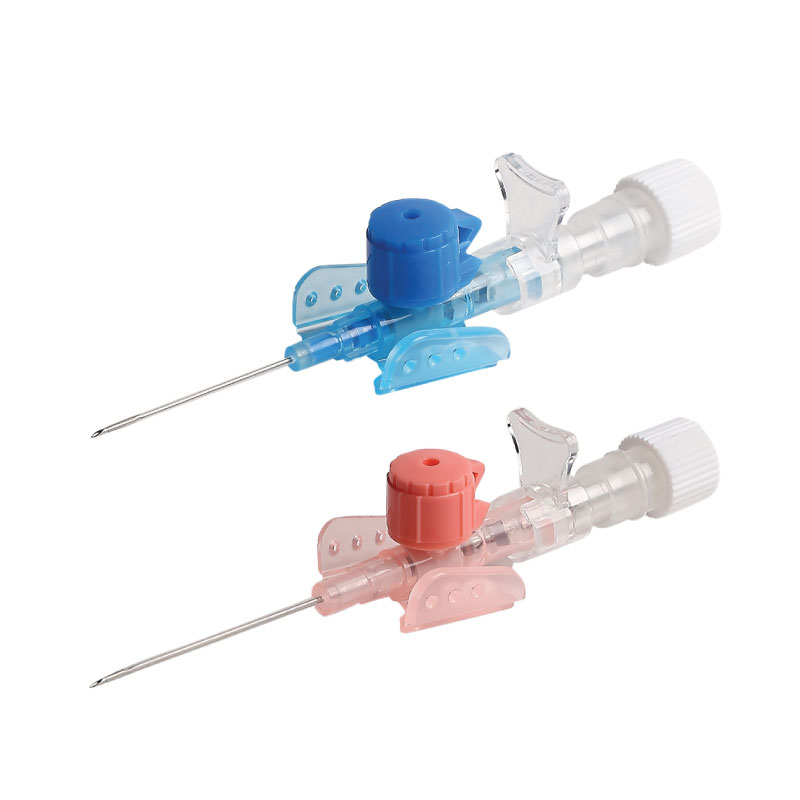
Intravenous (IV) cannulas are vital tools in medical treatment. They provide direct access to the bloodstream for the delivery of medications, fluids, and nutrients and for withdrawing blood. Given their critical role in healthcare, understanding the different types of IV cannulas, their specific uses, and their safety features is essential for any healthcare provider.
Their use is pervasive in hospitals and clinics, underscoring the importance of selecting the right type for each patient and ensuring their safe and effective use.
Types of IV Cannulas
IV cannulas come in various types, each designed for specific purposes and durations of use:
● Peripheral Cannulas
The most commonly used type, peripheral cannulas, are inserted into smaller veins, typically in the hand or arm. They are suitable for short-term treatments, such as during surgery or for brief hospital stays.
● Central Cannulas
Central cannulas are placed in large veins in the neck, chest, or groin for long-term treatment. They are ideal for patients who need complex medication regimens or nutritional supplements or who have limited peripheral venous access.
● Safety Cannulas
Designed to reduce the risk of needlestick injuries to healthcare workers, safety cannulas have a mechanism that either retracts the needle into the cannula's body or covers it after use.
Each type of cannula serves a distinct purpose, and the choice of cannula depends on the patient’s medical condition, the nature of the treatment, and the intended duration of the line.
Safety Cannulas
Safety cannulas represent a significant advancement in medical technology, designed with built-in safety mechanisms to prevent needlestick injuries, a common and serious risk for healthcare professionals. These devices either retract the needle into a sheath following insertion or allow the needle to be manually adjusted to minimise exposure. This development not only enhances the safety of medical personnel but also contributes to a safer environment for patient care.
Choosing the Right IV Cannula
Selecting the appropriate IV cannula involves several considerations:
● Patient Condition
The patient’s overall health, vein condition (such as the presence of fragile or rolling veins), and history of previous cannula use should guide the choice.
● Purpose of Infusion
The type of substance being infused (medication, blood product, nutritional fluid) and the required flow rate influence the cannula size and type selection.
● Duration of Use
A peripheral cannula is typically sufficient for short-term use, while long-term treatments may require a central line for stability and reduced infection risk.
Final Thoughts
Understanding the different types of IV cannulas and their appropriate uses is vital for ensuring effective patient care. Safety cannulas add an important layer of protection for healthcare workers, helping to prevent needlestick injuries. By following best practices for insertion and maintenance, healthcare providers can enhance treatment efficacy and patient safety, underscoring the critical role these devices play in modern medical treatment.